The reform package, submitted to the National Assembly where it is expected to pass, authorizes state-owned enterprises to determine their own scale, wage structures, and profit utilization without state hindrance. For the first time, these entities will have the authority to engage in import and export activities, enter into contracts generating foreign currency, and retain a portion of those earnings to expand production. Díaz-Canel stated that enterprises will be able to form partnerships with any economic actor and decide on their own clients and suppliers, marking a fundamental shift in how the state interacts with commercial activity.
The changes extend to the financial sector, allowing private banks to enter a market previously dominated by the state, and potentially paving the way for private real estate development and the transformation of state-owned businesses into ventures with equity stakes. Díaz-Canel emphasized that the government could not continue operating under the current constraints, telling reporters: “These are times when change is necessary.” He acknowledged that while the U.S. embargo and recent pressure campaigns are significant factors, domestic issues—specifically “slowness, bureaucracy and norms that impede those who want to produce”—have also contributed to the economic stagnation.
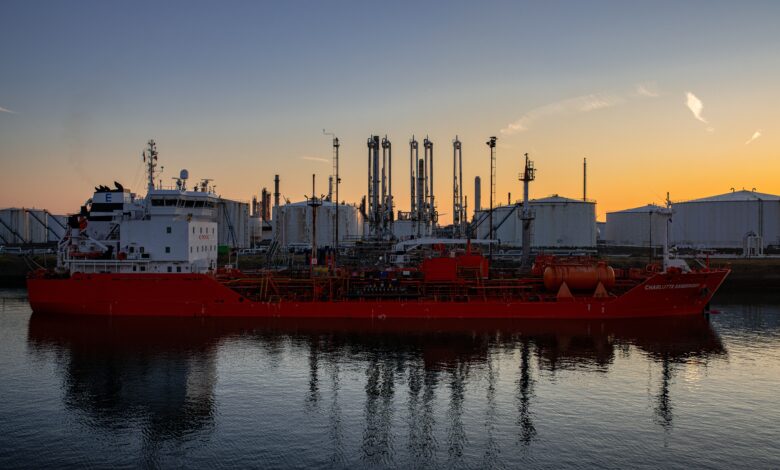
The immediate catalyst for these reforms is a critical energy shortage. Since January, the administration of U.S. President Donald Trump has blocked fuel deliveries from Venezuela, Cuba’s primary source of foreign oil, and imposed tariffs on other nations shipping oil to the island. This blockade has stripped Cuba of nearly $8 billion in revenue between March 2024 and February 2025, according to state assessments, and has forced the government to implement austere measures, including halting parts of the public transportation system and moving classes online. Prime Minister Manuel Marrero Cruz identified food production and power grid stability as the immediate priorities, amidst persistent outages and fuel interruptions.
Despite the official narrative, international observers and economists remain cautious about the scope and durability of these changes. The reforms were announced with limited detail, and it is unclear when specific regulations will be implemented. Díaz-Canel warned that some opposition from hardliners within the Communist Party, which has governed since 1965, is likely. The party has historically resisted deep market reforms out of fear of losing political control. Experts noted that while the government is responding to existential pressure, the transition from announced policy to implemented economic reality remains a significant hurdle.
International pressure has also mounted from other quarters. On Thursday, the European Union passed a resolution condemning what it described as “systematic repression” by the Cuban government, calling for sanctions against Díaz-Canel and the leadership of Grupo de Administración Empresarial SA, a military-linked business conglomerate. The EU called for “profound economic and political change,” aligning with the broader diplomatic isolation Cuba faces.
The economic implications of the reforms are profound but uncertain. If implemented effectively, the autonomy granted to state enterprises could improve efficiency and productivity, while the entry of private banks and foreign investment could inject needed liquidity into the economy. However, the continued U.S. oil blockade poses a structural risk that purely domestic reforms may not fully mitigate. The island’s energy crisis is expected to persist, with the U.S. Treasury offering only slight easing of restrictions on the sale of Venezuelan oil to Cuba last week.
As Cuba navigates this dual challenge of internal restructuring and external embargo, the focus will turn to the execution of the new policies. The next critical step is the formal passage of the package by the National Assembly, followed by the establishment of regulatory frameworks that define the boundaries of the new private and state autonomy. The success of these reforms will depend not only on political will within Havana but also on the extent to which the U.S. maintains its pressure campaign and how the global community responds to the island’s opening.