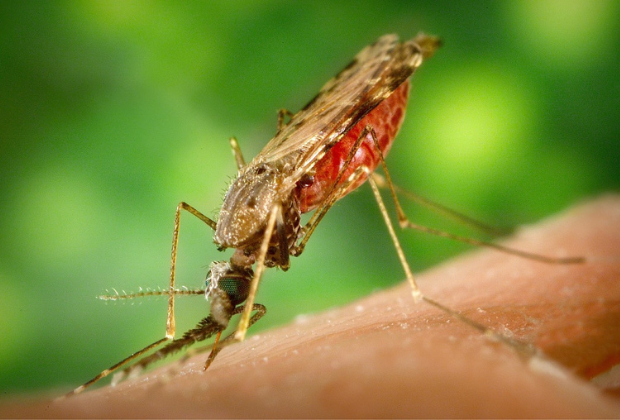
Malaria transmission in South Africa is geographically constrained. It is mainly confined to the low-altitude areas of KwaZulu-Natal, Limpopo, and Mpumalanga, where the specific environmental conditions support the survival of the malaria-transmitting Anopheles mosquito. Provinces such as Gauteng are not considered malaria-endemic because the mosquito vectors responsible for spreading the disease do not occur there. Consequently, individuals infected in Gauteng cannot transmit the disease to others. The 414 cases recorded in Gauteng are predominantly “imported,” meaning the infections were acquired in the malaria-endemic provinces of Limpopo, Mpumalanga, and KwaZulu-Natal, or through international travel to other endemic regions, and were diagnosed only after individuals returned to Gauteng.
The primary driver of this surge is the intersection of climatic events and human mobility. The World Health Organization (WHO) reported in February that South Africa faced a “very high risk” of malaria due to recent floods in Limpopo and Mpumalanga. Prof. Tiaan de Jager and Dr. Taneshka Kruger from the University of Pretoria warned in February that the floods created the ideal environment for Anopheles mosquitoes to breed. The Gauteng Department of Health attributes the rise in cases largely to holiday travel to high-risk areas, including Limpopo, Mpumalanga, Mozambique, Zimbabwe, and Malawi, which increased exposure to malaria-carrying mosquitoes. The latest Malaria risk map from the National Institute of Communicable Diseases (NICD) confirms that the highest risk of infection remains situated in Limpopo and Mpumalanga.
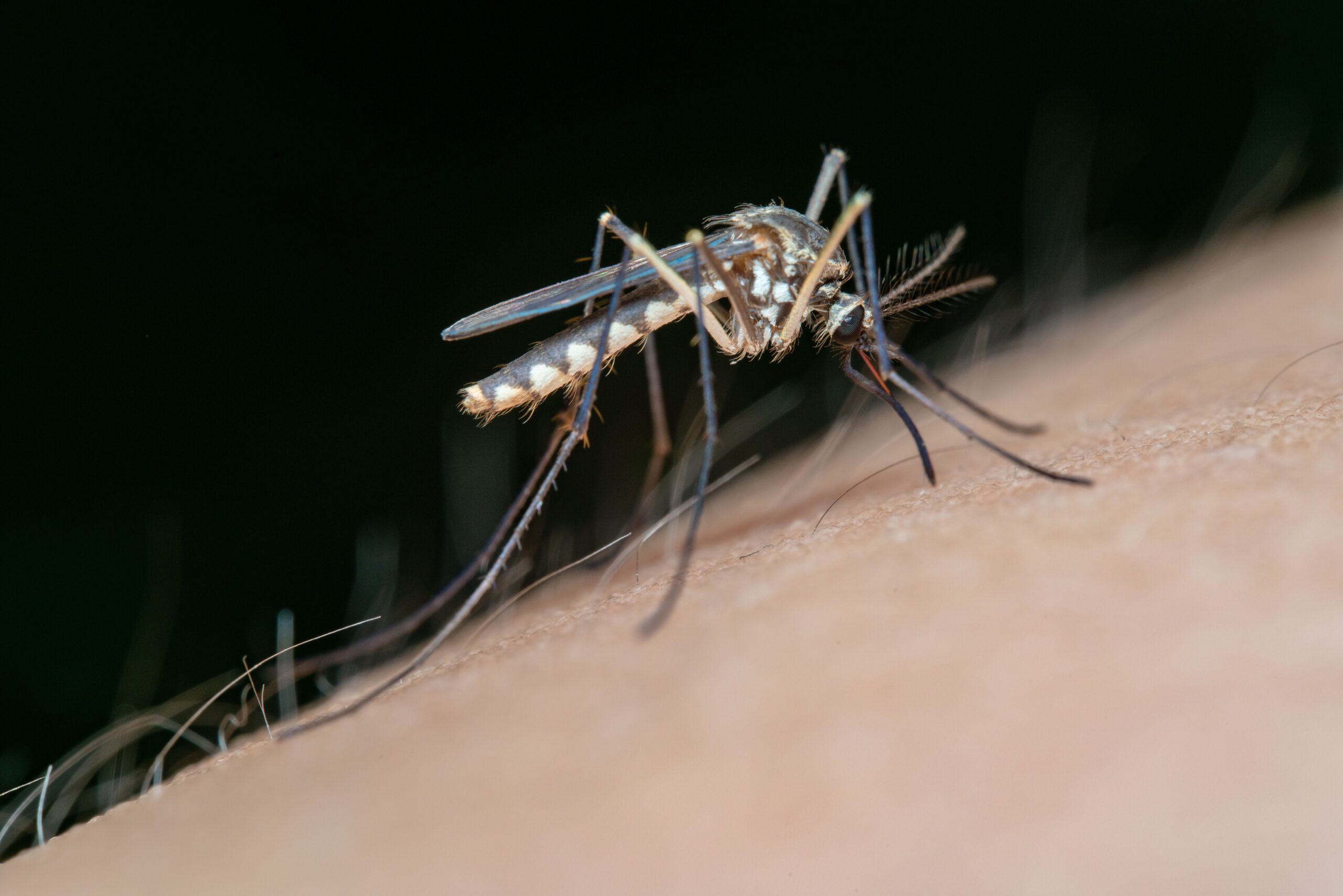
The impact of the flooding extended beyond mosquito breeding sites. The WHO noted that flood-related access constraints may delay diagnosis and treatment, thereby increasing the risk of severe disease. The scale of the environmental disruption was significant: the January floods damaged 78 schools, 138 health facilities, and 59 farms, prompting the government to declare a State of National Disaster. In neighboring endemic countries, a rise in infections has also been observed. For instance, Mpumalanga alone reported more than 300 cases in January 2026. These conditions highlight the importance of heightened awareness, especially during and after the rainy season, as the ecological conditions favoring transmission persist.
Malaria remains both preventable and treatable, but the window for intervention is narrow. The disease can progress rapidly to severe illness and death if diagnosis and treatment are delayed. Clinical presentation often begins with flu-like symptoms, including fever, chills, headache, body aches, and fatigue. Because these symptoms are non-specific and can mimic other common illnesses, the history of travel is a critical diagnostic clue. Health authorities urge anyone who develops these symptoms after recent travel to a malaria-endemic area—whether within South Africa or elsewhere in Africa—to seek medical attention immediately and request a malaria test.
Preventive measures are essential for travelers to these high-risk destinations. The use of appropriate malaria chemoprophylaxis is recommended for moderate- to high-risk areas. However, it is vital to recognize that no prophylactic is 100% effective. Therefore, even individuals who have taken preventive medication must remain vigilant. The failure of prophylaxis is not uncommon, and early diagnosis remains the most effective strategy to save lives. The Gauteng Health Department has issued an alert urging residents to be vigilant, emphasizing that awareness is the first step in preventing illness, even for those who do not live in an endemic area.
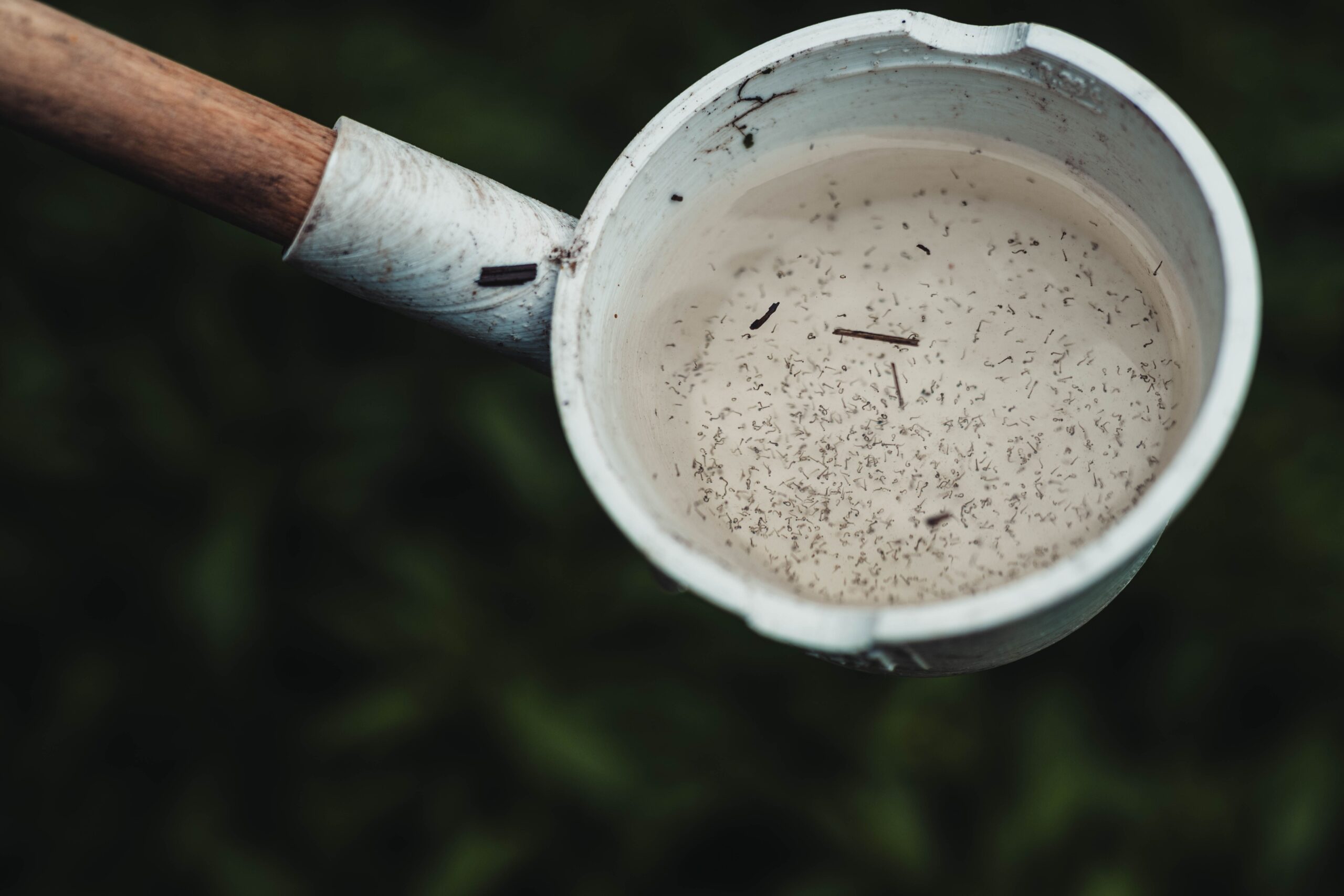
The current situation underscores the fragility of malaria control efforts in the region. While the specific cases in Gauteng are a result of imported infections, the underlying cause is the expanded transmission potential in neighboring provinces due to climate-driven flooding. The damage to 138 health facilities in the affected regions further complicates the ability to provide timely care, potentially allowing mild cases to deteriorate into severe disease before patients can access treatment. The data from the first three months of 2026 serves as a clear indicator that the seasonal rise in malaria, amplified by adverse weather events, requires a robust public health response that combines surveillance, education, and rapid clinical action.
As the rainy season continues, the focus shifts to sustained monitoring and public education. The next critical development will be the continued surveillance of case numbers in both endemic and non-endemic provinces to determine the duration of the transmission season. For the individuals affected by this surge, the outcome hinges on the speed of recognition and response. The 11 deaths in Gauteng are a sobering reminder that while the disease is treatable, delay is fatal. The integration of climate data with public health surveillance, as demonstrated by the warnings from the University of Pretoria and the WHO, is now a necessary component of malaria management in southern Africa. The challenge remains to ensure that the gap between symptom onset and medical care is narrowed, particularly in areas where infrastructure has been compromised by flooding.