

The Kenyan outbreak began on October 6 with the identification of the index case, a Kenyan man who had recently returned from the DRC. Subsequent surveillance identified eight additional confirmed cases, bringing the total to nine. The health ministry reported that all confirmed cases remained within a single transmission cluster, with no evidence of community transmission outside this group. This contained spread was attributed to rapid and rigorous public health interventions. Through strengthened surveillance and contact tracing, authorities successfully identified and monitored 135 contacts linked to the index case. The outcome for the nine patients was mixed: seven recovered, while two passed away.
The final patient discharged from the Nairobi hospital had 11 identified contacts. According to Minister Duale, these individuals are currently undergoing a 21-day quarantine period. This period is a standard epidemiological precaution based on the incubation window of the Ebola virus. If no new symptoms or cases are detected among these contacts by December 23, Kenya will officially be declared Ebola-free. This timeline reflects the careful balance between declaring victory and ensuring that the risk of undetected transmission has genuinely passed.
While Kenya moves toward containment, the DRC remains at the epicenter of the global Ebola challenge. On the same day Kenya announced its final discharge, the DRC reported that the current outbreak had reached 11,000 cases. This outbreak, which began in May, has become the deadliest in the country’s history, claiming 5,387 lives so far. The scale of the DRC outbreak underscores the persistent vulnerability of regions with limited healthcare infrastructure and the severe lethality of the virus when it spreads within communities.
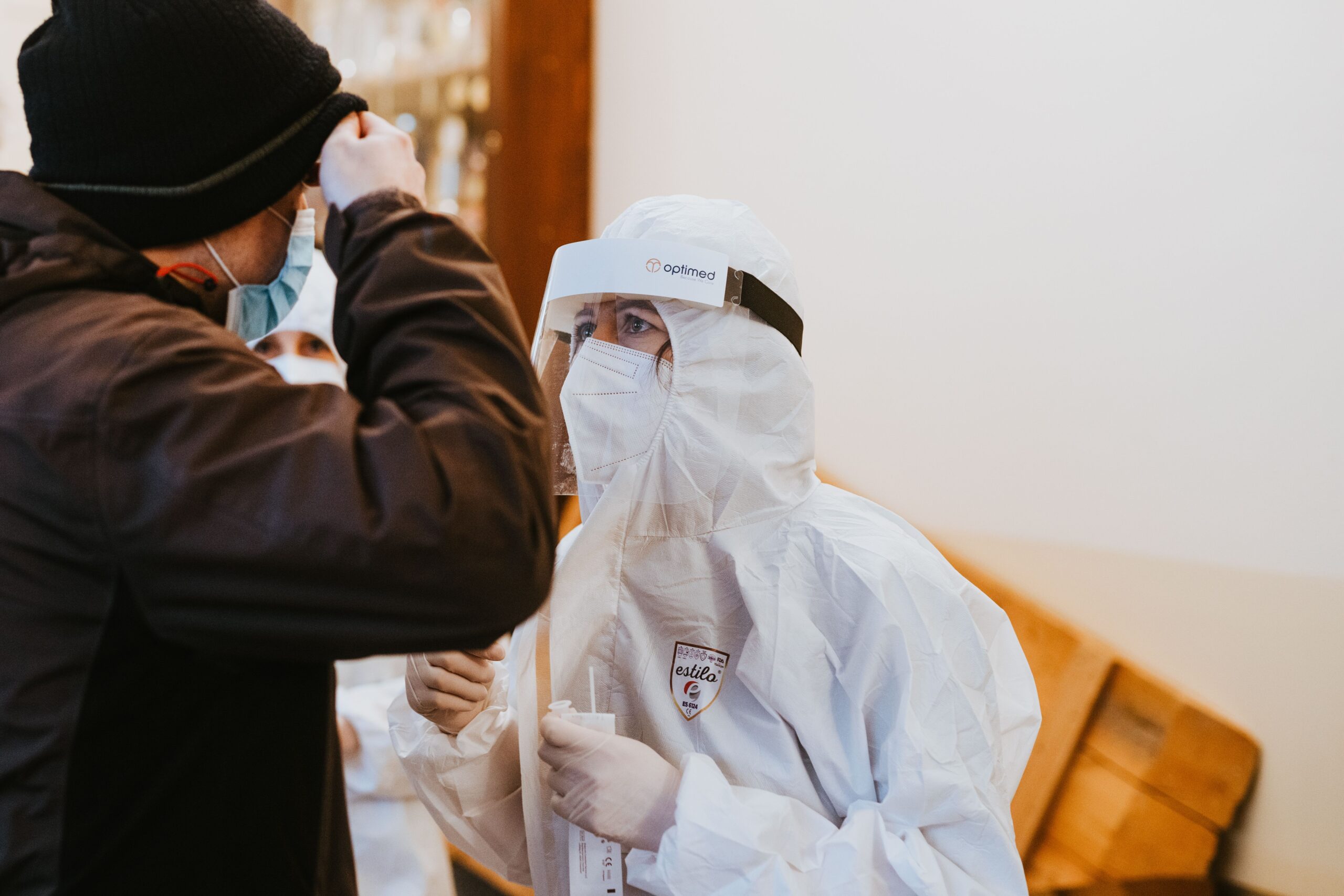
The contrast between the Kenyan and Congolese situations highlights the critical role of early detection and contact tracing in preventing widespread community transmission. In Kenya, the ability to trace all 135 contacts of the index case and monitor them effectively prevented the outbreak from becoming a larger epidemic. The restriction of cases to a single cluster suggests that the health system was able to contain the virus before it could establish deep roots in the general population. This success, however, was built on the foundation of international cooperation and robust local surveillance mechanisms that were activated immediately upon the arrival of the index case.
The global significance of these developments extends beyond East Africa. The virus has shown its ability to spread through travel, as evidenced by the initial Kenyan case and a separate incident in Nigeria. In Nigeria, one case was reported from a patient who had recently traveled from Uganda, a country that had previously experienced a small cluster of the disease. This pattern reinforces the need for international vigilance and cross-border health data sharing. The movement of the virus across borders demonstrates that Ebola is not merely a local concern but a global health security issue that requires coordinated responses.
For clinicians and public health officials, the Kenyan experience offers a case study in effective outbreak management. The success was not due to a new treatment, as there is currently no specific cure for Ebola, but rather to the fundamental principles of infection control: isolation, contact tracing, and monitoring. The two fatalities in Kenya serve as a reminder of the virus’s severity, even in a well-resourced response setting. The recovery of the seven other patients highlights the importance of supportive care, which can significantly improve survival rates when administered promptly.
As Kenya awaits the December 23 deadline, the focus shifts to maintaining the gains made during the acute phase of the outbreak. The 11 contacts of the final patient are under close observation, and any deviation from their expected health status would trigger an immediate response. This period of watchful waiting is crucial for understanding the long-term implications of the outbreak. It also provides a window for health systems to assess their readiness for future threats, ensuring that the surveillance networks and contact tracing protocols remain robust and functional.

The ongoing crisis in the DRC continues to demand significant international attention and resources. With over 5,000 deaths, the human toll is immense, and the strain on local healthcare systems is severe. The comparison between the two countries’ experiences underscores the complexity of managing Ebola in different contexts. Kenya’s success in containing the outbreak to a small number of cases does not diminish the gravity of the situation in the DRC, where the virus has spread widely and deeply. Both scenarios require sustained commitment to public health measures, but the scale of the response must be tailored to the specific epidemiological situation.
In the coming weeks, the global health community will be watching both Kenya and the DRC closely. For Kenya, the declaration of being Ebola-free would be a testament to the effectiveness of its health system and its ability to respond to emerging infectious diseases. For the DRC, the priority remains on reducing the number of new cases and saving lives through continued treatment and prevention efforts. The interplay between these two developments illustrates the dynamic nature of global health challenges, where progress in one area can coexist with crisis in another.
As the final contacts in Kenya complete their quarantine, the country will prepare to transition from a state of emergency to one of normalized health operations. This transition will involve reviewing the lessons learned from the outbreak and integrating them into future preparedness plans. The experience of tracing 135 contacts and managing nine cases provides valuable data for improving future responses. Meanwhile, the DRC continues to battle the deadliest outbreak in its history, a reminder that the fight against Ebola is far from over. The global community must remain vigilant, supporting both the containment efforts in Kenya and the ongoing crisis response in the DRC to ensure that no region is left behind in the struggle against this deadly virus.




One Comment