The most detailed incident in the provided records occurred on March 24, 2019, when the Aseem, a 155,000 cubic meter Maltese-flagged LNG carrier majority-owned by Shipping Corporation of India (SCI) and chartered to Petronet LNG, collided with the Shinyo Ocean, a 281,400 deadweight ton (dwt) Hong Kong-flagged Very Large Crude Carrier (VLCC). According to Automatic Identification System (AIS) data and subsequent reports, the collision took place at approximately 20:00 UTC while both vessels were maneuvering within the anchorage. The impact resulted in significant damage to the Shinyo Ocean, with photos showing a major gash in the portside hull near the bow. At the time, no immediate pollution was reported, and both vessels remained anchored off Fujairah. The Aseem was en route to Qatargas’ Ras Laffan LNG terminal. The cause of this specific accident was stated to be under investigation, distinct from later allegations of state-sponsored interference.
Separately, in May 2019, a different set of events heightened tensions in the region. On May 12, 2019, four oil tankers—including two Saudi, one Norwegian, and one Emirati vessel—were reported damaged while anchored off Fujairah. Saudi and U.S. officials characterized these as “sabotage” attacks. A U.S. military investigation team provided an initial assessment to CBS News that Iran or Iranian-backed proxies were responsible, citing evidence that explosives were used to blow holes in the ships. However, the details remained murky; images confirmed visible damage to only one of the four vessels. President Donald Trump warned Iran of the consequences, stating, “It’s going to be a bad problem for Iran if something happens,” while Iranian Foreign Minister Javad Zarif accused the U.S. of unnecessary escalation. The U.S. Navy’s 5th Fleet, based in Fujairah, declined to comment, and the incident occurred shortly after the U.S. threatened to withdraw from the Iran nuclear deal and imposed new sanctions.
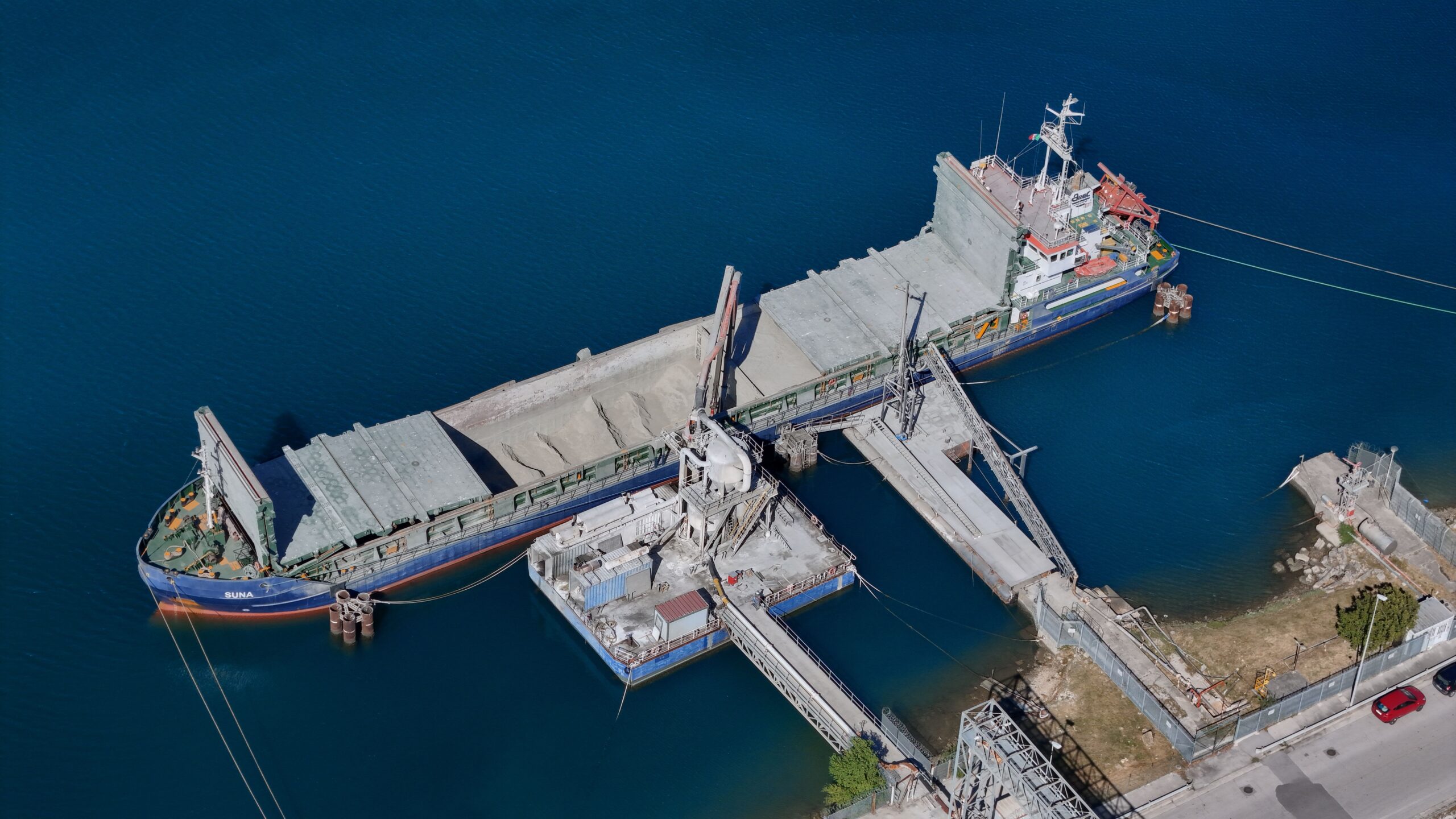
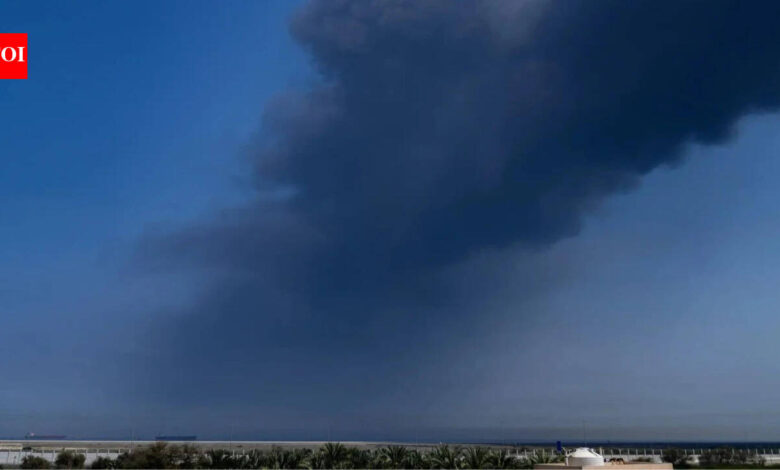
More recent reports indicate that the security environment off Fujairah remains volatile. One source describes a “close call” involving an Indian-flagged crude tanker, the Jag Laadki, which was loading crude at Fujairah when the port came under attack on a Saturday. The vessel reportedly sailed out safely the following day. In a separate incident reported on May 14 (date year unspecified but contextually linked to regional tensions), the United Kingdom Maritime Trade Operations (UKMTO) reported an incident approximately 38 nautical miles northeast of Fujairah. Initial media reports suggested an explosion from a drone attack, but the UKMTO clarified that a vessel had been seized while attempting to berth and was subsequently heading toward Iranian territorial waters. No further details on this seizure were released.
These incidents collectively illustrate the dual threats facing maritime traffic in the Persian Gulf: accidental mechanical failures and deliberate geopolitical aggression. The collision between the Aseem and the Shinyo Ocean represents a standard maritime safety risk, where maneuvering errors in congested anchorage zones can lead to significant hull damage and potential environmental spills, though no spill was confirmed in that specific 2019 case. Conversely, the alleged sabotage of the four tankers in 2019 and the recent seizure of a vessel near Fujairah point to intentional disruptions driven by interstate conflict. The distinction is critical for policy and insurance: one is a matter of operational safety and liability, while the other is a matter of national security and war risk.
The geographic concentration of these events in and around Fujairah is significant. As a major hub for crude oil and LNG transit, the port serves as a critical node in global energy logistics. The presence of the U.S. Navy’s 5th Fleet in Fujairah further entangles local maritime operations with broader military strategy. For shipping companies, the implication is a heightened premium on risk assessment. Vessels must navigate not only the physical hazards of dense traffic and complex maneuvers but also the unpredictable threat of state-adjacent actors. The Indian vessel Jag Laadki’s safe departure after a port attack demonstrates the resilience of commercial operators but also highlights the precariousness of their position.
Evidence for the cause of these incidents varies in strength. The collision between the Aseem and Shinyo Ocean is supported by AIS data and visual evidence of hull damage, with the cause officially under investigation at the time of reporting. The 2019 sabotage claims rely on official statements from U.S. and Saudi authorities and initial military assessments, but have not been accompanied by independent forensic verification of the explosives used on all four ships. The recent seizure incident is documented by the UKMTO, a trusted source for maritime security, but lacks detailed context regarding the seizing party or the legal basis for the action.
As of the latest reports, the environmental impact of these specific incidents remains limited to the immediate physical damage to vessels, with no confirmed large-scale oil spills mentioned in the provided sources. However, the risk of such spills remains a constant concern in a region where tankers carry millions of barrels of crude and LNG. The ongoing investigations into the causes of these incidents—whether mechanical, negligent, or malicious—will determine future liability and safety protocols for the region. The next critical step for the international community is the completion of independent investigations into the 2019 sabotage and the recent seizure, which could clarify the extent of state involvement in disrupting commercial shipping and shape future maritime security policies in the Gulf.