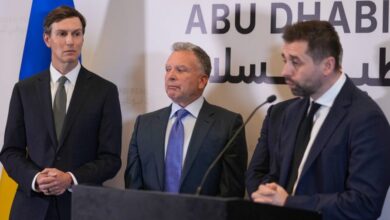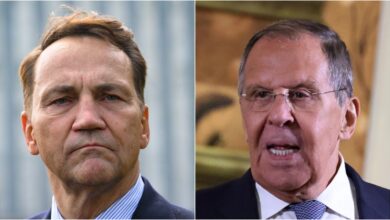
The talks, which marked the first face-to-face trilateral meeting since February, were framed by the Trump administration as a renewed push to end the war. Steve Witkoff and Kushner, serving as key mediators, stated that they had observed “some openings” during the two-day process. However, neither side presented the kind of significant compromise necessary to clinch a peace agreement. Davyd Arakhamia, a member of Ukraine’s negotiating team, described the round as “one of the hardest,” noting that the Russian delegation appeared to operate under “very strict directives” that made it difficult to soften the tone of the discussions.
The central friction point remains the architecture of Europe’s post-war security. For Kyiv, the priority is securing robust reassurances that allies will come to its aid if it faces another attack, a critical demand given that Ukraine is not a member of NATO. Conversely, Moscow seeks to limit the influence of NATO in Eastern Europe, a concern rooted in the alliance’s eastward expansion. Medinsky argued that the world needed a “new” and “fair” security system, while Kushner suggested the U.S. hoped to create a framework between Ukraine, Russia, and Europe that could “secure lasting peace.” Yet, Medinsky admitted on Wednesday that while the sides reached an understanding in some areas, they remained divided in others, refusing to elaborate on the specifics of these disagreements.
Territorial questions proved equally intractable. Medinsky reiterated Moscow’s maximalist position, stating that Russia holds a historical claim to parts of Ukraine and remains determined to seize more territory. “As for territorial issues, every inch of our land will be returned to Russia. One way or another,” he said. This stance is at odds with Kyiv’s position, which has consistently rejected any recognition of Russian sovereignty over occupied Ukrainian land. The gap between these positions was further highlighted by the atmosphere in Abu Dhabi, where the delegations had been meeting in a context of escalating violence. Since the summer, both Russia and Ukraine have dramatically increased attacks on each other’s territory, inflicting significant economic damage and a growing human toll.
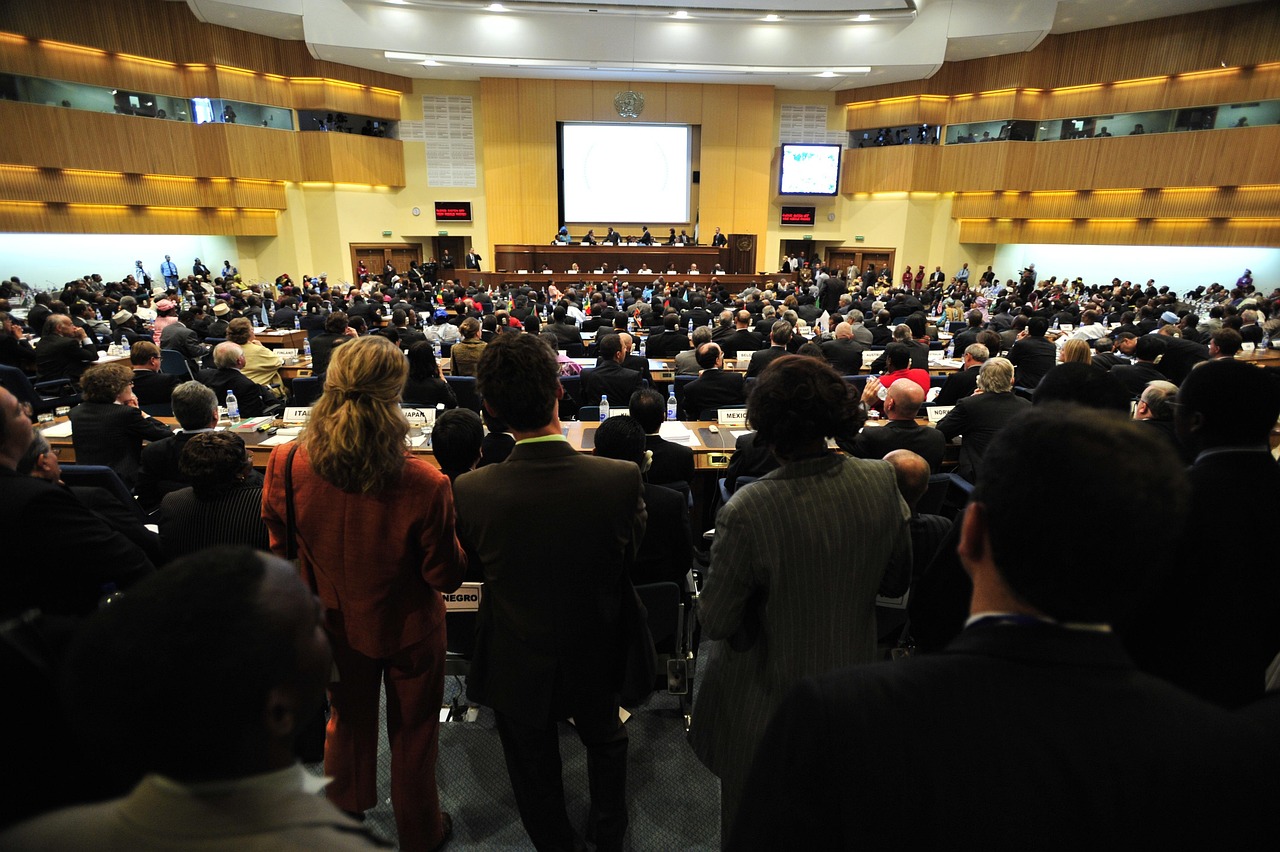
The role of European nations in these negotiations added another layer of complexity. Representatives from Britain, NATO, and various EU countries were present in Abu Dhabi, holding separate discussions with the Ukrainian and U.S. delegations. However, Medinsky dismissed their involvement, questioning their status in the talks and arguing that Europe’s military support for Ukraine prevented it from being a serious partner in peace-building. “We don’t understand what status they have here… we don’t understand where we can agree with them on anything,” he said. The Kremlin, with whom the EU does not officially communicate, stated its delegation had not had any contact with the European representatives. This dismissal reflects a broader tension: Ukraine and European allies are concerned about the current U.S. administration’s commitment to European security and its perceived softening toward the Kremlin, while Moscow views European participation as an obstruction rather than a contribution.
Despite the lack of a headline breakthrough, the diplomatic momentum has not stalled. Arakhamia expressed that he felt “good momentum” from the discussions and urged for a second round of talks to be organized as soon as possible. The immediate next step in this diplomatic sequence is already in motion. On Thursday, Witkoff and Kushner are scheduled to travel to Moscow to meet with President Vladimir Putin, and subsequently to Dublin to speak with Volodymyr Zelensky. These bilateral meetings aim to test whether the “openings” identified in Abu Dhabi can be translated into concrete policy shifts.
The prisoner exchange, while significant, serves more as a confidence-building measure than a solution to the war’s core issues. It allows both sides to demonstrate willingness to engage without compromising their fundamental strategic goals. For Moscow, it alleviates some pressure regarding the welfare of its soldiers; for Kyiv, it brings home troops and signals to its population that the diplomatic track is active. Yet, as the U.S. envoys prepare to present their findings to the two presidents, the fundamental obstacles—security guarantees, territorial integrity, and the definition of a post-war order—remain unresolved. The next few days will determine whether the “openings” cited by Washington represent a genuine path toward de-escalation or merely a pause in a conflict that continues to consume resources and lives on both sides of the front line.