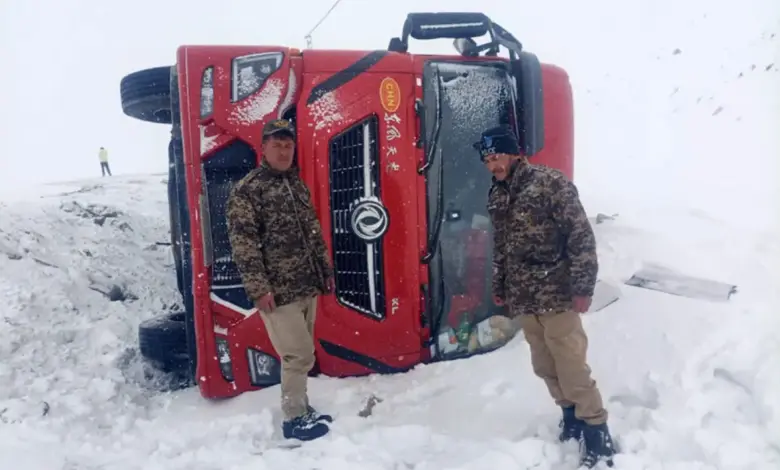
The disruption occurred as the National Disaster Management Authority (NDMA) had warned, having issued a weather advisory on November 10 forecasting rain and snowfall across Gilgit-Baltistan and other northern areas through November 14. Despite these forecasts, the intensity of the snowfall from Thursday night into Friday overwhelmed the road conditions. The accumulated snow, reported to be approximately four inches deep at Khunjerab Top, rendered the road hazardous. Three cargo containers skidded off the highway, and a Chinese container truck overturned after losing control on the ice-covered surface. In both instances, the drivers were rescued by local travellers and Khunjerab Security Police personnel, emerging from the incidents unhurt.
The situation highlighted a stark operational disparity between the two sides of the border. Gilgit-Baltistan Minister for Tourism Naiknaam Karim, who was among the stranded passengers, noted in a video message that while snowfall had affected both the Pakistani and Chinese sides, the road on the Chinese side had been cleared for traffic. In contrast, the Pakistani side remained covered in snow and ice. Karim expressed concern over the lack of facilities and machinery on the Pakistani side to clear the snow, appealing to the Frontier Works Organisation (FWO) to immediately deploy equipment to prevent further accidents. He noted that several vehicles, including two or three cars, had already skidded due to the slippery conditions.
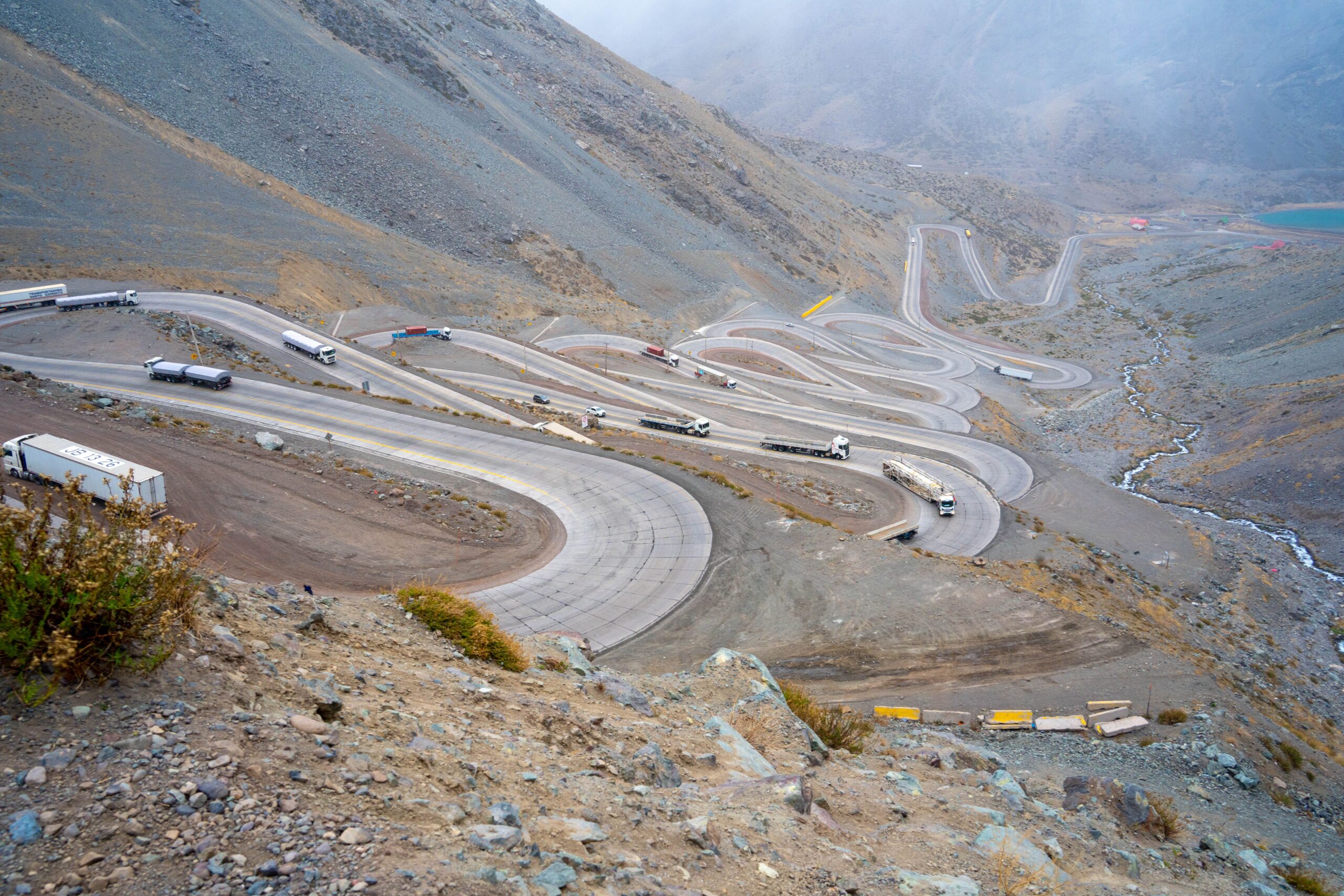
For the stranded travellers, the pause in traffic posed significant health risks beyond the inconvenience of delay. At over 15,000 feet, reduced oxygen availability can cause breathing difficulties and increase the risk of altitude-related illness. Prolonged exposure to low temperatures compounding these factors creates a precarious situation. Stranded passengers complained that the government and relevant organizations had not yet started clearing the road, leading to calls for immediate support including medical assistance, food, and shelter.
The weather events did not isolate the Khunjerab corridor. The same heavy rain and snowfall that blocked the border pass caused a landslide at Hopper Pari on Thursday night, completely blocking the Ghizer-Shandur Road to all types of traffic. Earlier disruptions from heavy snowfall had also impacted transport in upper areas of Gilgit, Diamer, Ghizer, Astore, Skardu, Hunza, and Nagar, with the Babusar Pass and Shimshal Valley roads also affected by snowfall and landslides.
In response to the accumulating hazards, GB police officials issued strict advisories urging tourists and travellers to avoid unnecessary journeys and refrain from travelling towards Khunjerab until conditions improved. Motorists were directed to contact the police helpline at 15 before setting out to obtain updated road information. The National Disaster Management Authority provided specific safety guidance for those already stranded, advising them to remain inside their vehicles, keep exhaust pipes clear of snow, and operate heaters intermittently with adequate ventilation to prevent carbon monoxide poisoning.
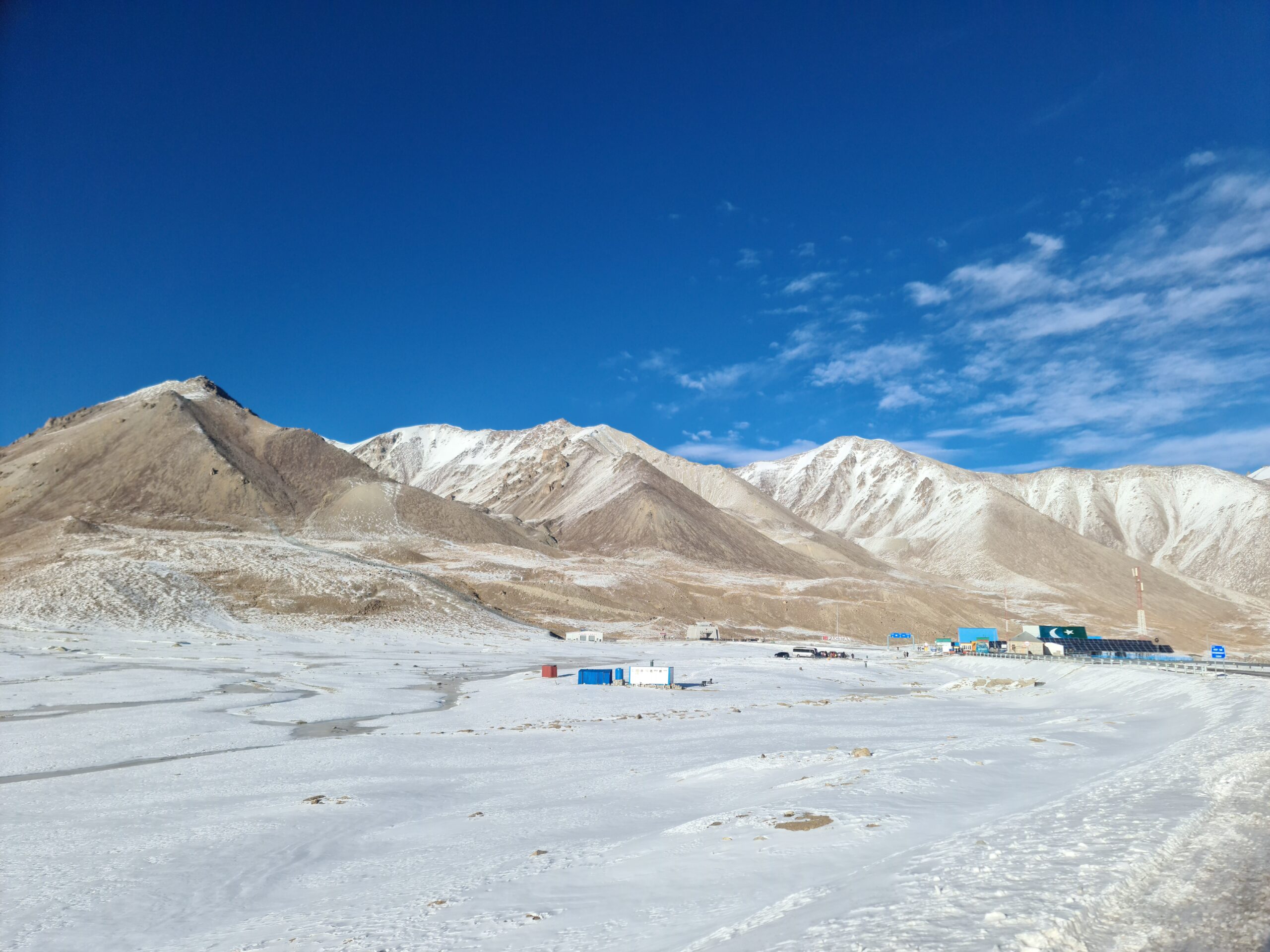
The incident underscores the vulnerability of high-altitude infrastructure in Gilgit-Baltistan to seasonal weather patterns. While the rescue operations succeeded in saving lives from imminent mechanical danger, the broader issue of rapid response capability remains unresolved. The reliance on local travellers and security police for rescue, rather than dedicated rapid-response machinery, suggests a gap in preparedness for extreme weather events on this critical trade and tourism route.
As of the latest reports, the restoration of safe traffic movement along the Karakoram Highway depends on two factors: the improvement of weather conditions and the effective deployment of snow-clearance operations. The NDMA continues to advise caution, while the FWO faces pressure to address the operational limitations that left the highway impassable while adjacent sections were cleared. For now, the passengers and cargo containers remain halted at the pass, waiting for the machinery that has yet to arrive.