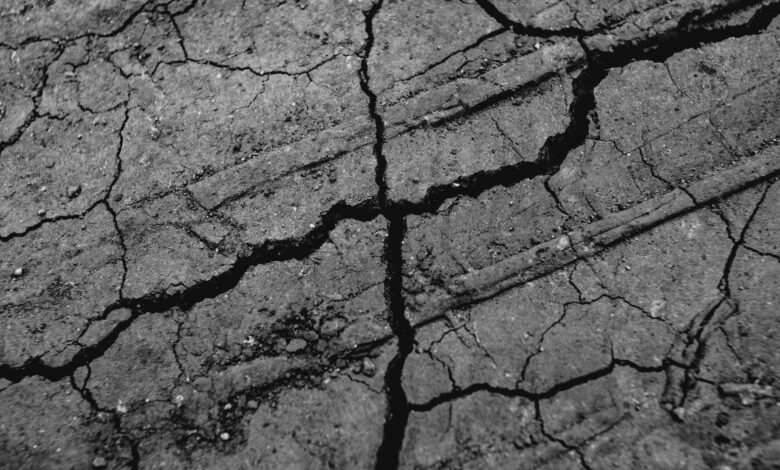
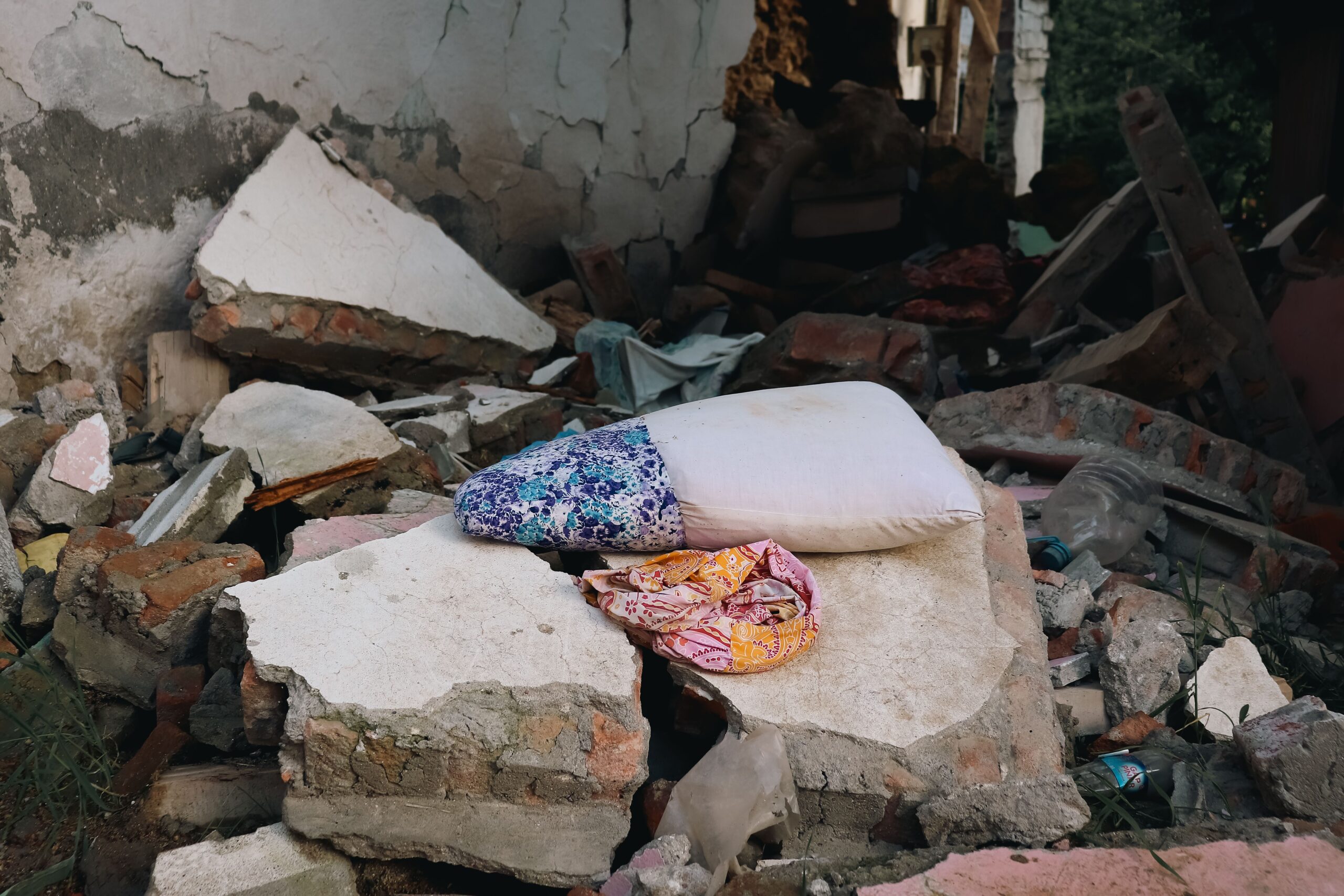
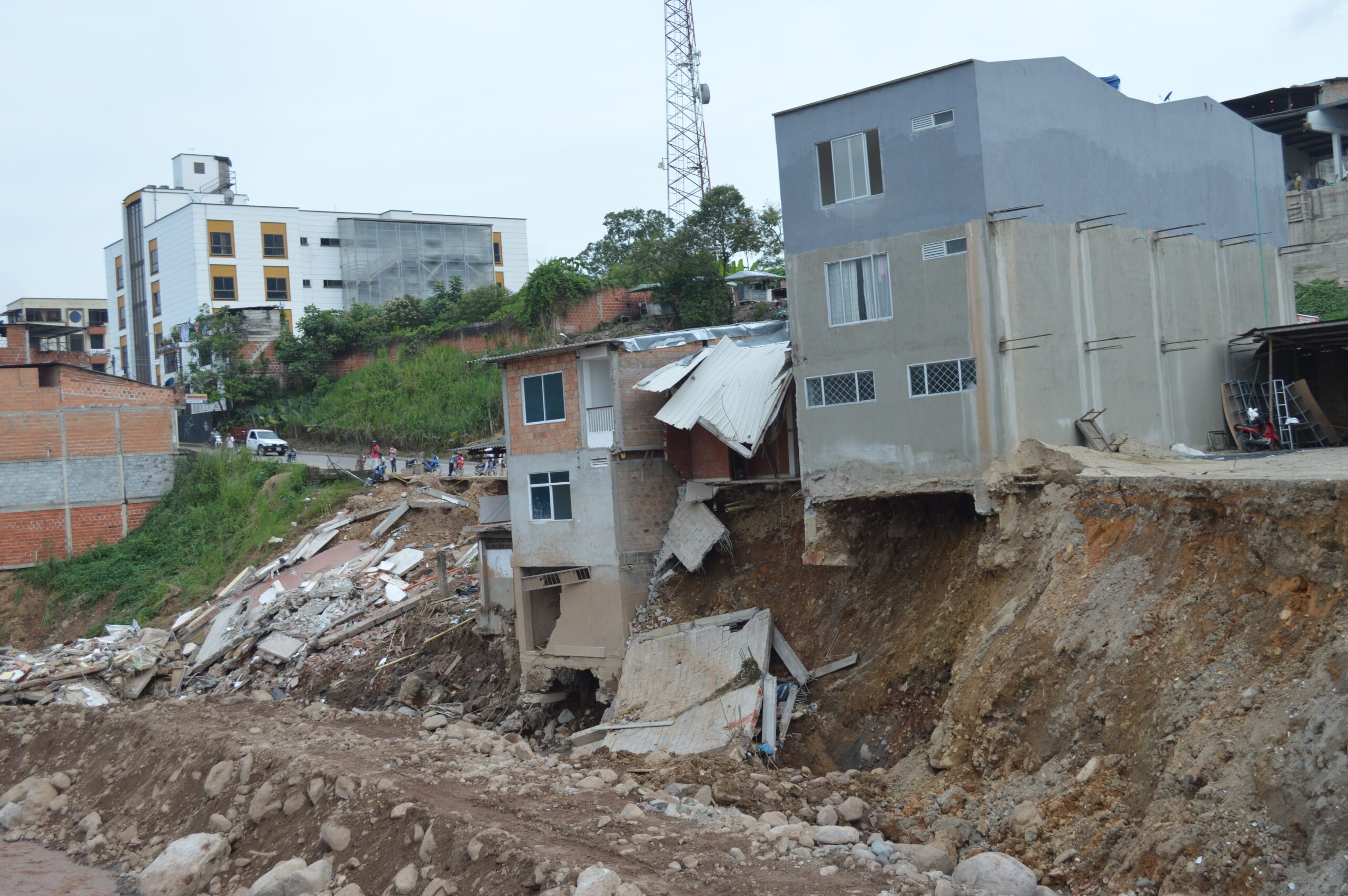
The tremors have resulted in reported damage to residential and administrative buildings, cracks in structures, and three minor injuries. In response, authorities have temporarily closed several facilities, including the UNESCO World Heritage Alhambra complex, local museums, and sports facilities. The city’s metro system has reduced train speeds to 19 km/h as a precaution, and some hotels were evacuated. However, operations at Granada Federico Garcia Lorca Airport have remained unaffected, with flights running on schedule.
The sequence has renewed concern over Spain’s seismic risk, particularly given the region’s history of destructive quakes. The 1884 Arenas del Rey earthquake, estimated at magnitude 6.5, affected over 100 population centers and resulted in between 750 and 900 deaths. A subsequent magnitude 7.8 earthquake struck Dúrcal in 1954, though its deep focal depth of approximately 650 kilometers significantly limited surface impact.
Raúl Pérez López, an emergency geologist with the Spanish Geological and Mining Institute (IGME-CSIC), clarified that while earthquakes of magnitude 4 or higher are not unusual in southern and southeastern Spain, the current activity does not signal an imminent major disaster. He noted that the region contains fault lines capable of generating magnitude 5 and 6 earthquakes. “The occurrence of earthquakes with a magnitude above 4 in the south and southeast of Spain is nothing unusual,” Pérez López said.
Public concern has been fueled by the observation that 140 years have passed since the 1884 event. However, Pérez López emphasized that seismic activity does not follow a linear statistical pattern. “We can divide the elapsed time by the number of earthquakes and say: every 100 years Spain experiences a major earthquake, because that is what the statistics tell us,” he explained. “But seismic activity does not behave in a linear fashion: 200 years may pass without a major earthquake and then two may occur in quick succession.” He warned against the false perception that a single event can be predicted based on recent global tremors elsewhere.
Scientific limitations remain a central issue in risk assessment. While tectonic energy continues to build due to the convergence of the African and Eurasian plates, experts cannot determine the timing of future events. “There are faults that can trigger earthquakes, but we do not know whether it will be today, tomorrow or in 50 years’ time,” Pérez López stated. “We have no way of knowing.” Consequently, no specific forecast for the next major earthquake has been issued.
Travelers are advised that while the region remains open, individual accommodations and transport providers may have varying cancellation policies regarding natural disasters. The UK Foreign, Commonwealth and Development Office has not issued special travel advice for Spain in light of the earthquakes. Monitoring continues by the IGN, which tracks tremor frequency and magnitude to update safety assessments as new data becomes available.