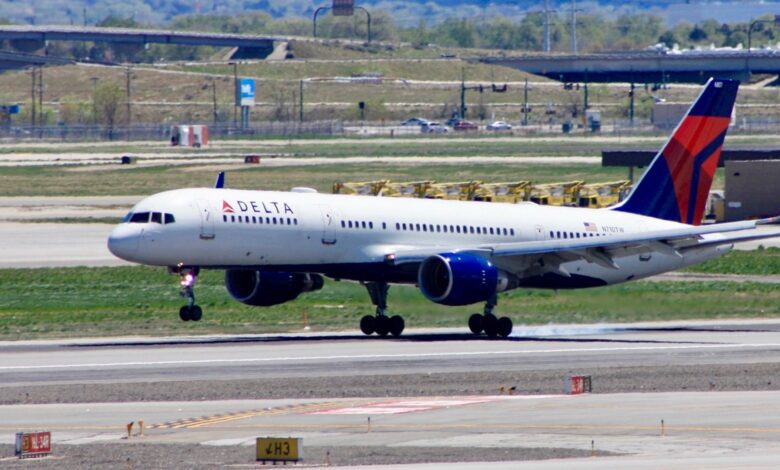
The disruption was not merely a local inconvenience but a systemic failure that exposed the fragility of one of the world’s busiest aviation networks. The ground stop, triggered at 3:36 PM on Friday when air traffic control centers noted instability in radar and communication systems, was lifted at 8:15 PM Eastern Time. However, the restoration of airspace did not immediately restore order. Transportation Secretary Sean Duffy acknowledged the slow recovery, telling reporters, “It’s going to be slow… It depends on do we have crews available, do we have pilots and flight attendants available to fly your flight.”
The root cause, according to the Department of Homeland Security, was a telecommunications and tech outage stemming from overloaded routers and data inconsistencies. Officials described the incident as a “legacy system problem,” citing the integration of new technology into an existing framework that relied on decades-old equipment. “We use 1980s little copper lines,” Duffy stated. “It’s an old system that went down, and went down everywhere. It got overloaded.” Homeland Security Secretary Markwayne Mullin emphasized that there was “zero evidence” of a cyberattack, hostile action, or connection to the separate Microsoft outage that had affected global email systems earlier in the week.
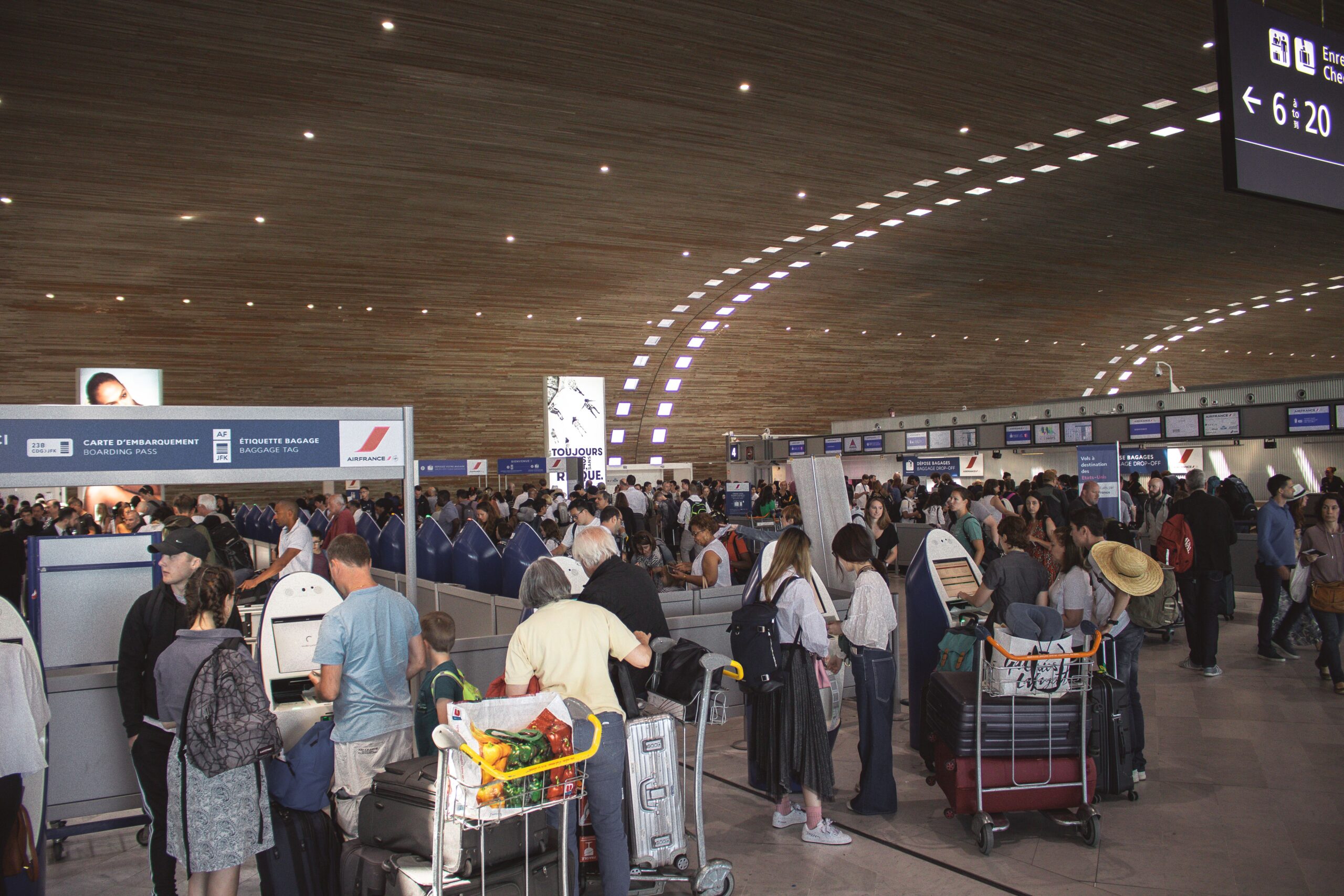
The scale of the disruption was significant. Flight tracking data from FlightAware indicated that more than 8,860 flights to or from the US were canceled on Friday. By Saturday morning, that number had climbed, with an additional 2,650 cancellations recorded, bringing the total to nearly 11,500 flights canceled over the 48-hour period. Simple Flying reported even higher figures, suggesting more than 7,500 flights were canceled on Friday alone, with over 10,000 experiencing delays. These cancellations extended beyond domestic routes, impacting international flights destined for the US and sending ripples across the global aviation network.
The immediate aftermath of the ground stop has created a logistical bottleneck known as “displacement.” Because flights were grounded for such a long duration, aircraft and their crews ended up in cities that do not match their scheduled rosters for the following days. Airlines for America’s chief executive officer noted that while the FAA moved quickly for safety, the result was the displacement of thousands of crew members and aircraft. This mismatch means that even as airports reopen, planes may be sitting on taxiways without pilots or flight attendants to operate them, or vice versa. United Airlines, Delta, and American Airlines have all stated they are resuming operations, with American noting its focus is on “positioning the airline for the strongest possible recovery in the days ahead.” However, the knock-on effect is already hampering Saturday’s flight plans, with over 1,500 additional flights canceled on Saturday due to these crew and equipment imbalances.
The incident has intensified scrutiny on the US air traffic control infrastructure, which is plagued by aging technology and a severe shortage of controllers. Duffy had formally requested $30.1 billion from Congress on Thursday to upgrade and modernize the system, a plea he repeated on Friday night: “I’m going to say it a million times: the Congress has to give the resources to the president so he can finish this bill.” The event highlights the tension between the need for modernization and the operational risks of retrofitting legacy systems. Some air traffic controllers have expressed skepticism about the administration’s explanation. Anna Giaritelli, speaking to CNN, pointed out that system switches are typically performed during low-traffic periods, such as late at night on midweek days, rather than during a busy Friday afternoon. “They don’t happen during busy times like a Friday afternoon,” she said, questioning the timing of the technical updates that preceded the outage.
For households and businesses, the economic impact extends beyond the immediate cost of rebooking flights. The disruption forced professional and college sports teams to scramble for alternate transportation, highlighting how deeply integrated air travel is into the broader economy. For travelers like Anderson, the uncertainty has turned a routine trip into a logistical crisis, with many facing the prospect of driving across the country or waiting days for a rebooked seat. Airlines are working around the clock to reaccommodate affected aircraft, crew, and passengers, but officials warn that normal operations may not be fully restored until after the Thanksgiving travel rush. The next critical test for the system will be its ability to handle this peak travel period, a challenge that underscores the urgency of the infrastructure upgrades currently stalled in legislative debate.