
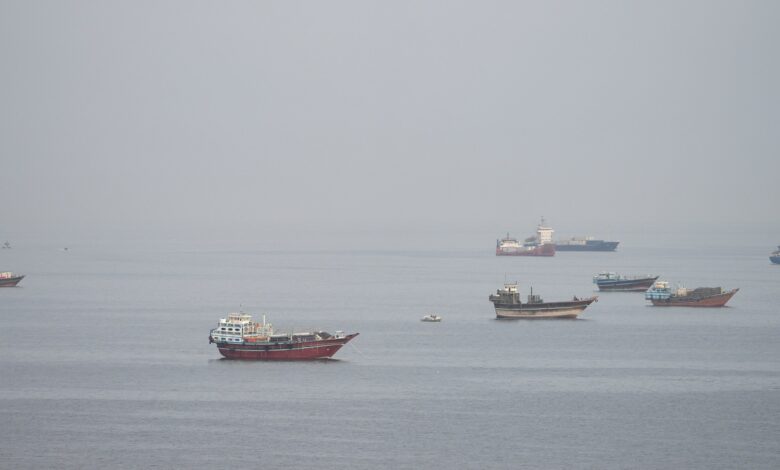
The UN’s International Maritime Organization (IMO) has tracked 136 security incidents involving vessels in Hormuz and the wider Middle East between March 1 and November 11. The data reveals a troubling upward trend, with October recording the highest tally of incidents since the start of the conflict. Specifically, 35 of those incidents occurred in October, followed by 10 in November. Khiari noted that “every day brings new reports of maritime incidents,” urging the “full restoration of maritime navigation in the region” and emphasizing that civilian vessels and commercial shipping must not become targets.
The diplomatic tension surrounding the strait is defined by a sharp divergence in official positions. Iranian authorities have insisted that the Strait of Hormuz will not be fully open until the United States meets a series of demands. These conditions include an end to the US naval blockade of Iran’s ports, the lifting of economic sanctions, the release of Iranian frozen funds, an end to fighting on all fronts, and an explicit announcement of the end of the war. Tehran has warned vessels that they must receive Iranian approval to cross the waterway during the conflict, a protocol it has enforced by attacking ships accused of violations.
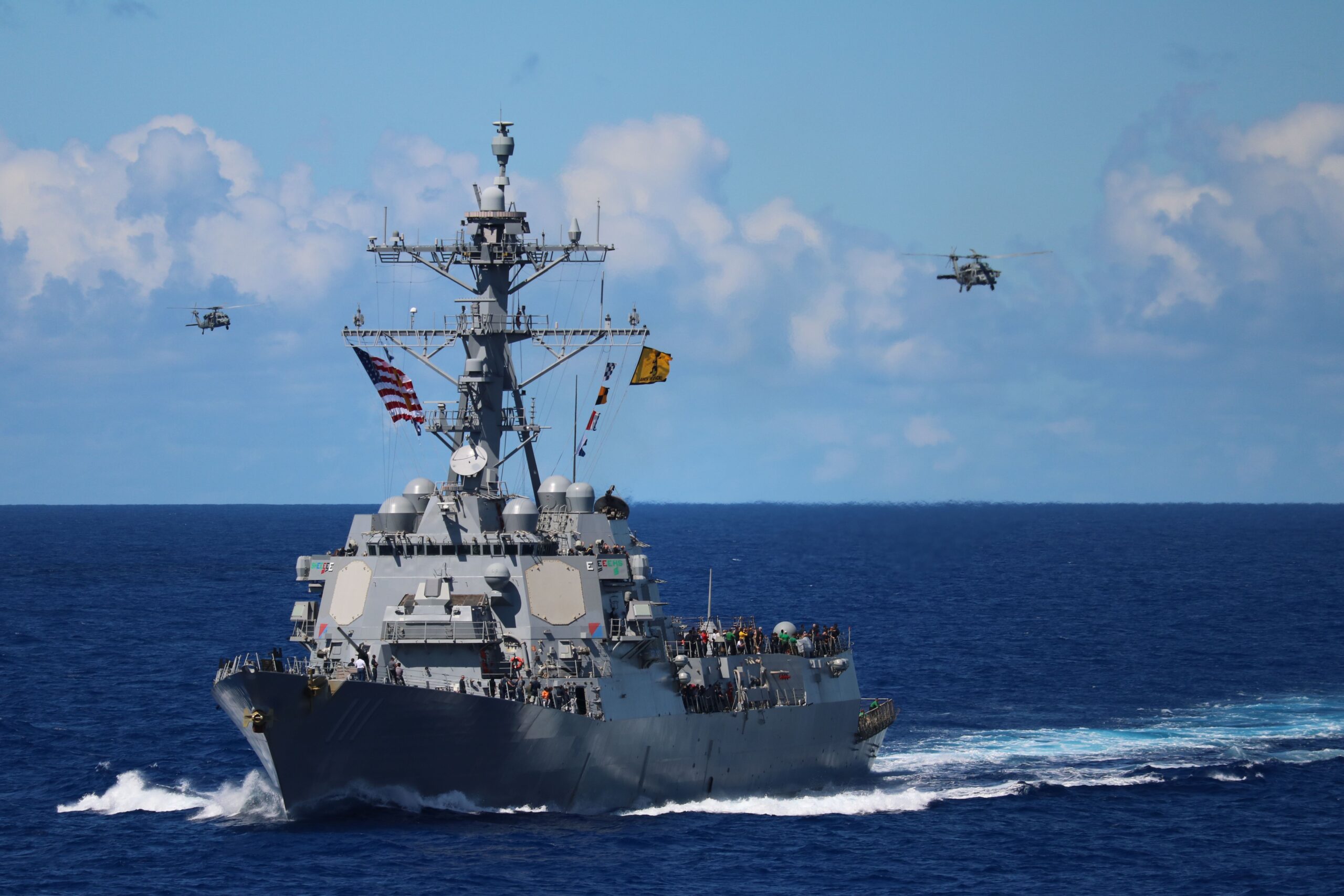
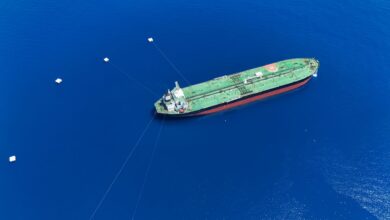
This stance was reiterated on Saturday, when Iranian authorities reported that three oil tankers had hit mines while traveling through “unauthorised” or “restricted” areas of Hormuz. The vessels subsequently caught fire. The Iranian navy issued a warning carried by the state broadcaster IRIB, stating: “Any offending tanker that travels in the restricted area east of the Strait of Hormuz will be set on fire by hitting naval mines.” In contrast, the US military claims it has cleared the strait’s main routes of mines and asserts that the waterway is open for commercial shipping.
Despite these conflicting assertions regarding the safety of the waterway, the economic impact is quantifiable and severe. According to the latest report from the United Kingdom Maritime Trade Operations (UKMTO), shipping through the Strait of Hormuz is approximately 65 percent below pre-war levels. Khiari described the present maritime arrangements in the Middle East as “costly, unpredictable, and unsafe.” He highlighted that disruptions to maritime navigation are having significant global economic consequences, driving up energy, transport, and insurance costs. Furthermore, these disruptions are fuelling inflation and threatening food security amid severely constrained fertiliser shipments.
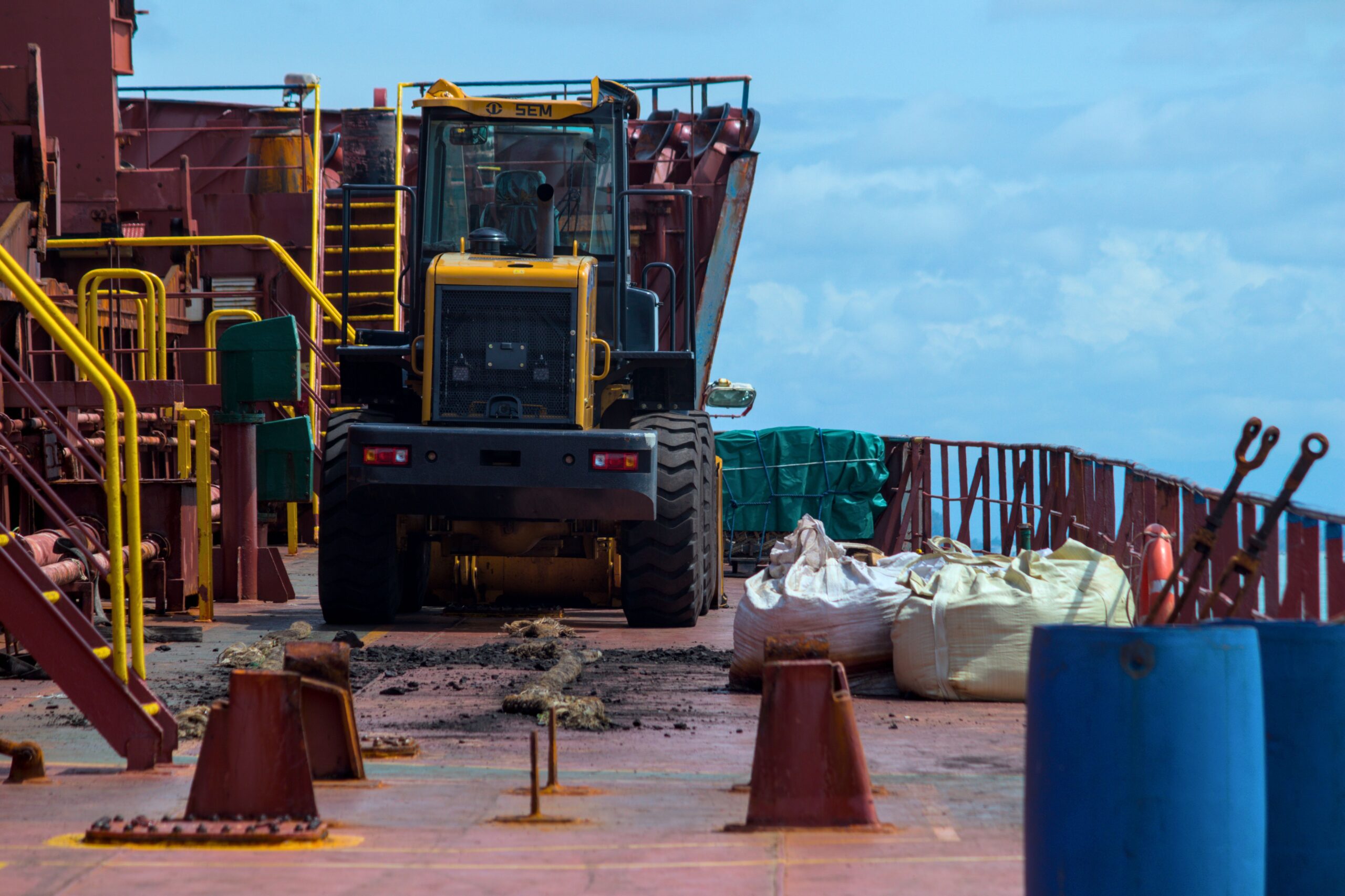
The situation has evolved from a localized conflict into a global economic pressure point. The rise in security incidents, culminating in the record-high number recorded in October, indicates that the maritime environment remains highly volatile. While the US maintains that the main routes are clear, the Iranian enforcement of its “restricted” zones and the continued mining of these areas create a persistent risk for commercial operators. The disparity between the US claim of an open strait and the Iranian demand for diplomatic concessions before full access is granted creates a deadlock that continues to restrict trade.
As the conflict enters its later months, the human toll on the seafaring community has become a central focus of international concern. The UN’s emphasis on the unacceptable nature of these incidents underscores the need for a diplomatic resolution that restores safe passage. Until the demands outlined by Tehran are addressed, or a new diplomatic framework is established, the Strait of Hormuz remains a zone of elevated risk. The immediate next step lies in whether diplomatic channels can bridge the gap between the US military’s operational claims and Iran’s political prerequisites for normalizing maritime traffic in one of the world’s most critical energy chokepoints.


2 Comments