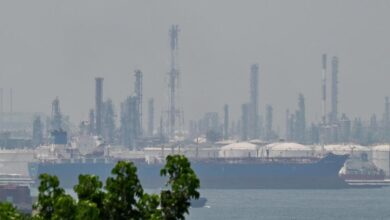
The urgency of this coordination is underscored by the sheer scale of projected demand growth outlined in the 9th ASEAN Energy Outlook (AEO9), launched by the ASEAN Centre for Energy (ACE) in October 2026. Under the Baseline Scenario, ASEAN’s total final energy consumption is projected to rise from approximately 485 million tonnes of oil equivalent (Mtoe) in 2025 to 2,047 Mtoe by 2060. This nearly fourfold increase, driven by economic expansion, industrialization, and emerging sectors such as data centers, places immense pressure on existing infrastructure. Currently, the region remains heavily reliant on fossil fuels, with coal and gas generating over 73% of electricity demand in 2025, compared to only around 5% from solar and wind combined. The APG is positioned as the critical mechanism to manage this transition, leveraging geographic diversity to balance the variability of renewable generation and share reserve capacity across borders.
The economic stakes of delay are significant. Recent energy crises have exposed the fragility of the region’s import-dependent model. With the Middle East supplying about a third of ASEAN’s oil and refined products, geopolitical conflicts can trigger sharp price spikes; for instance, renewed tensions in the region pushed gas prices up by as much as 60% against pre-conflict levels, directly impacting household bills and industrial costs. Subsidies have absorbed part of this shock, but they do not eliminate the underlying vulnerability. A detailed analysis of the APG’s strategic imperative reveals that every year of delay in implementing regional interconnections carries a substantial opportunity cost. In a delay scenario, the region would see an additional 71 million tonnes of CO2 emissions by 2040, and 7.2 GW of solar capacity would be put on hold by 2035 due to grid constraints. Furthermore, the lack of interconnection forces reliance on more expensive, isolated generation sources, such as an additional 300 MW of gas in Singapore, while requiring 3.5 GW of extra storage to maintain stability.
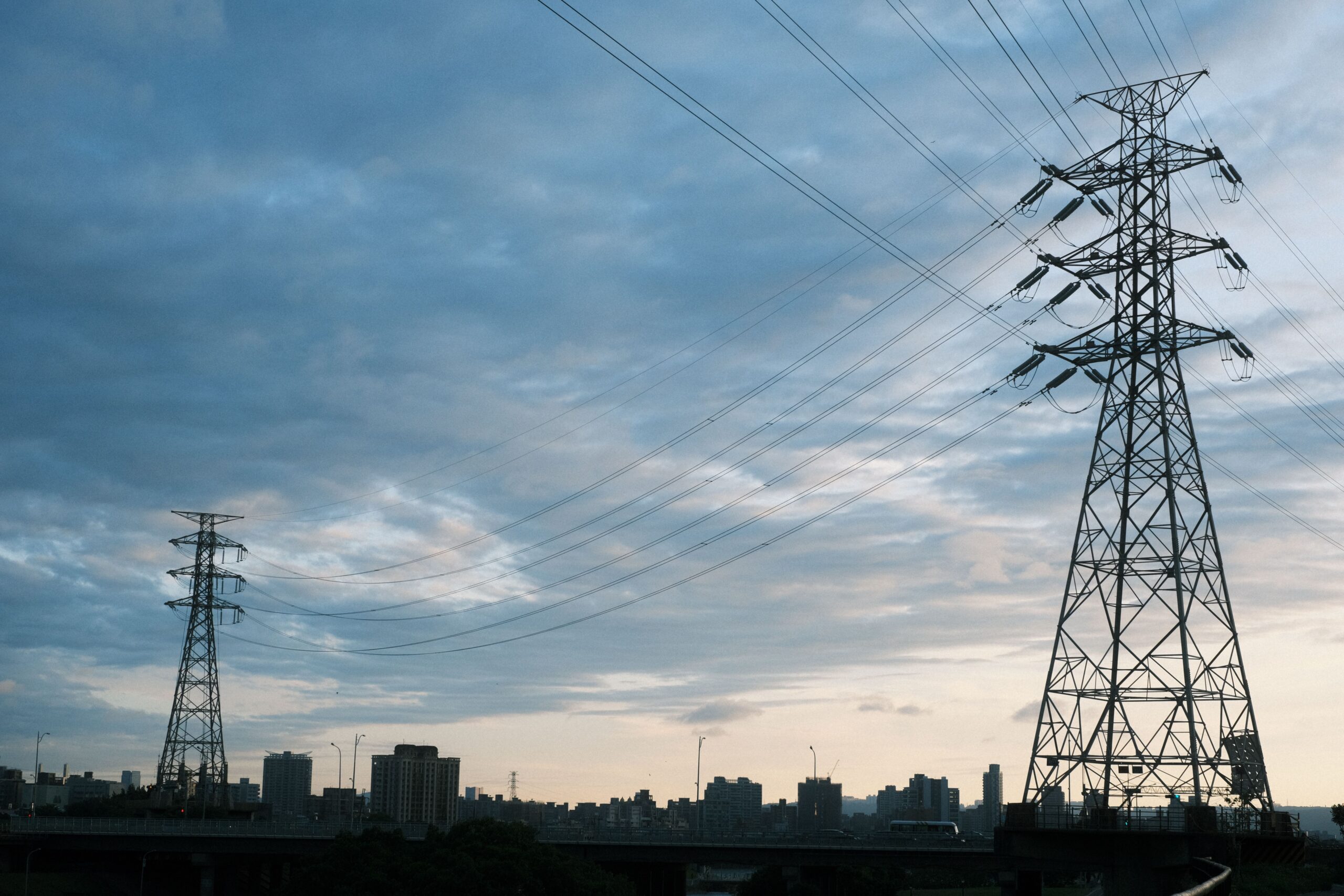
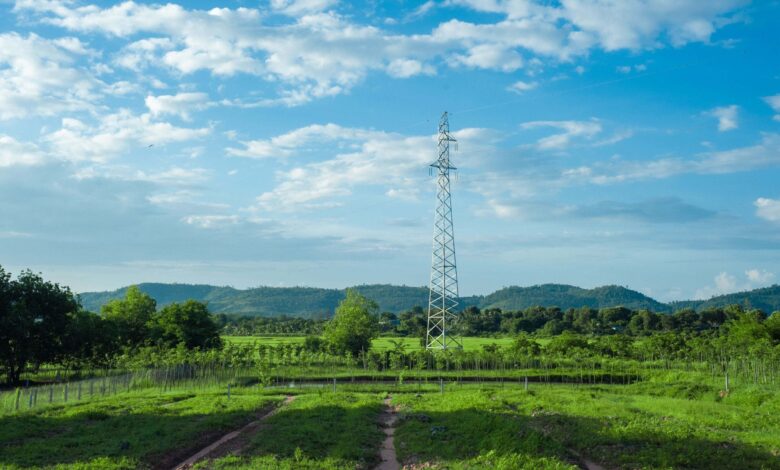
The Enhanced MOU addresses these challenges by establishing a comprehensive framework for cooperation in infrastructure planning, regulatory development, institutional arrangements, and financing. It specifically targets the construction of overland transmission lines and subsea cables, the physical backbone of the APG. Crucially, the agreement adopts a voluntary and gradual approach to electricity market integration, respecting the distinct national policies and regulations of each member state. This pragmatic stance is essential for overcoming the institutional, regulatory, and financial barriers that have historically slowed cross-border projects.
Precedents suggest this model is viable. The Lao PDR–Thailand–Malaysia–Singapore Power Integration Project (LTMS-PIP) has demonstrated that cross-border interconnections can function effectively even across vastly different market designs, linking liberalized markets with state-owned utilities through sustained coordination rather than full structural harmonization. This existing success provides a blueprint for scaling up the APG, offering a proof of concept that diverse regulatory environments can coexist within a shared power system.

As the Philippine chairship concludes, the focus shifts from agreement to execution. Energy Secretary Sharon Garin emphasized that the Philippines will continue to work with fellow member states to advance regional electricity trade and attract the necessary investment. ASEAN Secretary-General Kao Kim Hourn framed the signing as a reflection of “shared commitment and mutual trust,” welcoming partners and investors to translate this political will into tangible projects. The goal is clear: to deliver reliable, affordable, and sustainable electricity for the region’s peoples as they move toward the ASEAN Community Vision 2045. The next verified development will be the mobilization of the estimated USD 405 billion in annual investment required for the most ambitious transition pathways, turning the signed MOU into the tangible wires and turbines that will power Southeast Asia’s future.