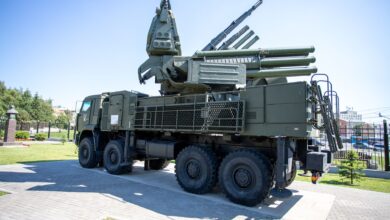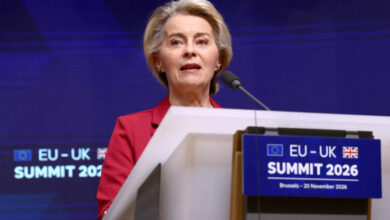

The conference, hosted by the UN, begins on Monday and is set to address the rapid integration of artificial intelligence into military hardware, including drones, robots, tanks, and submarines. While the majority of CCW member states support the launch of formal negotiations, major military nations including the U.S., Russia, and Israel have consistently argued that existing international humanitarian law provides an adequate framework for governing warfare. This divergence has created a stalemate that diplomats and rights groups anticipate will make the talks particularly difficult.
According to two diplomats who spoke to Reuters, the discussions are expected to be challenging, though there remains a possibility that states may seek a compromise by the end of the week. Options under consideration range from legally binding treaties to non-legally binding guidelines, as well as hybrid agreements incorporating elements of both. The chair of the conference has proposed a two-year mandate to negotiate a legally binding protocol. In contrast, the U.S. has advocated for a five-year mandate aimed at reaching a non-binding agreement, maintaining that current legal frameworks are sufficient.
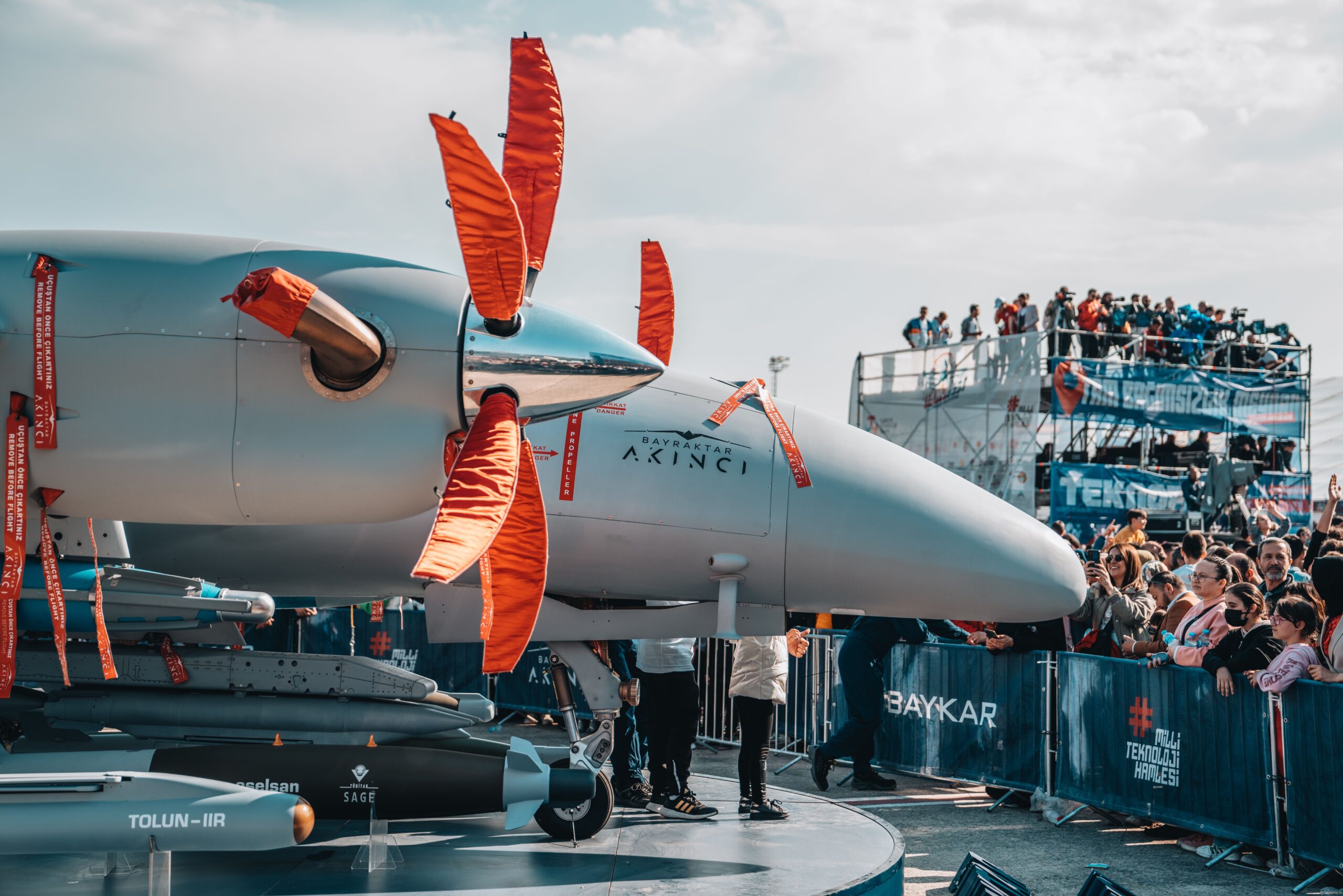
The debate is not merely academic; semi-autonomous, AI-assisted weapons have already been deployed in conflict zones including Ukraine, Sudan, and the Middle East. Anna Hehir, head of military AI governance at the Future of Life Institute, a U.S.-based nonprofit, noted that LAWS are no longer a matter of science fiction, citing media reports of the early use of fully autonomous systems in Ukraine. Campaigners warn that these systems can behave unpredictably, increasing the risk of fatal errors and ethical violations on the battlefield.
The opposition from the U.S. and Russia is viewed by observers as a significant barrier to progress. Hehir noted that both nations likely seek to water down any potential outcome, similar to their approach in September regarding a text on the potential harms of autonomous weapons. Russia, which has not publicly stated its position for the current talks but has previously resisted binding proposals, is also planning to block the European Union, an observer to the talks, from taking the floor, according to a senior Western diplomat.
Other major powers are adopting varied positions. The U.K., Germany, and France have proposed negotiations on an instrument that leaves open the question of whether the final agreement would be legally binding. Meanwhile, the leaders of the UN and the International Committee of the Red Cross (ICRC), along with the Pope, have warned of the dangers posed by autonomous weapons and expressed support for regulation. The ICRC argues that current humanitarian law does not sufficiently address the specific risks associated with autonomous systems.
Verity Coyle of Human Rights Watch, which is urging the Review Conference to take firm action, stated, “Machines should never be allowed to decide who lives and dies on a battlefield but that is the dystopian reality that is fast approaching.” The organization and other rights groups emphasize the moral imperative to prevent the delegation of life-and-death decisions to machines.
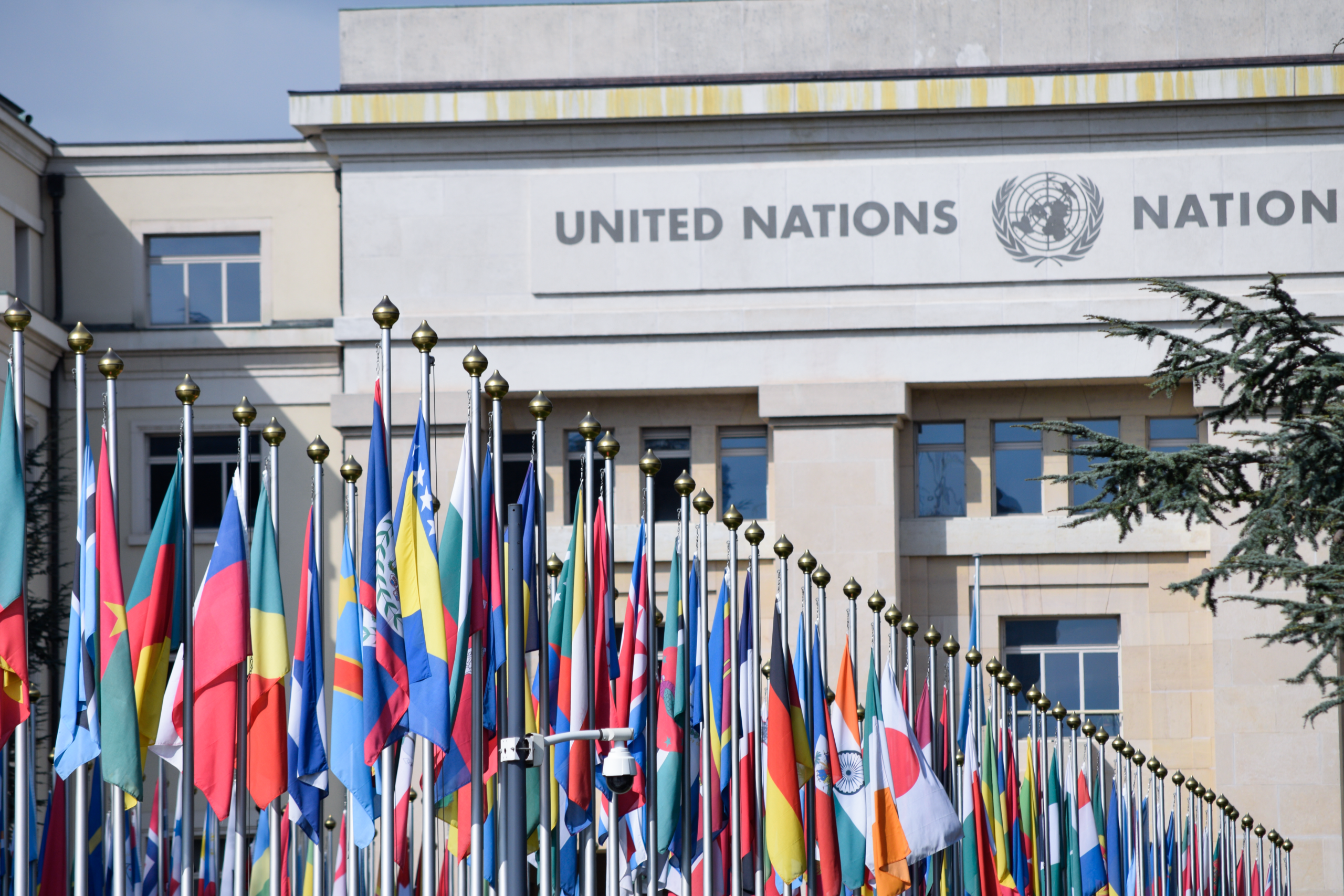
The outcome of the Geneva talks will have strategic implications for the global governance of emerging military technologies. If the U.S. and Russia successfully block a binding mandate, it may signal a continued reliance on voluntary guidelines, potentially slowing the development of international standards for the ethical use of AI in warfare. Conversely, a compromise could establish a framework for future multilateral efforts to regulate autonomous systems, balancing military innovation with humanitarian concerns.
As the conference proceeds, attention will turn to whether the 128 member states can find common ground amidst the entrenched positions of the major military powers. The next steps will depend on the diplomatic maneuvering in Geneva, with the potential for a fragmented or unified approach to the regulation of lethal autonomous weapons.