
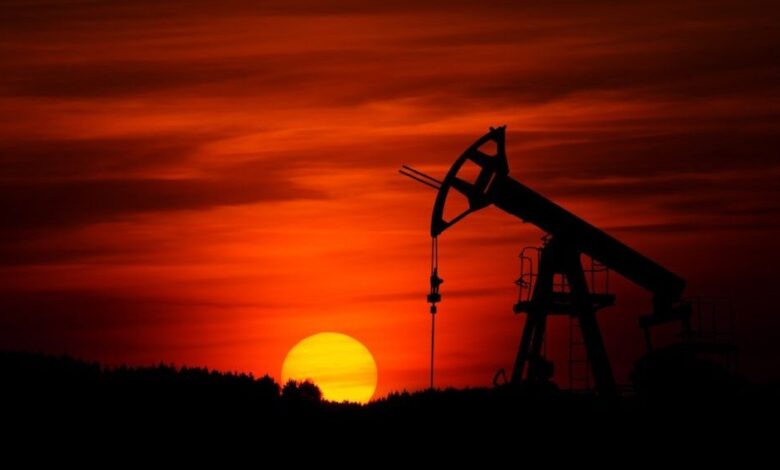
The core of this tension lies in a shift in the global oil balance. The International Energy Agency (IEA) expects the global oil market to return to surplus during the December quarter. This would be the first time the market has tipped into oversupply since the onset of the Iran conflict. The driver is straightforward: recovering Middle Eastern exports are currently outpacing the pace of global demand growth. This outlook stands in stark contrast to earlier this year, when fears of acute supply shortages had pushed crude prices sharply higher. The narrative has flipped from scarcity to abundance, yet the price floor remains stubbornly high due to risk premiums.
Geopolitical uncertainty acts as the counterweight to the surplus data. US-Iran negotiations remain stalled, and reports of renewed attacks in the region have kept traders on edge. The market is sensitive to potential disruptions across major energy-producing countries. Any escalation in the Middle East could quickly erode the surplus by halting exports, while diplomatic de-escalation could allow the surplus to fully materialize, dragging prices down. This dichotomy creates a volatile environment where prices respond rapidly to diplomatic and military developments rather than adhering strictly to inventory levels.
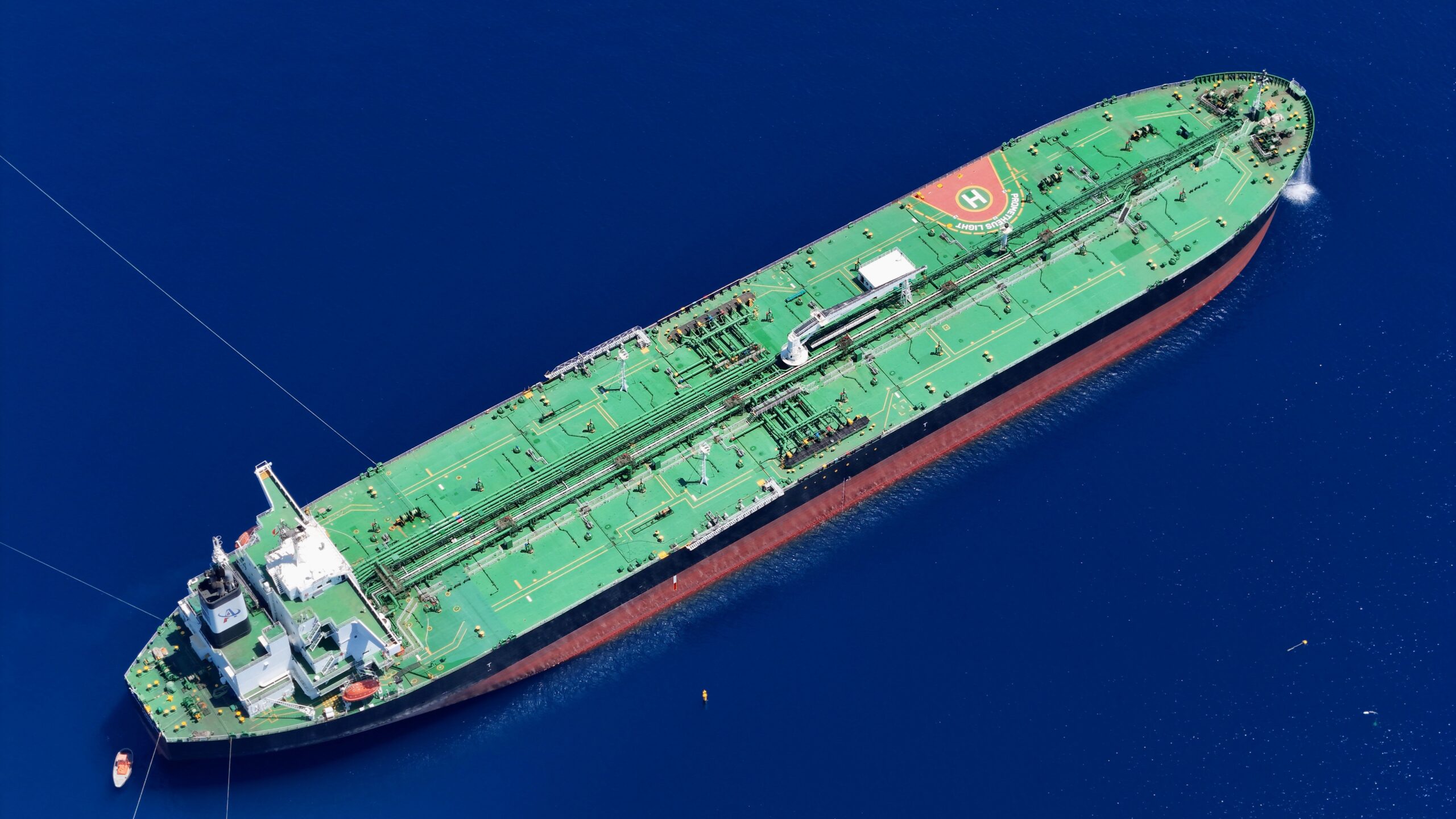
The implications of this price stability extend beyond the trading floor to national economies and corporate earnings. For Australian investors, the outlook has direct consequences for major producers such as Woodside Energy and Santos. A sustained decline in crude prices would weaken earnings expectations for these energy companies, which rely on high commodity prices to justify capital expenditure and shareholder returns. Conversely, lower or stable prices provide relief to downstream users, including airlines and transport operators, whose fuel costs are a significant expense line.
At the macroeconomic level, oil prices are a critical input for inflation calculations. Cheaper fuel could ease inflationary pressure, a factor of significant interest following the Reserve Bank’s decision to lift the cash rate to 4.85%. The central bank’s move to tighten monetary policy was partly a response to persistent inflation, and energy costs remain a key variable in that equation. If the supply surplus holds and geopolitical risks do not escalate, the resulting lower energy costs could support a gradual cooling of inflation, potentially altering the trajectory of future monetary policy decisions.
However, the path forward is not linear. The key question facing analysts and policymakers is whether recovering global production will be sufficient to keep oil prices contained despite the continuing Middle East conflict. The IEA’s forecast suggests that physical supply is ample, but the market is pricing in a risk premium that reflects the fragility of the region’s peace. The five-month high in oil prices triggered by Houthi attacks in the region serves as a reminder that supply chains are vulnerable to non-state actors and regional instability.
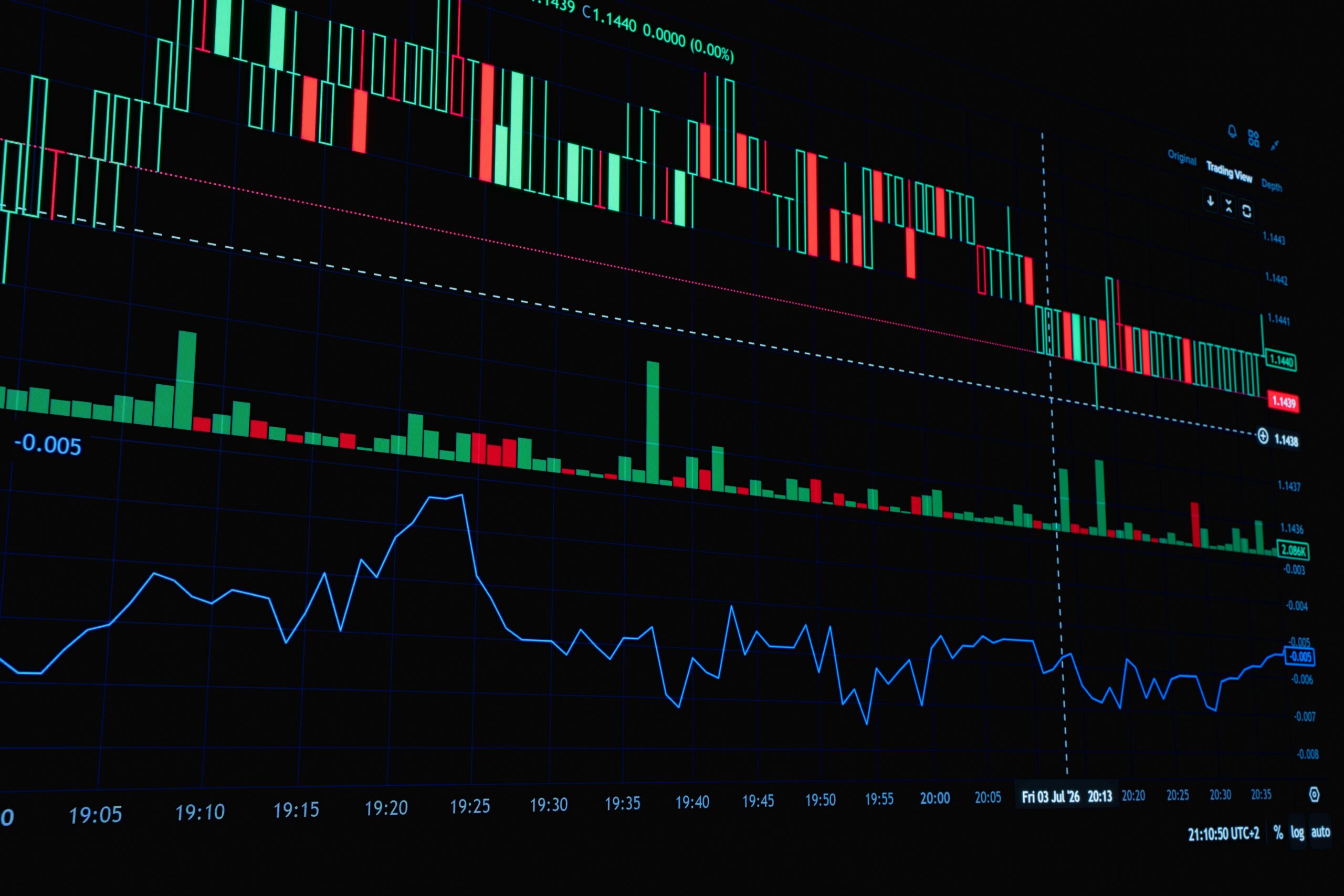
For now, the market is in a state of equilibrium that is difficult to predict. Traders are watching for signals from both supply and demand sides, as well as geopolitical developments. The interplay between the IEA’s surplus forecast and the ongoing regional tensions means that oil prices will likely remain range-bound, with sharp spikes possible in response to any major escalation. For consumers and businesses, the message is one of cautious stability: prices are not expected to crash, but the underlying risks remain high.
As the December quarter approaches, the focus will shift to whether the predicted surplus materializes in physical inventories. If exports continue to recover and demand growth remains moderate, the pressure on prices to fall will intensify. Yet, until the geopolitical landscape in the Middle East stabilizes, the risk premium will remain embedded in the price of crude. The story of oil in late 2024 is one of two competing forces: the mechanical reality of supply and demand, and the unpredictable nature of geopolitical risk. Both must be managed simultaneously by producers, consumers, and policymakers alike.



2 Comments