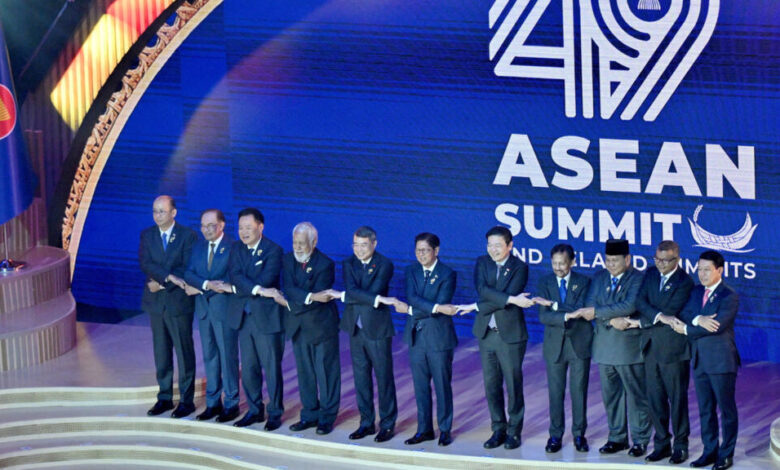
The summit’s agenda is broad, reflecting the complex array of issues facing the Association of Southeast Asian Nations (ASEAN) in the current geopolitical climate. Over the next three days, world leaders are expected to focus primarily on trade and energy security. These economic pillars remain central to the region’s stability, yet they are inextricably linked to broader conflicts. Specifically, the diplomatic discussions are set to include the war in Iran, indicating that the summit will serve as a forum for addressing not only intra-regional dynamics but also the spillover effects of major power conflicts further afield.
Significant attention will also turn to the arrival of United States President Donald Trump, who is expected to land in Manila on Tuesday. His presence highlights the continued importance of American engagement in Southeast Asia, even as the Philippines and Australia deepen their own bilateral security cooperation. The timing of the summit, therefore, operates at the intersection of multilateral diplomacy and bilateral strategic alignment. The strengthening of deterrence between Manila and Canberra suggests a coordinated approach to security challenges, potentially influencing the tone and outcomes of the broader ASEAN discussions.
The convergence of these elements—regional economic cooperation, global conflict resolution, and major power diplomacy—positions this year’s Manila summit as a critical node in the current international order. The focus on trade and energy provides a framework for economic resilience, while the inclusion of the Iran conflict and the visit of the US President signal that security and geopolitical alignment remain paramount. The strengthened military ties between the Philippines and Australia further indicate a shift toward more robust defensive postures in the region, aiming to deter potential aggression and stabilize the area amid external pressures.

As the leaders engage in these multifaceted discussions, the immediate outcome will likely be a reaffirmation of ASEAN’s role as a central platform for regional dialogue. However, the underlying tensions and the specific strategic moves by member states and external partners will determine the long-term trajectory of the organization’s influence. The summit thus serves not only as a routine annual meeting but as a pivotal moment for recalibrating alliances and addressing the immediate geopolitical risks that threaten the region’s prosperity.
The focus now shifts to the specific interactions and declarations that will emerge from the three-day session. With the US President set to join the proceedings on Tuesday, the diplomatic dynamics are poised to intensify. The interplay between the economic, energy, and security agendas will define the summit’s legacy, as Southeast Asian nations navigate a period of heightened global uncertainty and strategic realignment.