The central development here is not merely the celebration of the nation’s founding, but the application of a UAE law passed in 2025 which renders certain public holidays “transferrable.” Under this legislation, if a public holiday falls in the middle of the week, authorities may move it to the beginning or end of the workweek to create a longer continuous break linked to the weekend. For the 2026 edition of Eid Al Etihad, the dates land on a Wednesday (December 2) and a Thursday (December 3). This positioning creates a unique administrative possibility: if the government declares the intervening Friday, December 4, as an additional holiday, or if employees use their annual leave to cover that day, the break extends from December 2 through December 6. This would result in a five-day continuous period of rest, a significant departure from the standard four-day long weekend (Monday through Thursday) seen in previous years, such as 2024, when the holiday fell on a Monday and Tuesday.
The mechanism behind this potential extension highlights a shift in how the UAE’s labor and public sector institutions approach work-life balance and national cohesion. The 2025 law was designed to maximize the utility of public holidays by aligning them with weekends, thereby reducing the fragmentation of the work week. While sources indicate it is “unlikely” that the Eid Al Etihad holidays themselves will be transferred from their fixed historical dates of December 2 and 3, the declaration of an additional holiday on Friday remains a plausible administrative action. This decision rests with the relevant government authorities who determine the official holiday calendar. The political implication is one of social policy: by facilitating longer breaks, the state reinforces the cultural importance of National Day while offering tangible benefits to the workforce, a demographic that is increasingly diverse and global.
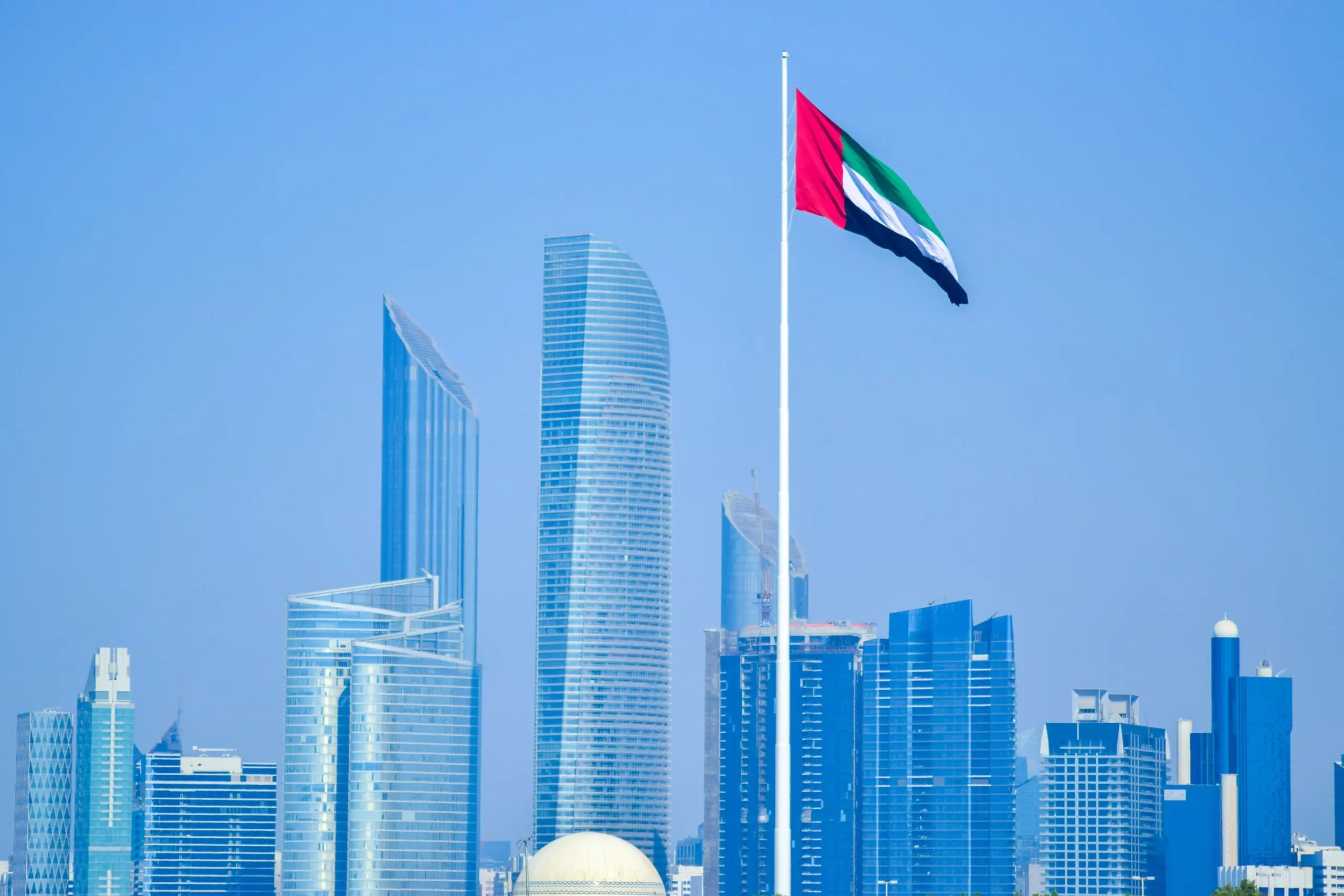
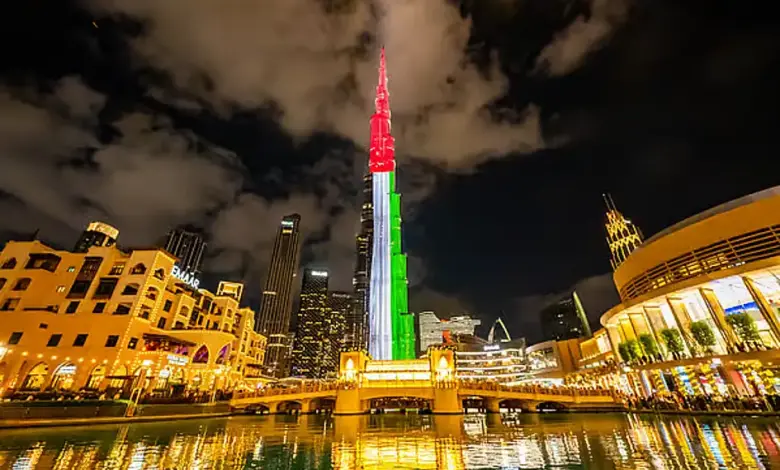
Contextually, Eid Al Etihad commemorates the unification of Abu Dhabi, Dubai, Sharjah, Ajman, Umm Al Quwain, and Fujairah in 1971, with Ras Al Khaimah joining shortly thereafter. The occasion is deeply rooted in the legacy of the UAE’s Founding Father, the late Sheikh Zayed bin Sultan Al Nahyan, who led the efforts to unite the emirates and served as the first president. Celebrations typically involve the display of the national flag in red, green, white, and black, along with official programs that highlight the country’s progress over the last five decades. In 2024, for instance, the 53rd anniversary was marked by synchronized fireworks displays in Abu Dhabi, particularly at Yas Island, Al Maryah Island, and the Sheikh Zayed Festival in Al Wathba. These events are not just recreational; they serve as state-sanctioned rituals of unity, reinforcing the narrative of national identity and stability.
The prospect of a five-day break in 2026 has drawn attention from both local and international observers, including media outlets like The Times of India, which noted the “unprecedented” nature of such an extension due to the midweek holiday alignment and recent law changes. For employees, particularly those in the private sector who have specific guidelines for holiday observance, this development offers a rare opportunity for extended travel or family time. The distinction between public sector and private sector holiday arrangements is also a point of institutional rigor; while the public sector follows government-issued circulars, private sector employees must navigate their own contractual terms, though the general public holiday status of December 2 and 3 applies universally. The uncertainty lies in whether the government will proactively declare Friday a holiday or leave the extension to individual discretion via annual leave. This ambiguity is standard in the months leading up to the holiday, as official announcements typically follow the issuance of the final labor calendar for the year.

Opposing perspectives are minimal regarding the desirability of the holiday itself, but there is an inherent tension between economic productivity and leisure. Critics of frequent holiday extensions might argue that long breaks disrupt operational continuity in key sectors such as logistics and finance. However, the prevailing policy direction, evidenced by the 2025 law, suggests a priority on enhancing the quality of life and reinforcing national pride through shared time off. The “Voice of the UAE” and other local media outlets have framed this not as a disruption, but as a benefit, encouraging residents to plan their annual leave strategically. This narrative aligns with the broader governmental objective of positioning the UAE as a livable, modern state that balances tradition with contemporary work practices.
What remains unresolved is the official confirmation of the holiday dates for 2026. Until the authorities release the formal calendar, the possibility of a five-day break remains a conditional probability based on the 2025 transfer law. The next political development to watch will be the issuance of the official memo from the Ministry of Human Resources and Emiratisation, or the relevant government entity, which will confirm whether December 4 will be included in the public holiday list. This announcement will serve as the final determinant for the scale of the national pause, marking the culmination of the year’s most significant civic observance.