
Environmental Drivers and Health Implications
The EEA briefing, released on European Antibiotics Awareness Day, underscores the complexity of how resistance spreads outside of clinical settings. While it is established that microorganisms acquire the ability to survive antimicrobial treatment, leading to harder-to-treat infections, the specific pathways through which environmental exposure translates into human health risks remain unclear. The agency stresses that the public health impacts of environmental AMR are “poorly understood” and likely depend on a complex interplay of factors, including the type and conditions of exposure, the combination of genes and bacteria, and the susceptibility of the human host.
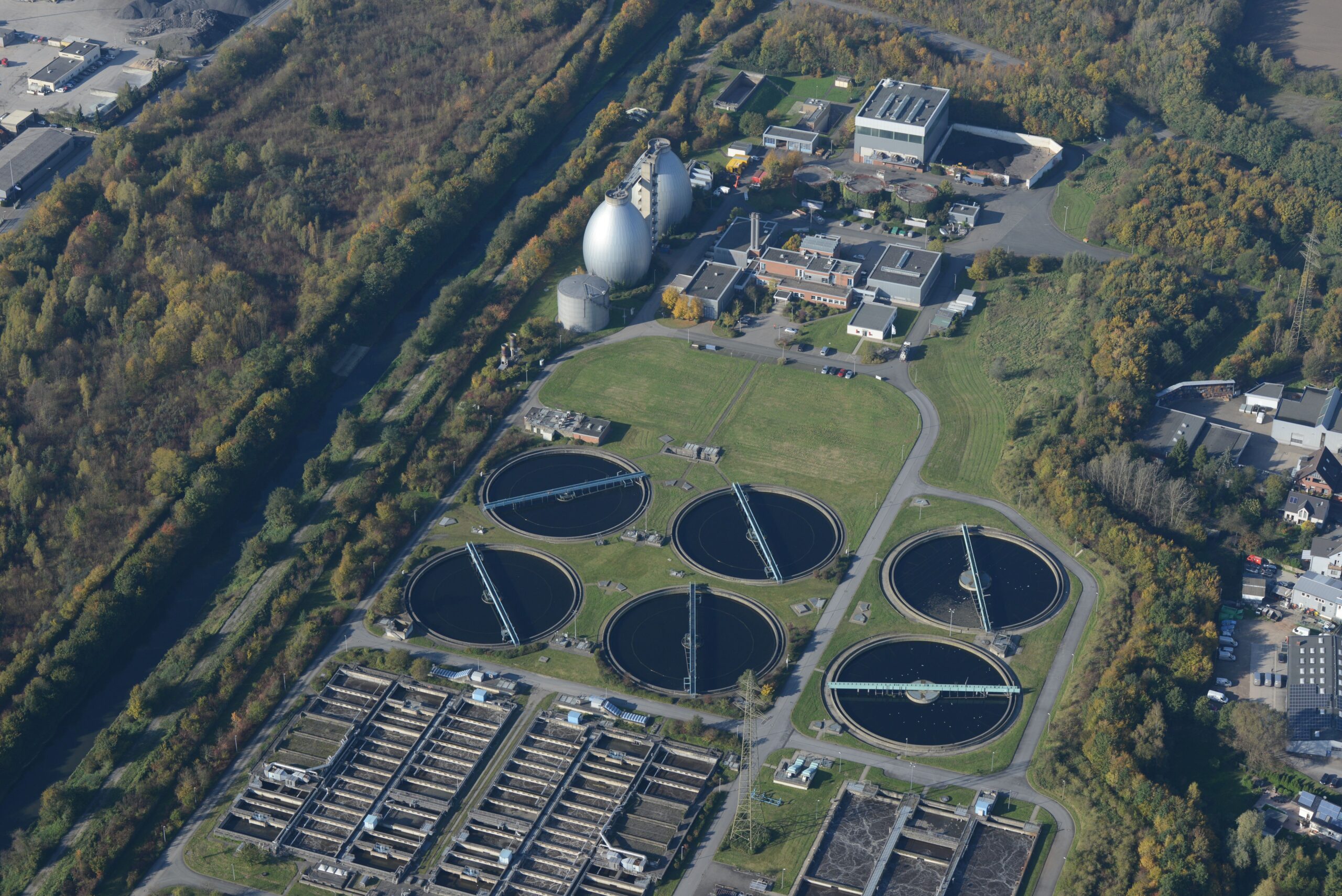
This uncertainty highlights a significant gap in current public health surveillance. Historically, monitoring efforts have focused heavily on clinical samples from humans and animals. However, the EEA argues that without reliable, standardized monitoring of AMR in the environment—specifically in surface waters and urban wastewater—authorities cannot accurately identify hotspots or track resistance across the “One Health” sectors, which include public health, the environment, and food production.
The Scale of the Threat
The urgency of this environmental dimension is underscored by the magnitude of AMR as a global health crisis. The briefing notes that the global health burden of AMR is comparable to that of HIV and malaria. In the European Union and the European Economic Area (EEA), more than 35,000 people are estimated to die each year from antibiotic-resistant infections, according to data from the European Centre for Disease Prevention and Control (ECDC) cited in the report.
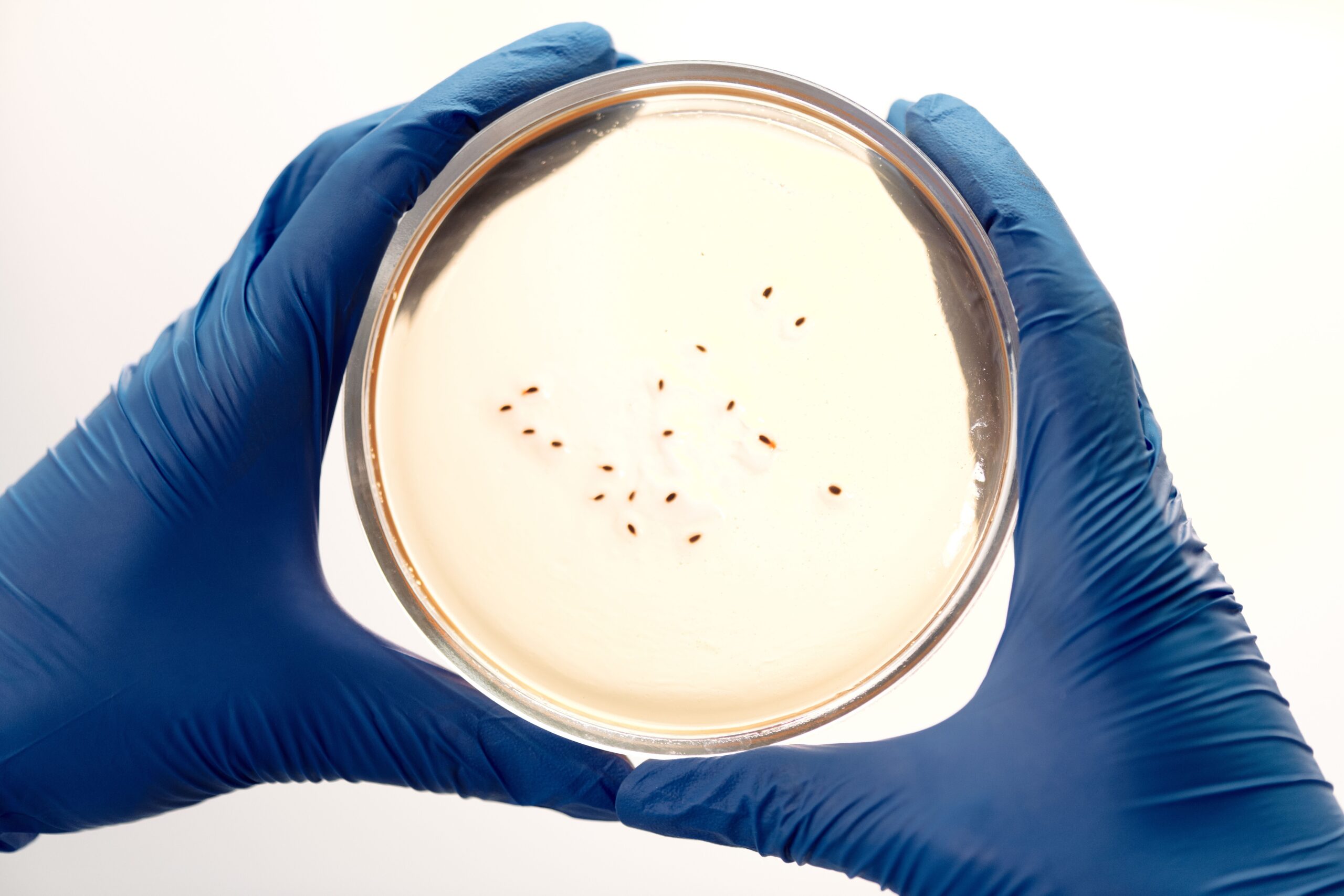
As resistance spreads, the consequences are severe: infections become harder to treat, leading to prolonged illness, increased healthcare costs, and higher mortality rates. The EEA’s findings suggest that ignoring the environmental reservoir of resistance genes could undermine efforts to curb these statistics, as bacteria may acquire resistance in the environment before re-entering the food chain or human populations.
One Health Approach and Regulatory Context
The briefing is based on a joint report by two European Topic Centres and aligns with the broader European Union strategy to combat AMR through a “One Health” approach. This framework recognizes that the health of humans, animals, and the environment are inextricably linked. EU agencies, including the ECDC, the European Food Safety Authority (EFSA), the European Medicines Agency (EMA), the European Chemicals Agency (ECHA), and the EEA, currently collaborate in line with a 2023 Council Recommendation to step up actions against AMR.
The EEA’s call for standardized environmental monitoring is a key component of this strategy. By generating comparable data across borders, the agency aims to support risk-based prevention measures. The report does not propose new clinical treatments or vaccines but rather highlights the infrastructure needed to understand the problem: robust surveillance systems that can detect resistance in wastewater and surface waters.
Uncertainties and Next Steps
While the link between environmental factors and the persistence of resistance genes is supported by the briefing, the direct causal link between environmental exposure and specific human health outcomes remains an area of ongoing investigation. The EEA explicitly states that more data is needed to clarify how exposure pathways affect public health. This distinction is crucial; while the environmental presence of AMR is a verified concern, the precise mechanism by which it contributes to the 35,000 annual deaths in the EU requires further epidemiological study.
The publication of this briefing serves as a prompt for policymakers and health authorities to integrate environmental data into broader AMR control strategies. The next critical steps will involve the implementation of the recommended standardized monitoring protocols to generate the comparable data necessary to identify hotspots and evaluate the effectiveness of current mitigation efforts. As climate change continues to alter water systems and waste treatment patterns, the intersection of environmental science and infectious disease control becomes increasingly vital for safeguarding the effectiveness of antibiotics.