Technical Failure and Network Overload
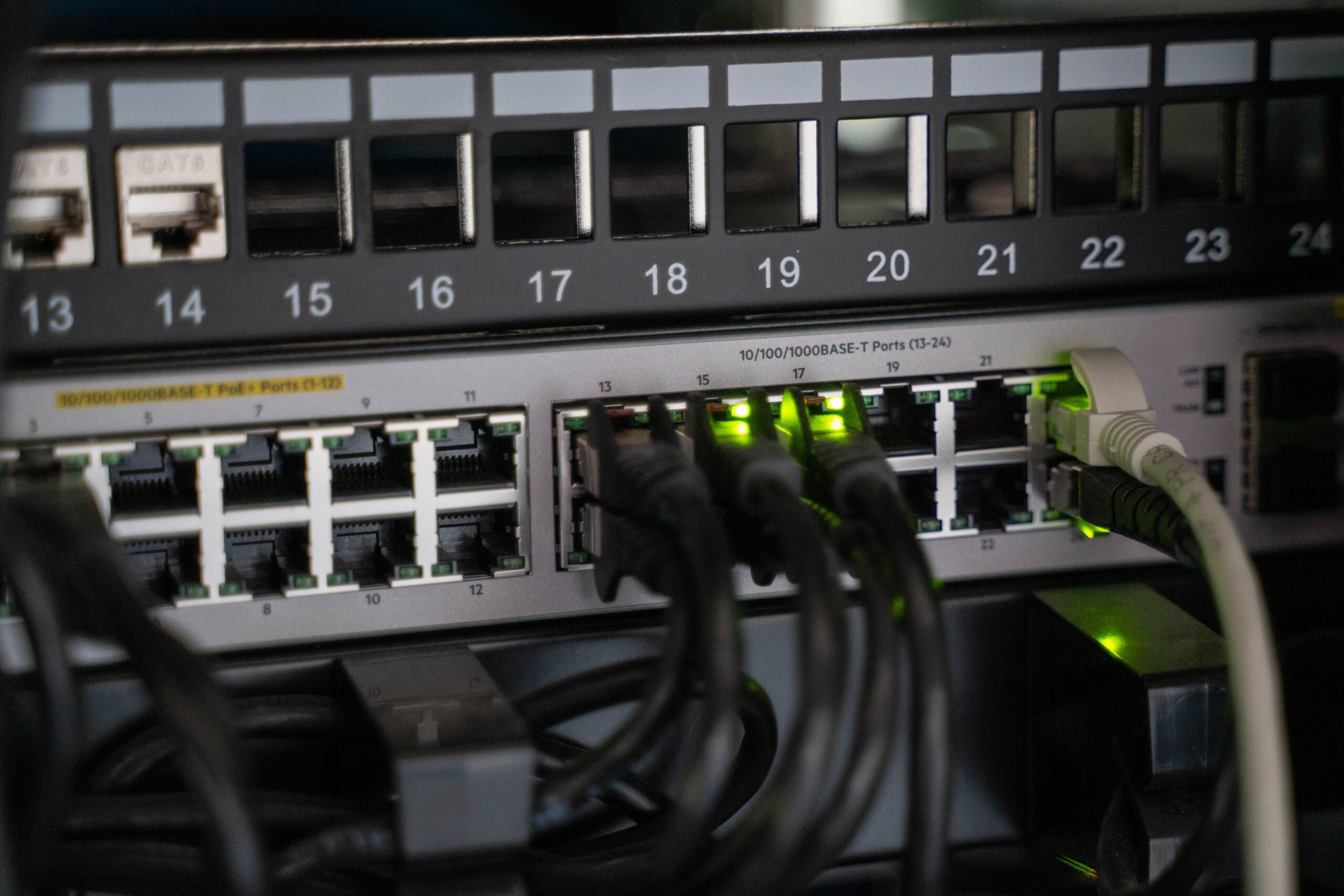
The disruption began when the FAA’s telecommunications network became overloaded with “excessive data” at a rate of 1,000 connection attempts every four to five seconds. According to the FAA, this deluge created instability in aircraft communications and radar feeds, affecting 17 of the 22 regional air traffic control centers responsible for directing high-altitude traffic. A secondary contributor to the issue was a router installed three weeks prior in Amarillo, Texas.
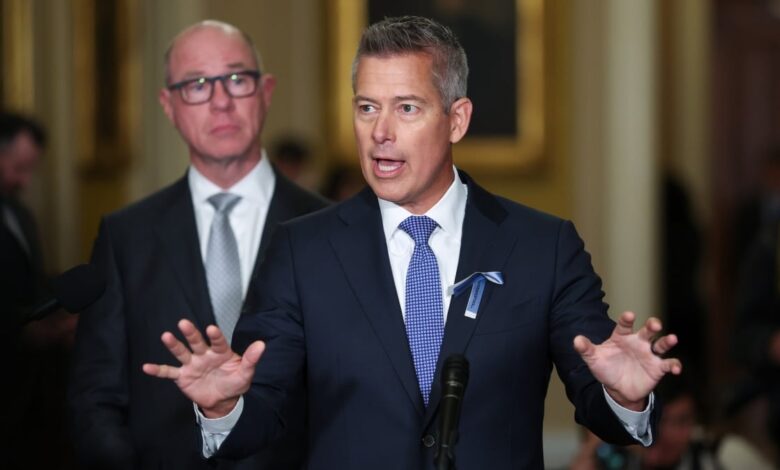
Transportation Secretary Sean Duffy stated that the system became unstable after L3Harris, the federal contractor maintaining the FAA’s network, replaced outdated copper wires with fiber-optic lines in Arkansas. Duffy described the failure as a cascade of intermittent communications and radar signals. In response, the FAA disabled the functionality of all existing Juniper routers on Friday following the incident and is currently relying on Cisco routers that have been in operation for 25 years to maintain network stability while the root cause is investigated.
Conflicting Accounts on Oversight and Responsibility
The exact cause of the outage remains under investigation, with conflicting narratives emerging regarding human oversight. A report by the Washington Post, citing an FAA official, indicated that an FAA employee was on the ground in Arkansas during the wire replacement. This official reportedly oversaw the work, tested the new infrastructure, and signed off on the installation eight minutes before the national ground stop was implemented. The work involved replacing a router and swapping old copper wires for new fiber-optic cables, part of a broader national upgrade initiative.
This account complicates Secretary Duffy’s public stance. On Saturday, Duffy suggested that “incompetence” by L3Harris may have led to the ground stop. He stated that the agency was considering bringing in new contractors and urged L3Harris to “hire better minds” for the wire replacement work. However, the involvement of an FAA official in testing and approving the work raises questions about shared responsibility. An anonymous source told the Washington Post that an exact cause has not yet been confirmed, despite Duffy’s claim on Saturday that the replaced router was faulty.
Manufacturer Response and Laboratory Testing
Hewlett Packard Enterprise (HPE), which owns Juniper, has disputed the notion that the hardware failed in an uncontrolled manner. In a statement, HPE said it believes the routers were working properly when the ground stop occurred. “Based on what we know today, the device functioned as it was configured to by the installer,” the company stated. This suggests the issue may lie in the configuration or integration process rather than a defect in the router itself.
The routers at the center of the incident are currently being tested in a laboratory at L3Harris headquarters. Secretary Duffy acknowledged that while his team has been able to recreate the conditions that occurred in El Dorado, they do not yet have clarity on the root cause. He noted that 68 previous installations using the same type of router had worked without issue, indicating that the failure was an anomaly rather than a systemic flaw in the hardware design.
Financial Impact and Political Backlash
The ground stop had immediate and significant financial consequences. Bernstein, an equity research firm, estimated that the outage and the subsequent weekend recovery efforts cost the four largest U.S. airlines—American, Delta, United, and Southwest—approximately $345 million combined. Airlines had to issue cash refunds, credits, and rebooking options, resulting in a measurable impact on their quarterly earnings. Analysts warned that a booking slowdown before Thanksgiving or a recurrence of the outage would result in even greater losses.
The incident has also fueled political tension regarding the funding of air traffic control modernization. The Trump administration has requested $50.1 billion from Congress to update the air traffic control system and improve airport infrastructure. This request includes $10.1 billion specifically for updating the control system, with the remainder allocated for airport infrastructure, terminal refurbishments, and the construction of five new traffic control centers.
Senate Democrats have demanded clear answers about the failure, arguing that identifying the specific device involved is insufficient. In a letter to Secretary Duffy, they stated that the FAA must investigate further and report to Congress on how it intends to prevent future issues. Conversely, some Republican senators expressed skepticism about the scale of the funding request. Senator Ted Cruz, chair of the Senate committee on commerce, science and transportation, stated that he did not think the full $50 billion would be funded, noting that portions of the request were not safety-related. Senator Rick Scott suggested that the airline industry should bear some of the costs for these upgrades.
The FAA had already received congressional approval for $12.5 billion in the previous year to replace outdated technologies, though much of that funding is directed toward runway upgrades and other construction projects. As the investigation continues, the FAA remains dependent on aging Cisco infrastructure to keep the skies safe, highlighting the challenges of transitioning critical national systems to new technology.