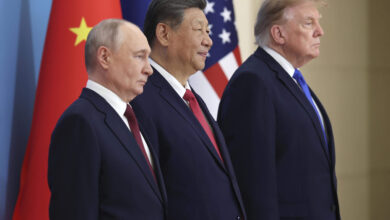

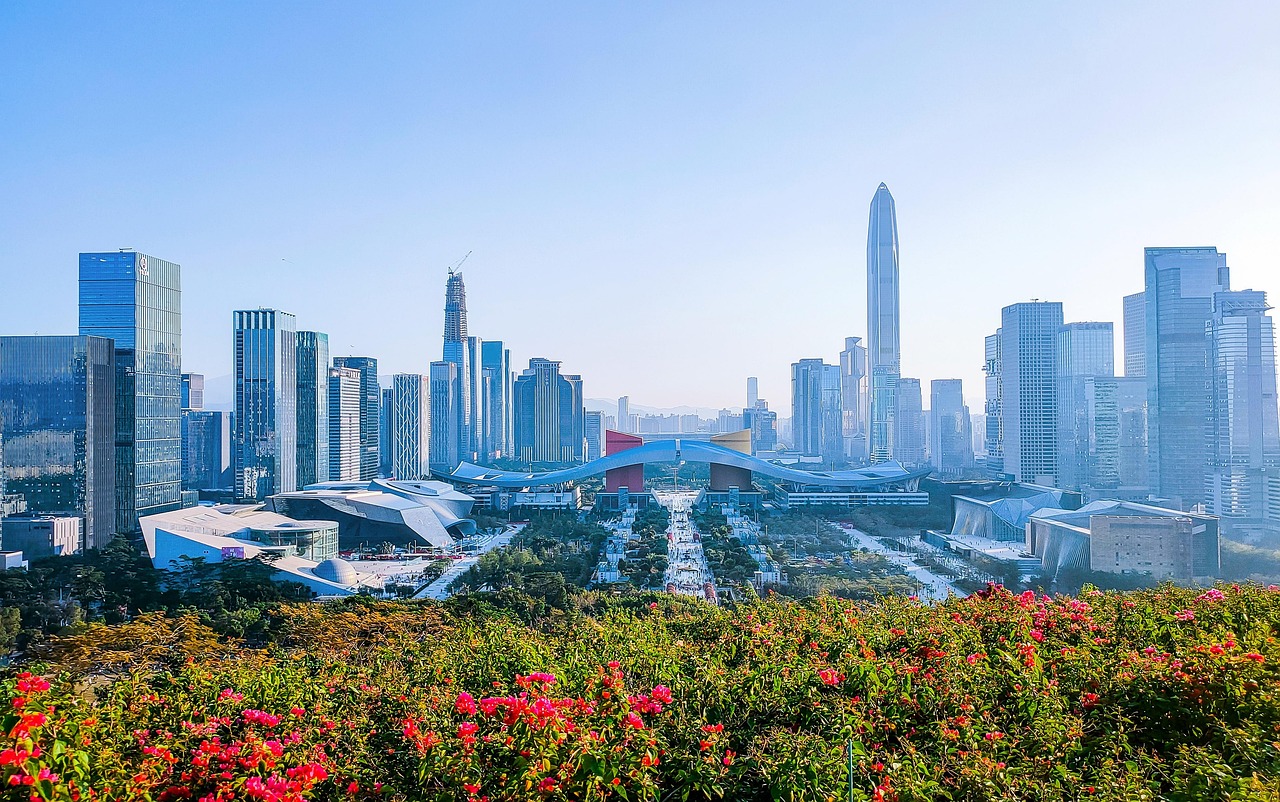
The summit, hosted by the Asia-Pacific Economic Cooperation (APEC) in Shenzhen, a city often described as one of China’s “Silicon Valleys” and a major hub for its internet and artificial intelligence sectors, offers Beijing a platform to present itself as a steward of multilateralism. In his opening address, President Xi called for greater cooperation around artificial intelligence and free trade, stating, “We should actively build partnerships for scientific and technological innovation, deepen cooperation in the digital economy and artificial intelligence and promote a green and low-carbon transition.” The agenda is expected to be dominated by trade, AI, and the Middle East conflict, with discussions centered on the Iran war and Russia’s war in Ukraine.
While the meeting is historic, expectations for concrete outcomes remain cautious. A spokesperson for China’s foreign ministry noted that the leaders are expected to hold “in-depth discussions on issues crucial for world peace and strategic stability.” The convergence of these three powers occurs amidst distinct national objectives. For the United States, the trip follows a three-day regional visit that began in Manila, where Trump met with key allies including Japan, India, and Australia. In the Philippines, Trump announced the conclusion of a “very big trade deal,” describing it as the largest the US has ever made and a “magnificent deal for both.” However, Manila has not yet confirmed any agreement, and trade negotiations were not listed in the official schedules provided by either Washington or the Philippine government. The Philippine ambassador to the US, Jose Manuel Romualdez, indicated that the US had made an offer, suggesting the announcement may have been premature or based on preliminary understandings.
The diplomatic landscape in Shenzhen is further complicated by the presence of other regional leaders, most notably Japanese Prime Minister Sanae Takaichi. Her attendance is her first official visit to China as prime minister, a move that carries significant weight given recent friction between Tokyo and Beijing. Takaichi’s recent moves to bolster Japan’s military and her comments suggesting Tokyo could intervene militarily if Beijing sought to forcibly take Taiwan have severely affected bilateral ties. In response, China imposed trade restrictions and urged its citizens not to travel to Japan, resulting in a roughly 50% drop in traffic this year. A formal one-on-one meeting between Takaichi and Xi is considered highly unlikely, although Japanese public broadcaster NHK reported that Xi would “personally greet her” before Wednesday’s banquet.
The economic dimensions of the summit are equally significant, particularly for nations seeking to reduce reliance on the United States. Canadian Prime Minister Mark Carney, who met with President Xi earlier in the week, announced that Canada and China are moving to give each other’s financial firms greater access to their markets. Carney emphasized the risks of over-reliance on single payment channels, stating, “When our businesses depend on too few currencies or single payment channels, disruption, when it comes, can spread quickly.” The two nations renewed a currency swap arrangement between their central banks and are issuing each other’s currencies. This re-engagement reflects Ottawa’s broader strategy to diversify its economic partnerships following years of strained relations.
Meanwhile, President Putin, who addressed the summit before Trump’s arrival, claimed that sanctions imposed on Russia have backfired and strengthened his nation. The trilateral meeting on Thursday will serve as a critical test of whether these three leaders can find common ground on issues ranging from arms control to regional security. North Korean leader Kim Jong-Un may also potentially attend the 21-member gathering, adding another layer of complexity to the diplomatic dynamics.

As the leaders prepare to convene on Thursday, the stakes extend beyond the immediate negotiations. The summit highlights a shifting geopolitical order where traditional alliances are being tested by economic pragmatism and strategic competition. For Trump, the trip represents an opportunity to solidify trade deals and manage relations with two major rivals. For Xi, it is a chance to position China as a central pillar of global economic stability and technological innovation. For Putin, it offers a stage to assert Russia’s resilience against Western pressure. The outcome of their talks will not only shape the immediate trajectory of conflicts in Ukraine and the Middle East but also signal the future direction of global cooperation in an era of increasing fragmentation.
In the end, the focus returns to the leaders themselves—Trump, Xi, and Putin—seated together in Shenzhen, where the weight of global expectations and the complexity of their diverging interests will determine whether this historic meeting yields tangible results or remains a symbolic milestone in an uncertain geopolitical landscape.