

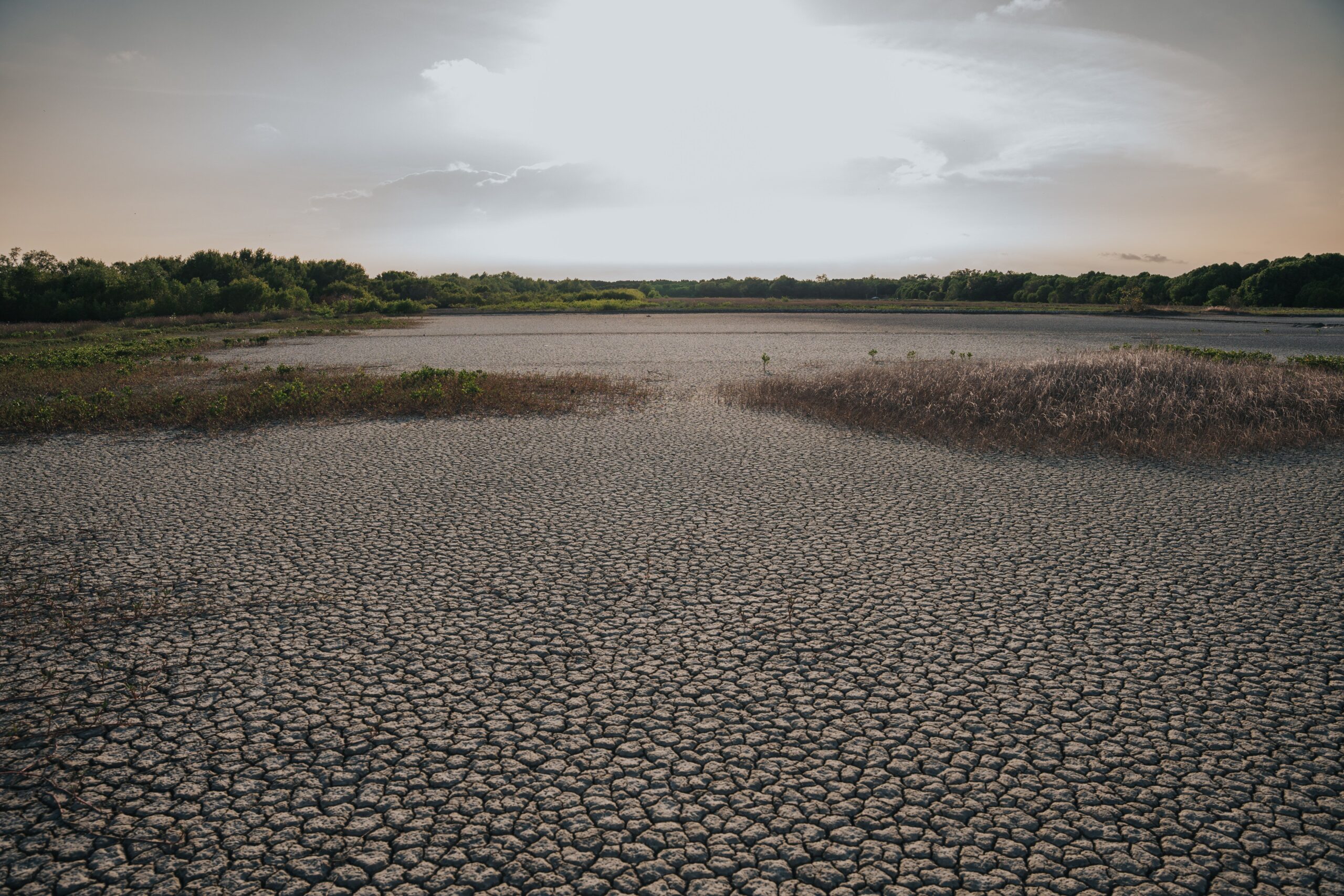
Climate experts suggest that the current super El Niño event is effectively acting as a time machine to the 2030s, offering a preview of the impacts that will occur if carbon emissions are not radically cut. This tangible evidence of worsening conditions sets the stage for the summit, where the draft agreement leans toward boldness. Australian Energy and Climate Minister Chris Bowen, leading negotiations, stated that the draft includes a faster fossil fuel phase-out, an earlier net-zero target, and increased funding for climate adaptation. “We need to send a message to the boardrooms and living rooms: boardrooms to keep investing, living rooms to give hope,” Bowen said, acknowledging that representatives are expected to deliver strong feedback on these accelerated timelines.
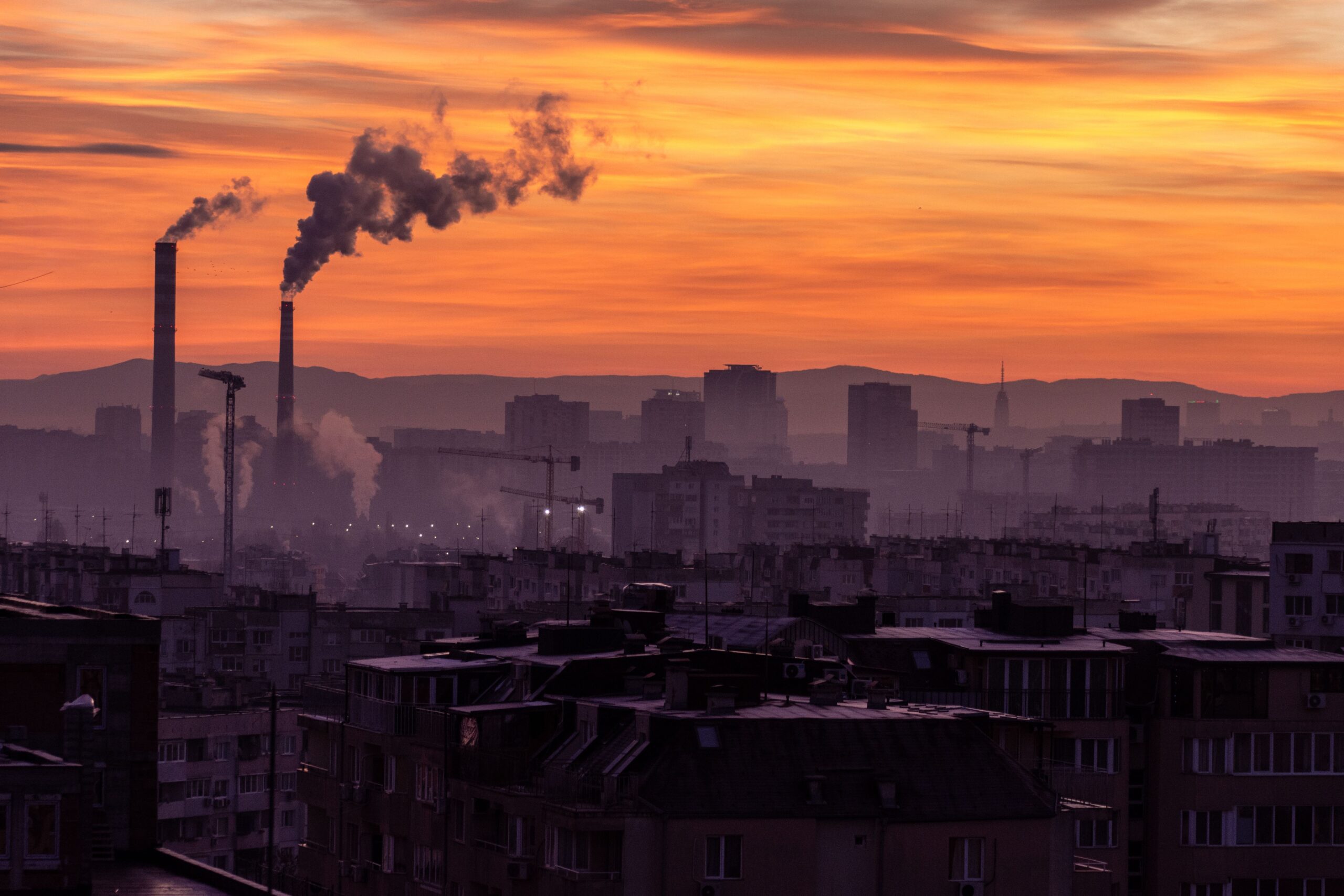
Yet, the path from draft language to final consensus is fraught with technical and political friction. A key point of contention is the proposal to increase electricity’s role in the global energy system. The COP31 presidency has pushed for a voluntary pledge to raise electricity’s share of global final energy demand to 35% by 2035, up from just over 20% currently. This electrification initiative aims to curb emissions by shifting transport, buildings, and industry toward more efficient electric devices, with the understanding that the cleaner the electricity source, the deeper the emission reductions.
However, Ashish Khanna, director general of the International Solar Alliance, warns that the initiative risks becoming an “empty idea” without detailed country-specific plans and financing. Khanna noted that the global analysis underpinning the 35% target does not reflect the varied circumstances of all nations. “It doesn’t mean that just announcing will make a difference,” Khanna explained, arguing that the target should have emerged from a “bottom-up assessment” of 40 or 50 countries across different economic archetypes. Opposition is stiff from the Like-Minded Developing Countries bloc, which includes major emitters such as China, India, and Bangladesh. This group opposes recognizing the specific pledge in the final text, leading to discussions about acknowledging the initiative without repeating the 2035 target or using more general language about accelerating electrification. Bowen characterized the inclusion of the target as “continuing the work,” rather than a guaranteed component of the final consensus.
The complexity of these negotiations is compounded by the absence of the United States, the world’s largest historical greenhouse gas emitter and currently the second-largest after China. The White House under President Donald Trump has officially skipped UN climate conferences for two years, advocating for fossil fuels as a source of energy security and dismissing the summit. Yet, America’s presence in Antalya is hard to miss. The “America Is All In” coalition, comprising roughly 120 delegates including Democratic governors, mayors, and members of Congress, has vowing to bring the US back to the Paris Agreement “with humility.”
This unofficial delegation represents a significant counter-narrative to the federal stonewall. Arizona Representative Yassamin Ansari acknowledged that the US “lost a great deal of trust” during the first Trump administration’s withdrawal from climate action. She stated that the delegation is focused on listening and preparing legislation to address climate change, signaling to international partners that cooperation could resume under future leadership. While local and state-level action continues, the challenge for these delegates is convincing other nations that a return to federal-level US cooperation would be sustained.
As the summit progresses, the gap between the scientific urgency—evidenced by the breakdown of the 1.5-degree threshold—and the political maneuvering over electrification targets and fossil fuel phase-outs remains wide. The “cover decision” of the talks, as one observer noted, is that “everything is on the table, nothing is agreed.” With the next year potentially bringing worse conditions due to the ongoing El Niño, the outcomes of COP31 will be measured not just by the text of the agreement, but by whether the ambitious drafts can survive the scrutiny of a divided global community facing a rapidly warming planet.




3 Comments