
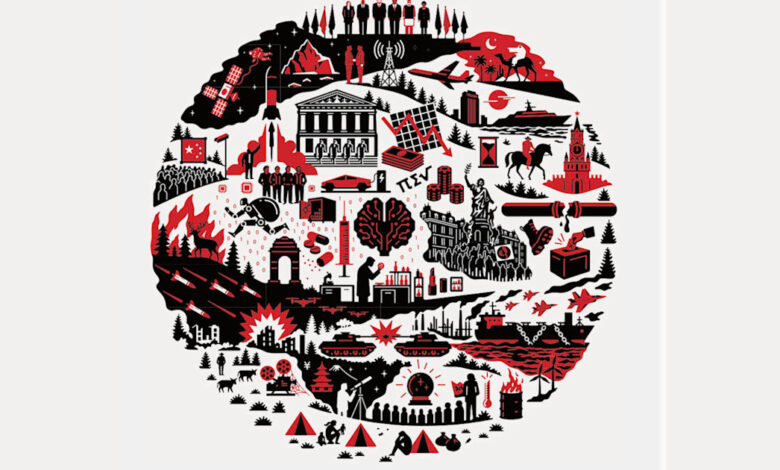
According to the report, the political aftershocks of Donald Trump’s presidency will extend well beyond his term. With Democrats expected to take charge of both chambers of Congress, Standage argues that Trump is unlikely to become a traditional “lame duck.” Instead, the analysis predicts he will become “even more aggressive and mercurial,” utilizing executive orders, legal spats, and sudden administrative changes to shape his legacy. This political turbulence is framed as a central economic variable, as the race to succeed him begins to take shape, creating uncertainty in U.S. policy that ripples out to international allies and markets.
The geopolitical landscape is equally fraught. The report highlights the lingering consequences of the Iran war, which has reshaped regional politics and reconfigured energy flows. A critical economic impact of this conflict is a shortage of fertilizers, which, combined with a “super El Niño,” threatens food security for millions. These supply-side shocks are expected to persist into 2027, adding pressure to global commodity markets. Furthermore, the publication notes a significant shift in strategic trust: America’s allies no longer trust it, while its enemies no longer fear it. This erosion of credibility complicates diplomatic stability and may force nations to seek alternative security and economic partnerships.
In Europe, the primary economic risk is identified as France’s fiscal position. The report warns that bond markets are already concerned about France’s unsustainable debt. The political question looming over the continent is whether voters in France will elect Marine Le Pen as their next president. A victory for Le Pen is described as a “political earthquake” for the European Union, likely to spook financial markets further and deteriorate relations between France and Germany, a cooperation that has traditionally been vital to European economic stability. The deepening sovereign debt problems in developed countries are cited as a compounding threat, suggesting that public sector imbalances will remain a source of volatility.

Simultaneously, the technology sector faces its own set of disruptions. The report states that “AI-led turmoil appears all but certain,” driven by growing worries about the impact of artificial intelligence on society and labor. This is not merely a technological trend but a political one, as the backlash against big tech firms is expected to grow. The political, financial, and cyber risks associated with AI will become more apparent as its capabilities expand, forcing regulators and businesses to navigate a landscape of rapid change and public skepticism.
On the environmental front, 2027 is poised to be the “hottest year ever, again,” with expectations of continued droughts, wildfires, and heat waves. The report notes an ironic development: President Trump has unwittingly become “the world’s greatest salesman for renewable energy,” a shift driven by the tangible economic and physical impacts of climate change. This environmental pressure interacts with the economic themes of the year, as energy security and resource availability become central to both domestic and foreign policy.
The economic implications of these trends are interconnected. The fertiliser shortages from the Iran conflict, the fiscal instability in France, and the political unpredictability in the U.S. create a backdrop of heightened risk for investors and consumers. The report does not offer specific price forecasts or GDP projections but emphasizes the structural shifts in power and trust. For instance, the military dimension of the year is highlighted by the assertion that Chinese leader Xi Jinping has set 2027 as the deadline by which the Chinese armed forces must be ready to seize Taiwan. While The Economist does not claim an invasion is certain, it notes that modern technology, as seen in Ukraine and Iran, has changed the nature of warfare, giving smaller states more capability to confront powerful adversaries. This military tension adds a layer of strategic risk to global supply chains and capital flows.
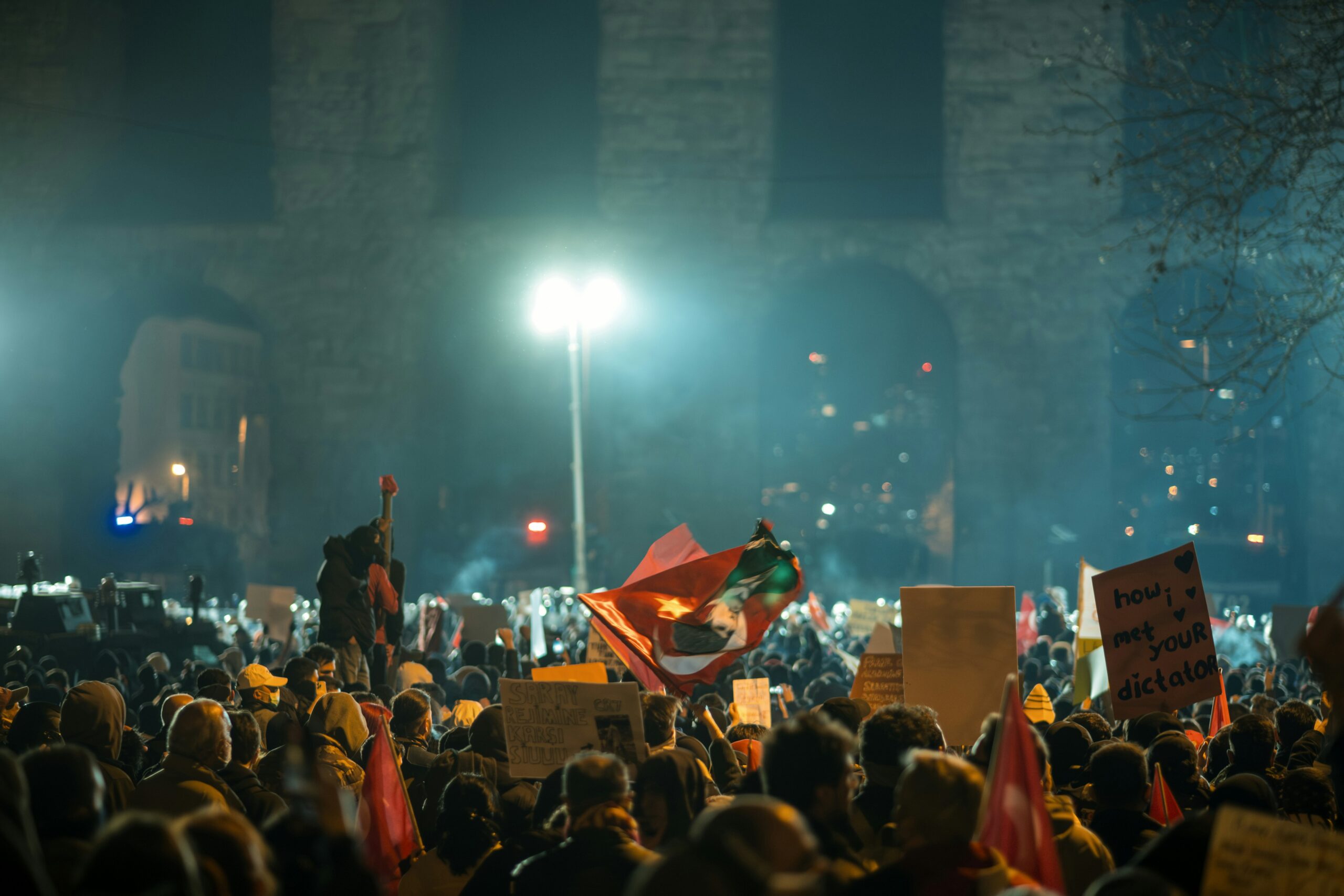
The publication’s ten key trends—ranging from the post-Trump era and Iran’s aftershocks to AI and weight-loss medications—serve as a checklist for the coming year. The inclusion of weight-loss medications signals the growing intersection of health, demographics, and economic consumption patterns. However, the dominant narrative remains one of disruption. The world is grappling with the transition from a unipolar order to a more fragmented, multipolar system where political shocks are likely and financial instability is a constant threat.
As the year approaches, the focus will remain on the interplay between domestic U.S. politics and global reactions. The next major pressure points to watch are the French presidential election, the trajectory of U.S. executive actions post-transition, and the tangible effects of the fertiliser shortage on global food prices. The Economist’s forecast suggests that 2027 will not be a year of calm adjustment, but one of active upheaval, where the decisions made in Washington, Paris, and Beijing will determine the stability of the global economic order.


One Comment