
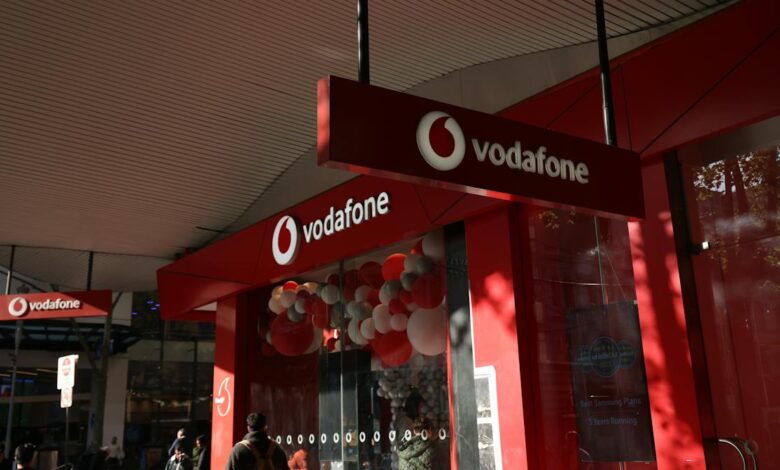
The disruption was not merely a local inconvenience; it represented a cascading failure across a significant portion of the Australian mobile market. According to crowd-sourced tracker DownDetector, complaints peaked at more than 8,200 simultaneous reports. The outage affected Vodafone’s own subscribers as well as millions of users on TPG, iiNet, Internode, and Lebara. These budget carriers operate as MVNOs, meaning they lease airtime and infrastructure from host networks rather than building their own towers and core networks. In this case, the sources confirm that these MVNOs had no independent fallback architecture. When Vodafone’s hub failed, the services of every dependent carrier failed with it, a structural dependency that is not prominently disclosed to consumers at the point of sale.
Vodafone, a subsidiary of TPG Telecom, confirmed in a statement to Reuters that the disruption was caused by a power outage at one of its network hubs. “Most services have now been restored; however, some may continue to experience intermittent issues as devices reconnect,” the company said. The carrier noted that the issue was isolated and resolved, though it did not specify the geographic location of the affected hub. During the peak of the outage, many users reported that their devices defaulted to SOS mode, indicating a complete loss of connection to the Vodafone network. Vodafone also stated that the outage should not have impacted customers’ ability to access Triple Zero (000) emergency services, although the carrier’s own online network status checker briefly displayed generic error messages due to the same infrastructure failure.

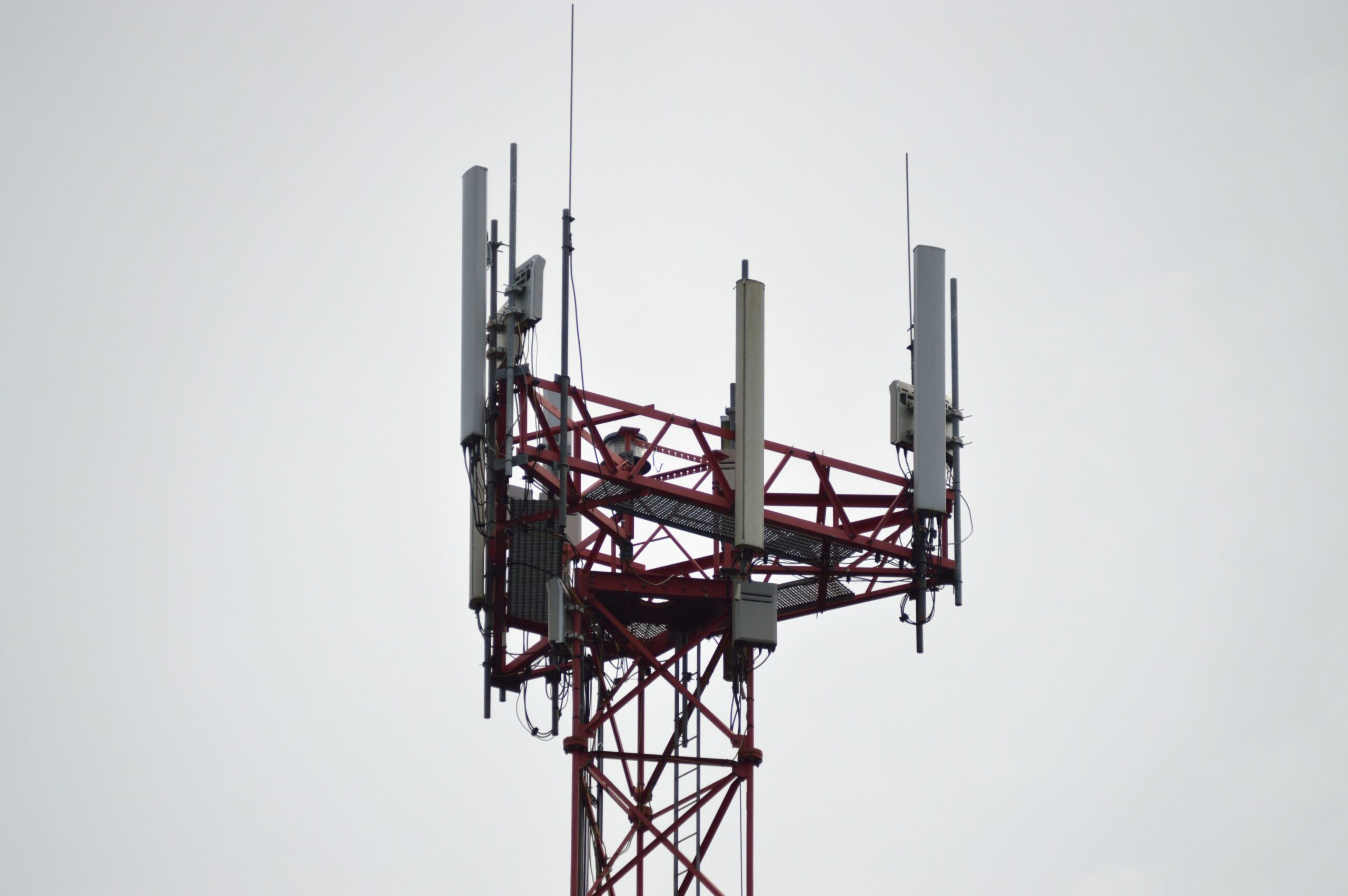
Telecommunications experts cited in the reports suggest the incident highlights a fundamental design flaw: the reliance on a centralized “core network.” In a decentralized architecture, a failure at one facility would automatically switch traffic to an alternative facility, improving resilience. However, the nationwide nature of the outage indicates that Vodafone’s network includes a single point of failure where a fault in one hub can trigger a cascading system failure across the entire country. A power outage, while seemingly unlikely in an era of widespread backup power and battery installations, proved sufficient to take critical equipment and systems offline, leading to a multi-hour national blackout.
The timing of the outage has intensified scrutiny from regulators and consumers. Just 12 days after this incident, on June 30, 2026, new mandatory outage transparency rules from the Australian Communications and Media Authority (ACMA) will take effect. These regulations require all telecommunications providers to publish registers of resolved outages going back to March 31, 2026. The June 18 failure falls squarely within this reporting window, meaning it will be part of the public record under the new transparency regime. This follows a pattern of recent major telecommunications outages in Australia, including a significant broadband outage last year caused by a power failure at a TPG data center in Sydney.
The incident also raises questions about recent marketing claims. In March, TPG’s Chief Marketing Officer, Bec Darley, stated in an interview with The Australian that “any previous network issues no longer exist,” coinciding with a major marketing campaign featuring comedian Ali Wong that positioned Vodafone as offering better value and coverage than competitor Telstra. Following the June 18 outage, a Vodafone spokesperson told The Conversation that the company is “reviewing this incident and working to strengthen the resilience of our network to help prevent a recurrence.” However, many customers reported that restarting their phones, as recommended by Vodafone, did not resolve the issue, and some users noted service disruptions lasting up to seven hours despite the carrier’s claim of restoration by 11 am.
The broader implications extend beyond immediate customer frustration. The exposed vulnerability of MVNOs to host network failures underscores a market structure where competition may be limited at the infrastructure level. While customers can choose between different brands, they may ultimately be relying on the same physical and logical network core. As ACMA’s new transparency rules begin to apply, the industry faces increased pressure to disclose not just the fact of outages, but the underlying structural risks that affect millions of users simultaneously.