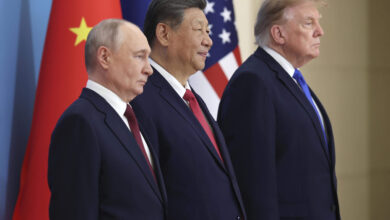
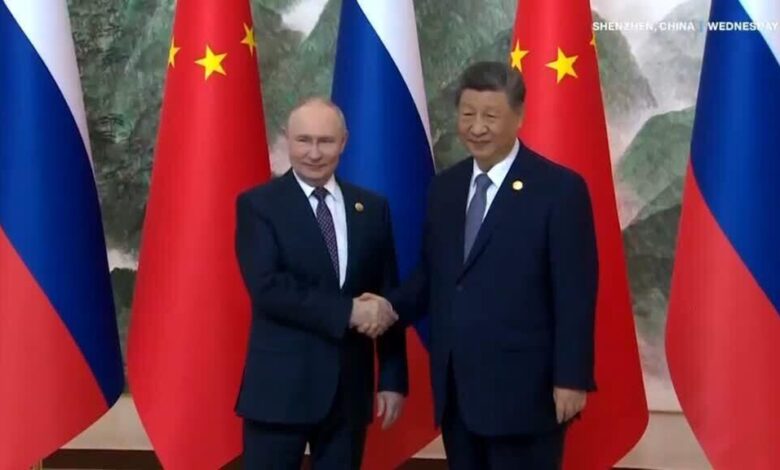
The timing of this bilateral summit is critical. It coincides with the arrival of US President Donald Trump in China for trilateral talks involving Xi and Putin. The presence of all three leaders in the same geographic hub during the APEC window creates a rare diplomatic configuration that observers are watching closely for signals regarding the broader economic order. While the source material does not detail specific trade agreements, tariff adjustments, or investment packages signed during this specific encounter, the emphasis on “political and military” ties suggests that the relationship is being framed through a security lens that often underpins long-term economic alignment, particularly in areas sensitive to Western sanctions or regulatory divergence.
For the global trading environment, the deepening of ties between Beijing and Moscow carries implications for energy security, technological cooperation, and the reorientation of supply chains. Historically, closer political alignment between Russia and China has facilitated trade in energy resources, with China becoming a major buyer of Russian oil and gas. However, the current context, marked by the explicit mention of military ties, signals a consolidation of a bloc that operates somewhat outside the frameworks of Western-led institutions. This does not necessarily imply an immediate rupture in Western-Russia trade, which has already been severely restricted by sanctions, but it reinforces the structural shift toward non-Western economic partnerships.
The arrival of President Trump introduces a variable of direct negotiation. Trilateral talks are uncommon in recent diplomatic history, particularly involving these three specific actors. The economic significance lies in the potential for a coordinated approach to global economic management or, conversely, a clearer demarcation of competing spheres of influence. If the political and military ties urged by Xi and Putin are solidified, it may lead to further integration of their economic systems, potentially affecting global markets for commodities, technology, and logistics. Conversely, the presence of the US President suggests an attempt to maintain or re-establish channels of direct communication and potentially negotiate on trade barriers or economic policy differences.
It is important to distinguish between the strategic intent reported in the meeting and the immediate measurable economic outcomes. The source does not provide data on changes in export volumes, currency fluctuations, or specific investment flows resulting from this Wednesday’s meeting. The focus remains on the diplomatic posture: a push for deeper integration between China and Russia, occurring simultaneously with a high-level US engagement in the region. Businesses and investors may interpret this as a signal of stable, albeit complex, long-term relations between Beijing and Moscow, which could influence investment decisions in sectors linked to both economies, such as energy, infrastructure, and defense-related industries.
The APEC summit serves as the backdrop, a forum where economic leaders from the Asia-Pacific region gather to discuss trade and economic growth. However, the headline news is dominated by the geopolitical maneuvering of the top three world powers. The lack of detailed economic announcements in the immediate report suggests that the primary focus of the leaders was on establishing the political and security framework within which future economic interactions will occur. This framework is likely to influence trade policies, customs rules, and investment regulations in the coming months, affecting how goods and services move between these major economies and their partners.
Uncertainties remain regarding the concrete economic impacts of these diplomatic moves. Whether the “closer political and military ties” will translate into new trade agreements, joint ventures, or shifts in supply chain dependencies is not yet clear from the available information. The market response, if any, will depend on how these political signals are interpreted by traders and investors over the coming days. The immediate effect is one of heightened geopolitical attention, with the economic implications contingent on the outcomes of the trilateral talks and any subsequent bilateral follow-ups.
Looking at the broader picture, the convergence of these leaders in Shenzhen underscores the evolving nature of global economic governance. The traditional Western-centric model is being challenged or supplemented by alternative frameworks forged through direct political and military alignment. For households and workers, the immediate impact is indirect, mediated through long-term trends in energy prices, technological access, and global stability. The next key development to watch is the outcome of the trilateral talks, which may provide more concrete signals on trade policy, economic cooperation, or the management of geopolitical tensions that affect global markets.