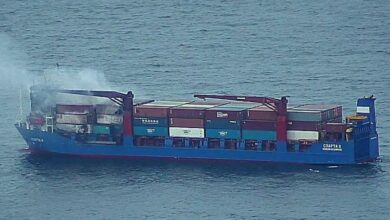
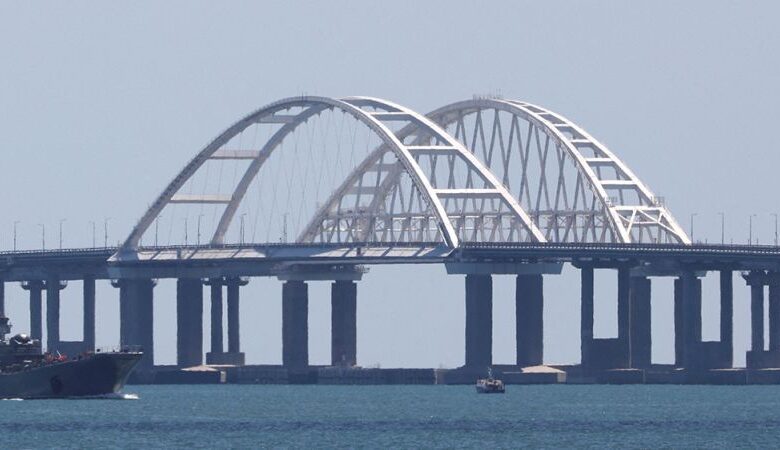
The latest strike is the most recent in a series of escalating engagements that have severely damaged the $3.7 billion structure, which connects the Russian mainland to the Crimean Peninsula. Earlier in the week, on November 17, a combined Ukrainian drone and missile attack resulted in the collapse of a key section of the roadway. According to Ukrainian officials and the military in Kyiv, this initial major strike was the culmination of a seven-stage operation. President Volodymyr Zelenskyy described these strikes as “unprecedented” and framed them as retaliation for Moscow’s targeting of Ukrainian infrastructure. The section of the double-arched bridge, which is nearly 12 miles long and the longest crossing in Europe, now lies on the seabed, a fact verified by BBC Verify’s analysis of footage showing the final moments of the collapse.
The strategic significance of the Crimean Bridge extends beyond its symbolic value as a monument to Russia’s 2014 annexation of the peninsula. It serves as a critical logistical artery for Russian forces stationed in Crimea. Designed to handle 40,000 cars per day and move 13 million tons of cargo annually, the bridge is a primary supply route for troops heading toward the front lines. While Russian forces have struggled to maintain the bridge’s full operational capacity, Ukrainian attacks have brought them closer to disrupting this vital link. Kremlin spokesman Dmitry Peskov has attempted to minimize the impact, claiming the bridge “will be rebuilt, and it will be even better than before,” according to Russian state news agency TASS. However, the repeated targeting indicates a sustained Ukrainian effort to degrade Russian logistical capabilities in the region.

The timing of these attacks coincides with a significant diplomatic development. The strikes occurred just before a trilateral meeting between US President Donald Trump, Russian President Vladimir Putin, and Chinese President Xi Jinping at the Asia-Pacific Economic Cooperation (APEC) summit in Shenzhen. This high-level engagement occurred while, in Berlin, the “Coalition of the Willing” convened to discuss the war, with attendance from European allies and US envoys Steve Witkoff and Jared Kushner. The juxtaposition of intense military action on the bridge with high-level diplomatic talks underscores the complex interplay between battlefield dynamics and geopolitical negotiations.
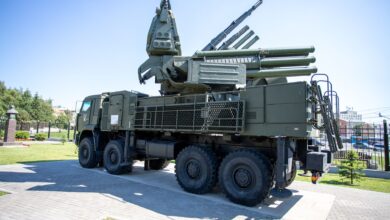
Broader regional impacts are also evident. Russia’s Defense Ministry claimed that its forces shot down at least 53 Ukrainian drones overnight, intercepting craft over multiple regions including Belgorod, Voronezh, Kursk, Lipetsk, Oryol, Rostov, Ryazan, Smolensk, Tula, and the Republic of Tatarstan. In Tatarstan, officials reported that oil storage tanks near the city of Almetyevsk were hit overnight. Conversely, Ukraine’s air force reported that Russia launched 98 drones, 61 of which were jet-powered, into Ukrainian airspace. The conflict’s human cost remains high; Odesa Governor Oleh Kiper confirmed that at least four people were killed in a Russian drone attack on the southern city on Wednesday, an incident officials described as “brutal and deliberate… directly targeting people and their lives.”
As damage assessments continue on the Crimean Bridge, the focus remains on the structural integrity of the remaining sections and the potential for further disruption to Russian supply lines. The next confirmed development will likely involve the results of the diplomatic discussions in Shenzhen and Berlin, as well as any announcements regarding repairs or further military operations in the region.