
Ukrainian authorities confirmed that eight people died in the overnight attacks. While the initial report from Ukraine’s State Emergency Service (DSNS) cited six fatalities, subsequent reporting from The Jerusalem Post indicates the death toll rose to eight. The strikes caused damage to the buildings of the Austrian and Dutch embassies in Kyiv. The Dutch government summoned the Russian ambassador to protest the incident, noting that a projectile landed near the Dutch embassy building, causing slight damage. No staff members from either the Austrian or Dutch embassies were harmed in the attacks.
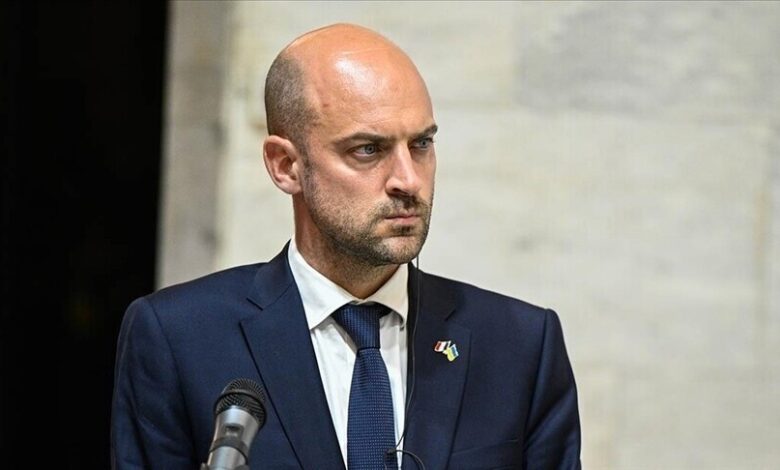
Barrot characterized the attacks as crimes, stating that France condemns them “in the strongest possible terms.” He asserted that Russian President Vladimir Putin believes he is above the rules, a premise France rejects. “We will not let up on the pressure,” Barrot wrote, expressing solidarity with the peoples of Austria, the Netherlands, and Ukraine. The United Kingdom also responded to the developments, with Ambassador Holland condemning Russia’s latest attacks across Ukraine in a statement to the Organization for Security and Co-operation in Europe (OSCE). The UK statement highlighted that the attacks killed and injured civilians while damaging diplomatic premises.
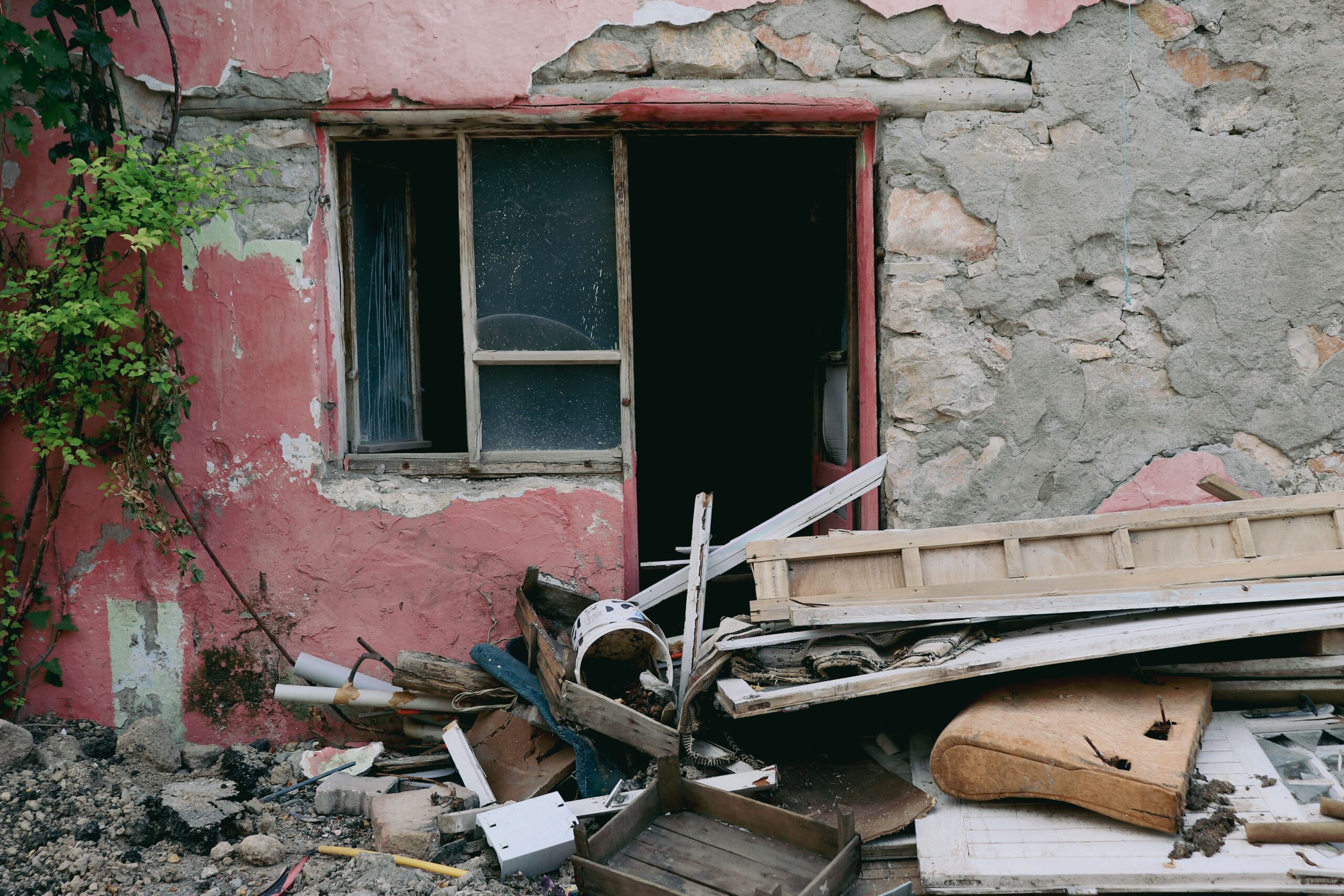
The damage to diplomatic facilities represents a significant escalation in the direct threat to international representation in Kyiv. The involvement of multiple Western embassies in the blast radius of the missile strikes has drawn formal diplomatic protests and heightened scrutiny from European governments. While the specific details of the missile trajectories remain under investigation, the confirmed impact on sovereign diplomatic property has intensified calls for international accountability.
The UN Security Council has been formally requested to convene to address the violations. The next step involves the scheduling of this emergency session to determine the international community’s immediate response to the damage inflicted on diplomatic missions and the loss of civilian life.



One Comment