
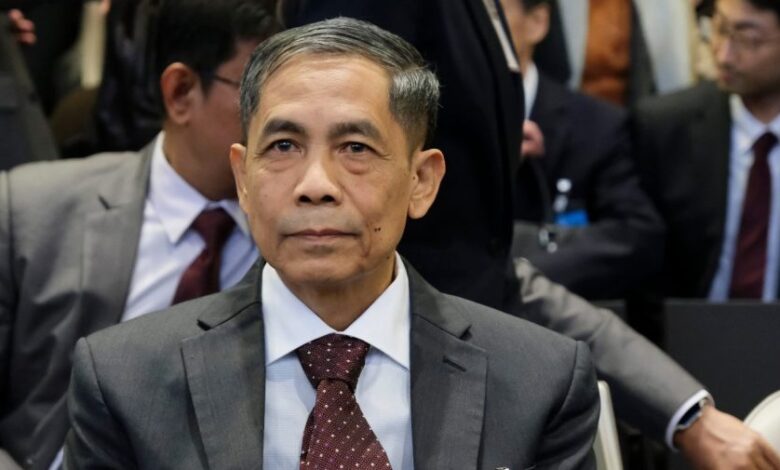
The significance of this decision lies not only in the attribution of criminal conduct to a sovereign state but also in the procedural clarity it provides for future accountability mechanisms. By grounding its judgment in the Genocide Convention, the ICJ has articulated the legal standards that define genocide, specifically in the context of military campaigns described as clearance operations. The ruling serves as a critical reference point for other international bodies and national courts that may be tasked with addressing similar violations of human rights and international humanitarian law.
The principal legal question before the Court was whether the actions taken by Myanmar’s security forces in 2017 met the legal threshold for genocide. Under international law, genocide is defined as acts committed with the specific intent to destroy, in whole or in part, a national, ethnical, racial or religious group. The Court’s analysis focused on the scale and nature of the violence, which resulted in thousands of fatalities. By finding that genocide occurred, the ICJ affirmed that the systematic nature of these operations was not merely a humanitarian crisis but a violation of the fundamental obligations of a state to protect its population from such destruction.
In addition to finding that genocide was committed, the Court addressed the issue of evidence preservation. The ruling stated that Myanmar violated its obligation to prevent the destruction of evidence in connection with the allegations of genocide. This aspect of the judgment is procedurally vital, as it highlights the duty of states to maintain the integrity of judicial processes. The destruction of evidence hinders the ability of international tribunals to fully adjudicate cases and undermines the pursuit of justice for affected communities. By highlighting this violation, the ICJ reinforces the principle that states cannot obstruct international legal proceedings by removing or altering records of their own actions.
The decision affects the parties involved in several ways. For Myanmar, the ruling establishes a formal legal record of its failure to uphold the Genocide Convention. While the ICJ does not impose criminal penalties on individuals, its judgments are binding on the states involved. Myanmar is now legally recognized as having breached its international obligations, which may influence its diplomatic standing and its interactions with other international institutions. For the Rohingya population, the ruling provides a form of legal recognition of their suffering and the severity of the crimes committed against them. It validates the claims that have been presented to the international community for years, offering a sense of closure, albeit partial, in a process that continues to unfold.
What remains unresolved is the question of individual accountability and the specific reparations that may follow. The ICJ’s ruling addresses state responsibility, but it does not replace the work of the International Criminal Court (ICC) or other mechanisms focused on prosecuting individuals. The distinction between state and individual liability is a key feature of international law, and this judgment does not preclude future criminal trials for those who may be found responsible for planning or executing the genocide. Furthermore, the issue of repatriation and the status of Rohingya refugees remain complex political and legal challenges that this ruling does not directly resolve.
The Court’s finding that Myanmar violated its obligation to prevent the destruction of evidence suggests a pattern of obstruction that may complicate future investigations. This violation underscores the difficulty in securing justice in contexts where the state itself is the alleged perpetrator. The ICJ’s role in such cases is often limited to adjudicating disputes between states, and its ability to enforce its rulings depends largely on the political will of the parties involved and the broader international community.
As the legal process continues, the focus will likely shift to how this ruling is implemented and interpreted by other international bodies. The judgment sets a precedent for the application of the Genocide Convention in similar contexts, potentially influencing cases involving other state-sponsored atrocities. The next confirmed legal steps will depend on the reactions of the parties involved and the actions of international institutions tasked with monitoring compliance with the ICJ’s decision.
Returning to the moment of the ruling, the ICJ’s determination that Myanmar committed genocide against the Rohingya Muslims is a stark reminder of the power of international law to define and condemn state violence. While the ruling does not end the suffering of the affected population, it establishes a foundational legal truth that may guide future efforts to seek accountability and justice. The story of the Rohingya continues, but the legal landscape has been permanently altered by this decision.