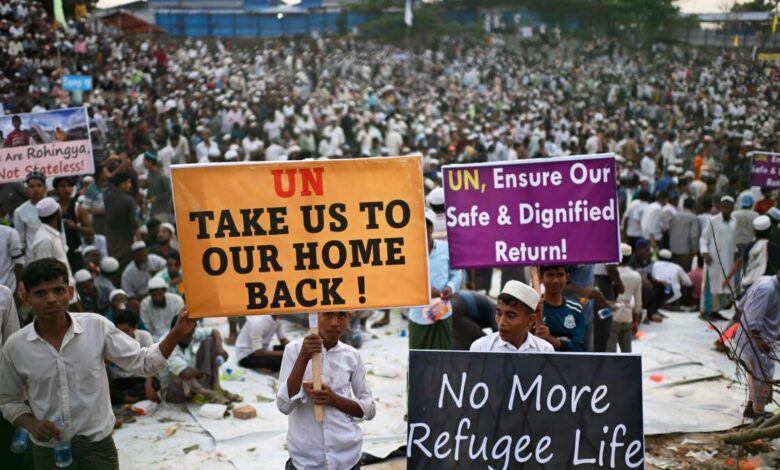
ICJ President Yuji Iwasawa stated that the military’s actions were “characteristic of an intent to destroy a substantial part of the group.” The court rejected Myanmar’s defense that the 2017 campaign was a legitimate operation against insurgents. Judges noted that the execution of men and boys, widespread sexual violence, the targeting of children, and the methodical burning of villages were inconsistent with counterinsurgency operations. The panel found that security forces acted with genocidal intent, supported by an atmosphere of anti-Rohingya hate speech that portrayed the community as “sub-human.”
The case was brought by Gambia in 2019, requesting the court rule that Myanmar breached the Genocide Convention and order the punishment of those responsible. The court’s judgment follows seven years of proceedings, during which judges weighed evidence regarding the scale and nature of the military’s actions. The verdict confirms that the 2017 clearance campaign, launched in August 2017 in response to an insurgent attack, resulted in mass atrocities rather than merely containing regional unrest.
According to the court’s findings, approximately 815,000 Rohingya lived in northern Rakhine State prior to the operations. The judges concluded that around 10,000 were violently killed during the 2017 campaign. The ruling highlights that the violence was preceded by dehumanizing rhetoric and involved the bulldozing of villages and the corralling of the population. The court emphasized that the evidence, taken together, supports a reasonable inference of systematic intent to destroy a significant part of the Rohingya population.
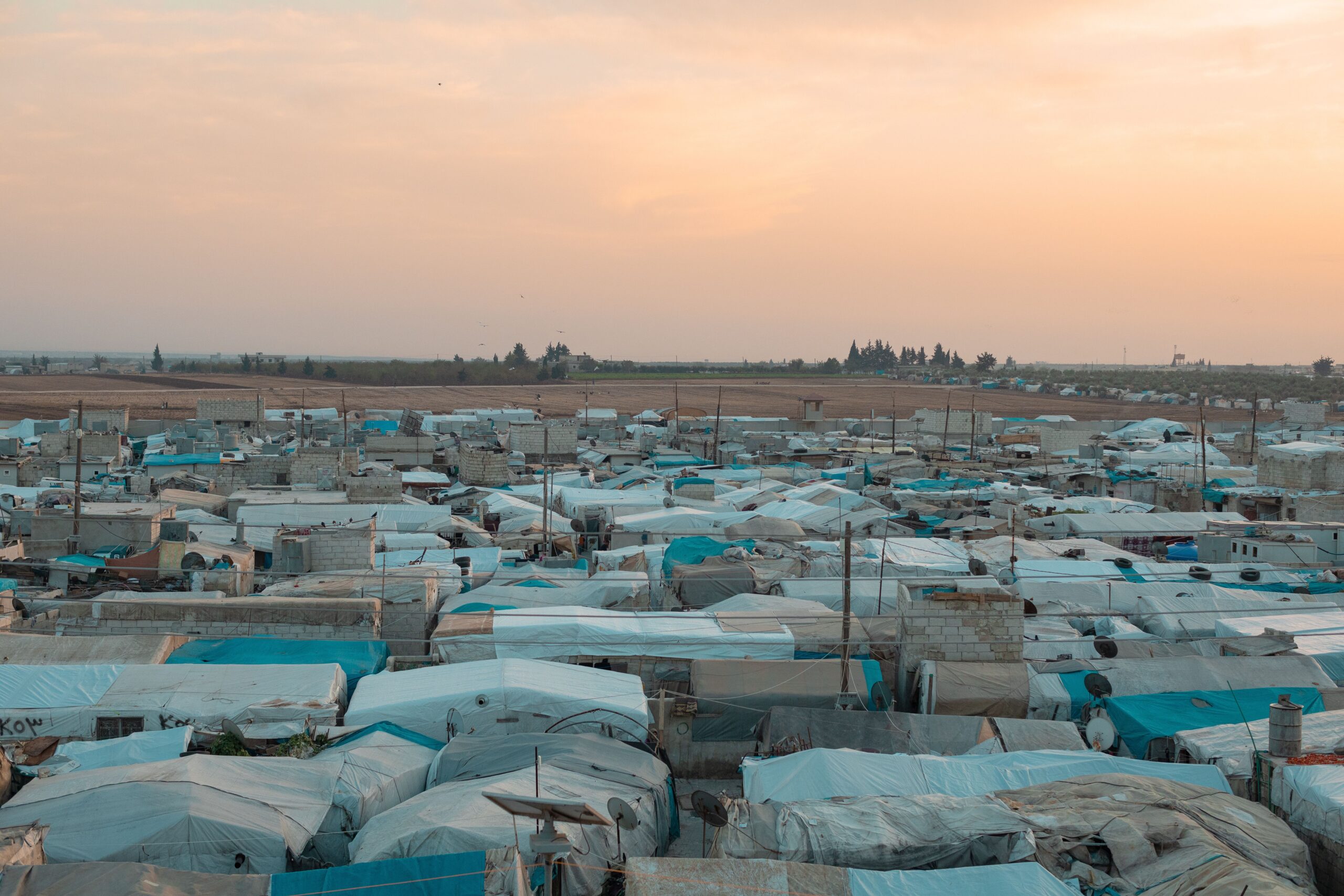
The 2017 attacks triggered the largest movement of people in modern history, with hundreds of thousands fleeing to Bangladesh. Rohingya refugees in Cox’s Bazar, Bangladesh, watched the verdict via screen, noting the long wait for justice. Yasmin Ullah, a Rohingya rights activist present in the Great Hall of Justice, described the day as significant for all oppressed people. Former UK Foreign Minister Jeremy Hunt stated that the court confirmed the Myanmar government planned genocide and called for an international coalition to ensure consequences for the regime.
The ruling is expected to have implications for other politically charged cases, including allegations of genocide brought against Israel regarding its actions in Gaza. The ICJ’s precedent-setting decision establishes that state-sponsored violence meeting specific thresholds constitutes genocide under international law, regardless of the state’s claimed military objectives. The judgment does not impose specific penalties but affirms the legal responsibility of the Myanmar state for the crimes committed.
The next step involves the implementation of the court’s findings, with international actors expected to determine how to enforce the ruling and address the ongoing humanitarian crisis in the region.