The immediate catalyst for the recent sharp rally was the parliamentary election held on 12 April, in which Viktor Orbán lost his sixteen-year hold on power to Péter Magyar, who secured a two-thirds majority. For currency markets, this result triggered a full repricing of Hungarian political risk. Under previous leadership, Hungary had been in prolonged confrontation with the European Union over rule-of-law standards, resulting in billions of euros in frozen structural funds. Markets now view a pro-EU government with a reform mandate as creating a credible path to normalizing relations with Brussels and unlocking those frozen funds, thereby removing the long-standing political risk premium on Hungarian assets.
This political shift coincides with a strong, steady upward trend for the forint that has persisted for weeks. The MNB has maintained its base rate at 6.5 per cent for a full year, with the Monetary Council repeatedly emphasizing the importance of the exchange rate in its interest rate decisions. Analysts attribute the appreciation primarily to this firm central bank communication and secondarily to international developments, including the broader weakening of the US dollar. The MNB’s disciplined approach has provided a stable foundation for the currency’s rise, complementing the positive political outlook.

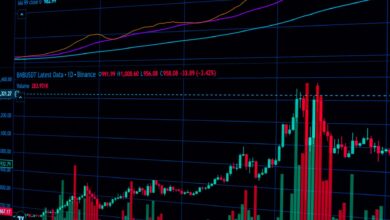
The forint’s performance is part of a wider global divergence from the US dollar, driven by the Federal Reserve’s inability to cut rates amidst war-driven inflation and energy shocks. While the Fed has stayed put, other central banks, including the Reserve Bank of Australia and those in commodity-exporting nations, have moved hawkishly or benefited from improved terms of trade. The Brazilian real leads this group with an 11% gain, followed by the Australian dollar and Norwegian krone, both up nearly 7%. The forint’s 6.32% gain places it firmly in this cohort of currencies benefiting from the Fed’s stagnant stance and regional political or commodity tailwinds.
Market data indicates that the post-election rally in Hungary has been particularly pronounced in the long end of the curve. ING’s EMEA FX and Fixed Income Strategist Frantisek Taborsky noted on 14 April that rates outperformed bonds, while the forex appreciation was slower than expected. This suggests that heavy positioning had already been built in the market prior to the vote, anticipating the political shift. The combination of a reform-minded government, a stable central bank policy rate, and a global environment favorable to non-dollar currencies has created a robust support structure for the forint.

The currency has also benefited from external safety nets, including a currency-swap deal agreed between Prime Minister Viktor Orbán and US President Donald Trump in November. Such arrangements are designed to prevent foreign-currency shortages and bolster central-bank reserves, providing a “financial shield” that deters speculative attacks. Although the swap line may not be drawn upon, its existence contributes to market confidence in the currency’s resilience.
With the new government now in place, the focus shifts to the implementation of reforms aimed at restoring full access to EU funds. The next major data releases and policy meetings from the MNB will be closely watched by investors to gauge the sustainability of the current monetary stance. The forint’s ability to maintain these gains will depend on the effectiveness of the new administration in resolving EU disputes and the continued global trend of a weaker US dollar.