
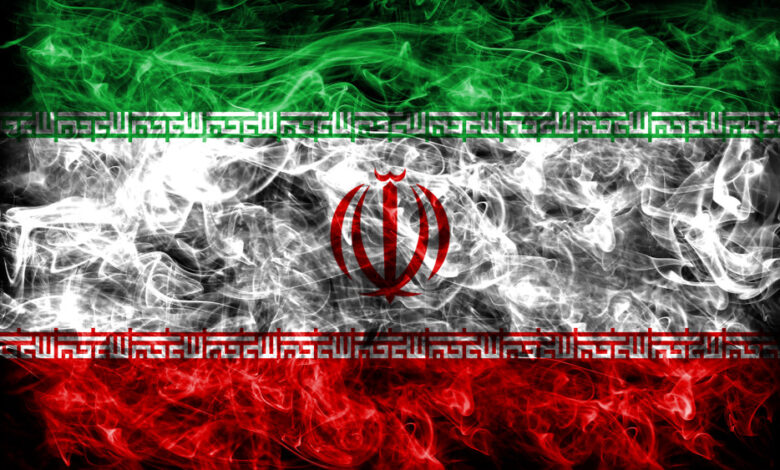
The surge in attacks comes at a complex moment for global energy markets. While physical disruptions to shipping are increasing, crude oil prices are sliding amid expectations of oversupply within months. This divergence highlights a market caught between immediate geopolitical risk and longer-term supply dynamics. The number of attacks in October soared to the highest level since the Iran war began at the end of February, and the frequency has persisted into November. However, it remains unclear to what extent the recent decline in crude oil volumes flowing from the Strait is attributable solely to these attacks versus other market factors.
The economic ripple effects of this maritime attrition are already visible in the shipping industry. Maria Bertzeletou, Senior Market Analyst at Signal Group, noted that security risks are weighing heavily on tanker operations. “Repeated attacks continue to restrict the pool of owners willing to accept Gulf employment,” she explained. For shippers, this translates into tangible financial pressures: elevated war-risk insurance costs and operational delays are adding to voyage expenses and limiting effective vessel availability. The uncertainty is compounded by the fact that not all incidents are being reported to the UK Maritime Trade Operations (UKMTO) or the International Maritime Organization (IMO), meaning the true scale of the disruption may be higher than official tallies suggest.
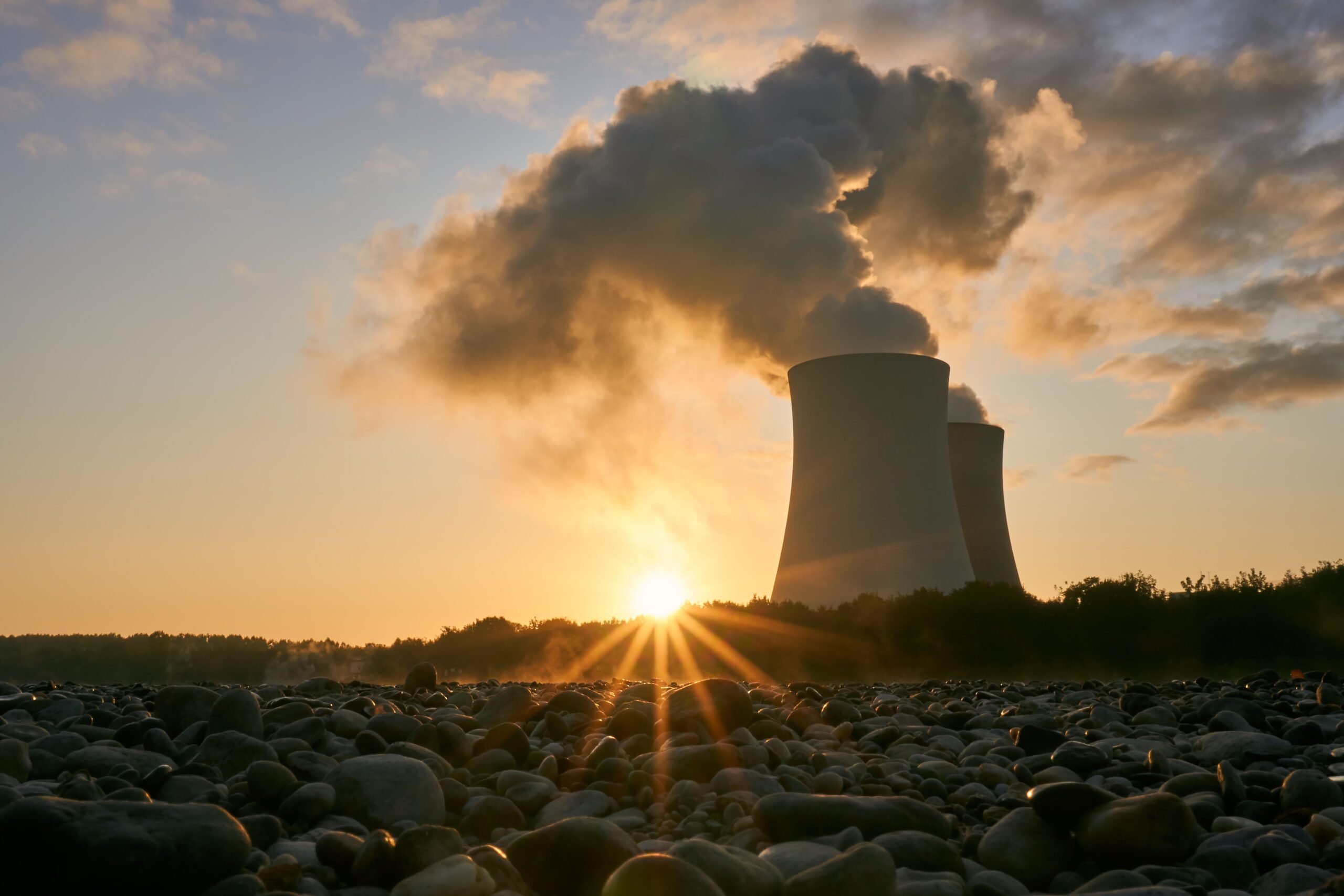
Simultaneously, a parallel standoff is unfolding regarding Iran’s nuclear program. On Friday, Reza Najafi, Iran’s ambassador to international organizations in Vienna, addressed the International Atomic Energy Agency’s (IAEA) Board of Governors. He stated that Iran would not grant access to its nuclear sites and materials to UN inspectors while facing continued U.S. threats of military strikes. “We will not accept being bombed on the one hand while being asked in a tone of entitlement, on the other, to provide detailed information about our materials and sites and grant unrestricted access to them,” Najafi said, as carried by Iran’s Mehr news agency.
This refusal has created an eighteen-month gap in the IAEA’s ability to verify Iran’s nuclear activities. IAEA Director General Rafael Mariano informed the Board that the agency has neither received information from Iran regarding the status of its declared nuclear material nor had access to facilities to conduct in-field verification. Najafi attributed this loss of continuity to the “massive unlawful military attacks” on Iranian safeguarded facilities by the U.S. and Israel in June 2025. In a report circulated among diplomats earlier this month, Iran argued it is not obliged to allow monitoring and verification while under threat.
The intersection of these two fronts—maritime warfare and nuclear opacity—presents a significant risk profile for global energy security. While the sliding oil prices suggest that market participants are currently prioritizing oversupply concerns over immediate supply cut-offs, the potential for sudden escalation remains high. Windward’s analysis suggests that Iran’s strategy of maritime attrition is unlikely to ease unless diplomatic conditions change. The refusal to engage with the IAEA further complicates any potential diplomatic off-ramps, as the lack of verification data removes a key tool for de-escalation.
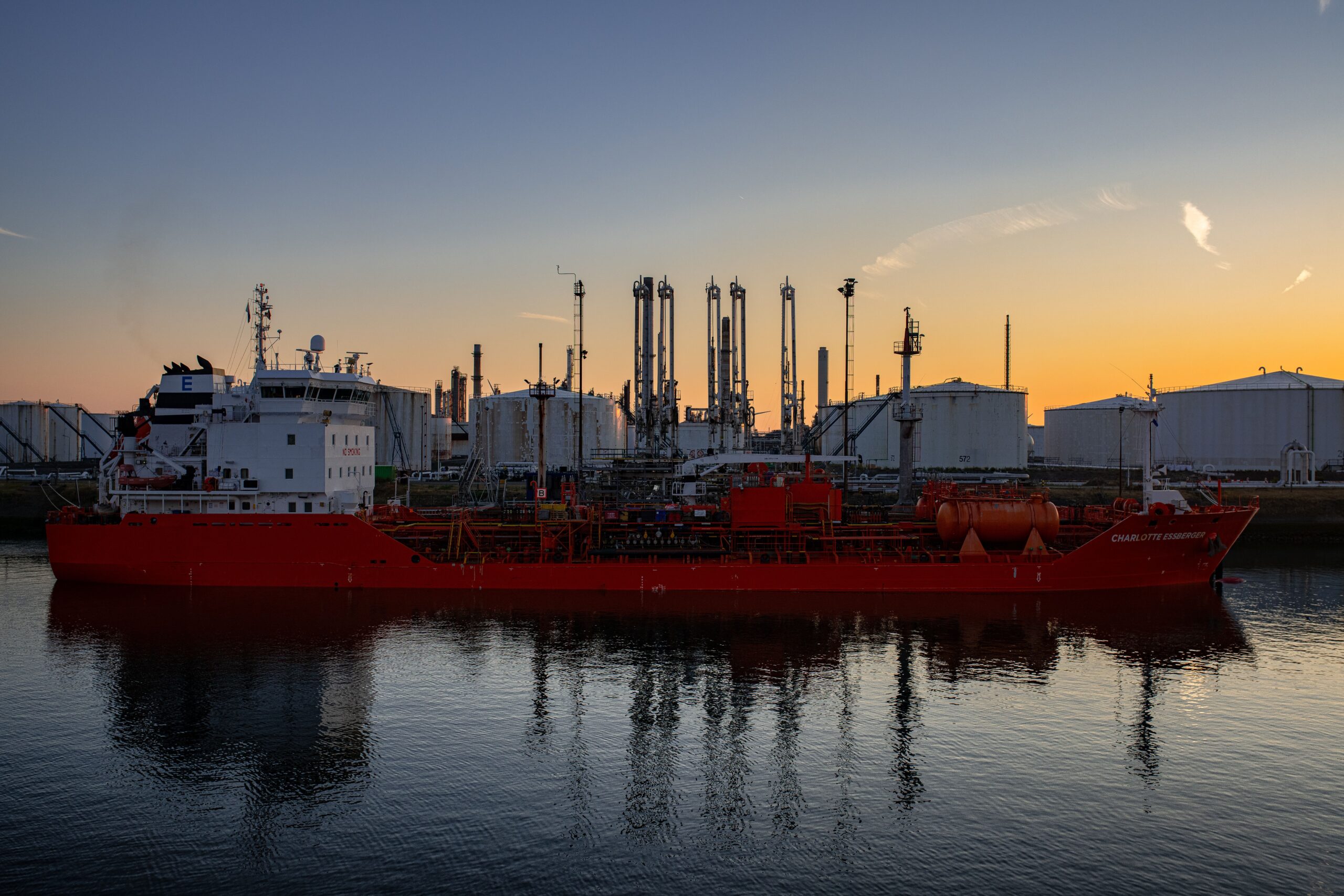
For businesses and consumers, the immediate impact is felt through the cost of transportation and insurance. As fewer vessel owners are willing to operate in the Gulf, the effective capacity of the shipping network shrinks, potentially leading to higher freight rates even if spot oil prices remain subdued. The situation underscores a broader trend in which geopolitical instability is decoupling traditional market signals; low commodity prices do not necessarily equate to low risk when the infrastructure of trade is under physical threat.
As the standoff continues, the focus remains on the Strait of Hormuz, a chokepoint critical to global oil flows. The next critical variable will be whether diplomatic efforts can alter the conditions of the maritime conflict or if the cycle of attacks and retaliation will persist, further straining the fragile recovery of Gulf oil exports.



One Comment