Under the framework described by senior Defense Ministry official Gijs Tuinman, the process would begin with information provision and suitability assessments for young people. If voluntary recruitment remains insufficient, obligations would increase through four additional stages: mandatory completion of questionnaires, compulsory response to official summons, mandatory participation in selection procedures, and finally, compulsory enlistment. Boswijk emphasized that the system is designed to prevent a sudden shift from voluntary to mandatory service, stating, “It goes in steps, and we don’t jump from the basement to the attic at once.” However, he noted that in the event of a severe emergency, the government could bypass these stages and implement mandatory service immediately.
The push for conscription is driven by a staffing gap. The Dutch cabinet aims to expand the military to 122,000 personnel by 2030, a target that includes active duty, reserves, and mobilizable civilians. Current figures stand at approximately 80,000. To bridge this gap, residents turning 17 are currently receiving surveys regarding their interests and suitability for military roles. While these surveys are optional at present, the proposed legislation would make them compulsory in later stages. The government argues that preparations are necessary because voluntary recruitment alone may no longer be sufficient to meet NATO-related demands or address deteriorating security conditions.
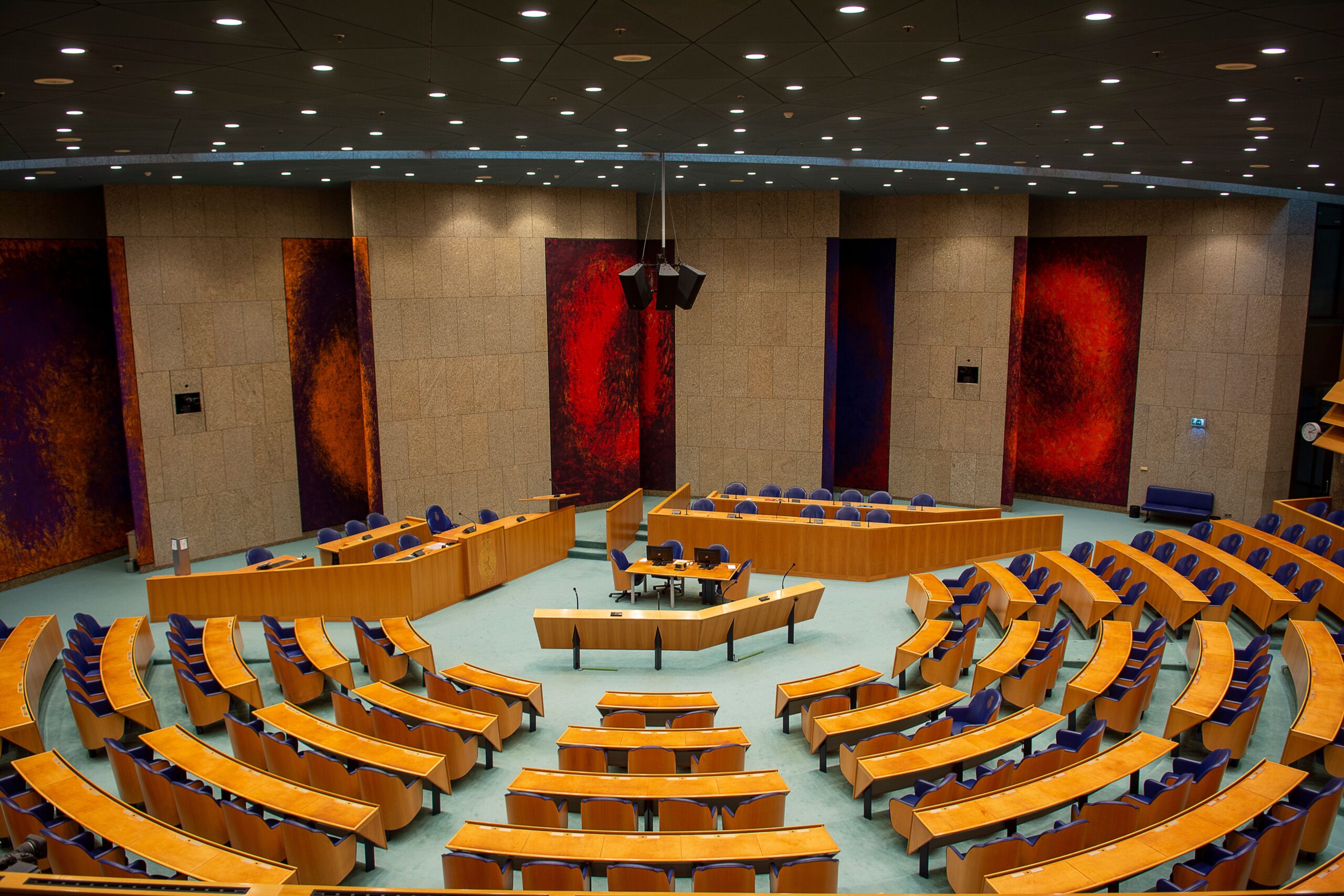
Military conscription technically remains in force in the Netherlands for citizens aged 17 to 45, though compulsory reporting for duty has been suspended since 1997. Under the new plans, individuals would have flexibility regarding when to serve, potentially between their 18th and 27th birthdays. The program would include six months of training under a National Resilience Training scheme. The legislative process is expected to take several years, with the Dutch Parliament scheduled to continue discussions on the matter at the end of September.
Opposition parties, including GroenLinks-PvdA, SP, and Denk, have raised concerns about the potential penalties for refusing service. MP Kati Piri questioned whether non-compliance could result in criminal sanctions such as prison sentences. While officials have not specified penalties for refusal, they maintain that the phased approach is intended to ensure that mandatory measures are only used as a last resort. The government asserts that the primary goal remains to build a capable force through motivated volunteers, with conscription serving as a backup capability to ensure national resilience.