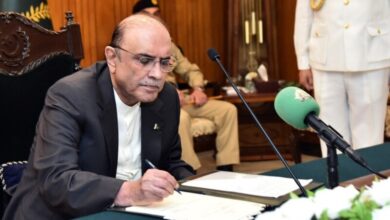

The legal development marks the final resolution of the criminal proceedings against Rose, concluding a matter that has persisted since the early 1990s. In April 1990, Rose entered guilty pleas to two counts of filing false tax returns. By admitting to these charges, he acknowledged failing to report $354,968 in income over a four-year period. At the time, faced with a maximum potential sentence of six years in prison and fines up to $500,000, Rose was sentenced to five months in federal prison. Additionally, he was ordered to repay the IRS $366,042, a financial obligation he fulfilled.
The pardon is issued more than two years after Rose’s death and follows a significant shift in his standing within professional baseball. In May of last year, MLB Commissioner Rob Manfred issued a ruling that opened a pathway for Rose to be considered for the National Baseball Hall of Fame. Manfred declared that individuals on MLB’s permanently ineligible list would have their statuses restored upon death. This administrative decision affected 17 players, most notably Rose and Shoeless Joe Jackson, by removing the formal bar to their historical recognition. The earliest possible induction for Rose or Jackson into the Hall of Fame is now projected for 2028.

The criminal tax case against Rose was intrinsically linked to, yet legally distinct from, the gambling scandal that defined his later career. The tax pleas occurred eight months after Rose agreed to a permanent ban from baseball. That ban was the result of an MLB investigation which concluded that Rose had placed numerous bets on the Cincinnati Reds while serving as both a player and a manager for the team between 1985 and 1987. The gambling violation led to his removal from the sport, while the tax evasion resulted in his criminal conviction.
On the day he was banned from baseball, Rose addressed the gravity of the situation, stating, “I know I’m not a bad person, but I did make some mistakes and it’s in the eyes of the judge.” He further noted, “All you can say is it’s up to the judge,” acknowledging the judicial process that would determine his punishment for the tax offenses. The current pardon supersedes the judicial sentence, removing the legal stigma of the conviction from his record.

Rose’s athletic legacy, which remains a central factor in his cultural significance, includes a 17-time All-Star selection during a playing career spanning from 1963 to 1986. He was named the 1963 National League Rookie of the Year, the 1973 MVP, and the 1975 World Series MVP. A three-time National League batting champion, Rose broke the previous career hits record of 4,191, a mark set by Ty Cobb between 1905 and 1928.
The issuance of the pardon concludes the legal proceedings related to Rose’s 1990 convictions. With the criminal matter resolved and his status within baseball restored by administrative committee action, the remaining procedural step is the evaluative process for Hall of Fame induction, which is not expected to occur before 2028. No further legal action or appeal is anticipated regarding the tax offenses, as the presidential pardon is a final executive act that cannot be reversed by the courts.