ICJ President Yuji Iwasawa stated that the court found “the only reasonable inference” for Myanmar’s actions was an intention to destroy a substantial part of the Rohingya population in northern Rakhine state. The ruling, which took three hours to read, found that Myanmar’s security forces killed thousands of civilians, perpetrated widespread sexual violence, and committed acts of extreme violence against children. The court noted that villages were systematically destroyed and subsequently resettled by non-Rohingya populations.
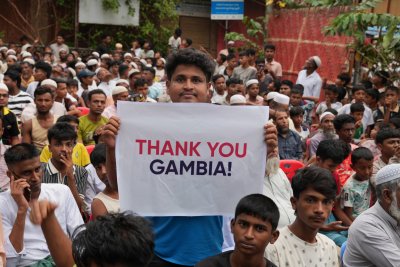
The case was brought by The Gambia in 2019. Myanmar had argued that its 2017 operations were a legitimate defense against militants, a claim the court rejected. The ICJ cited evidence that approximately 10,000 Rohingya were killed in the early stages of the military offensive. The court also found that while some civilian participation in attacks could not be definitively linked to state orders, the government failed to prevent atrocities and instead incited ethnic and religious tension.
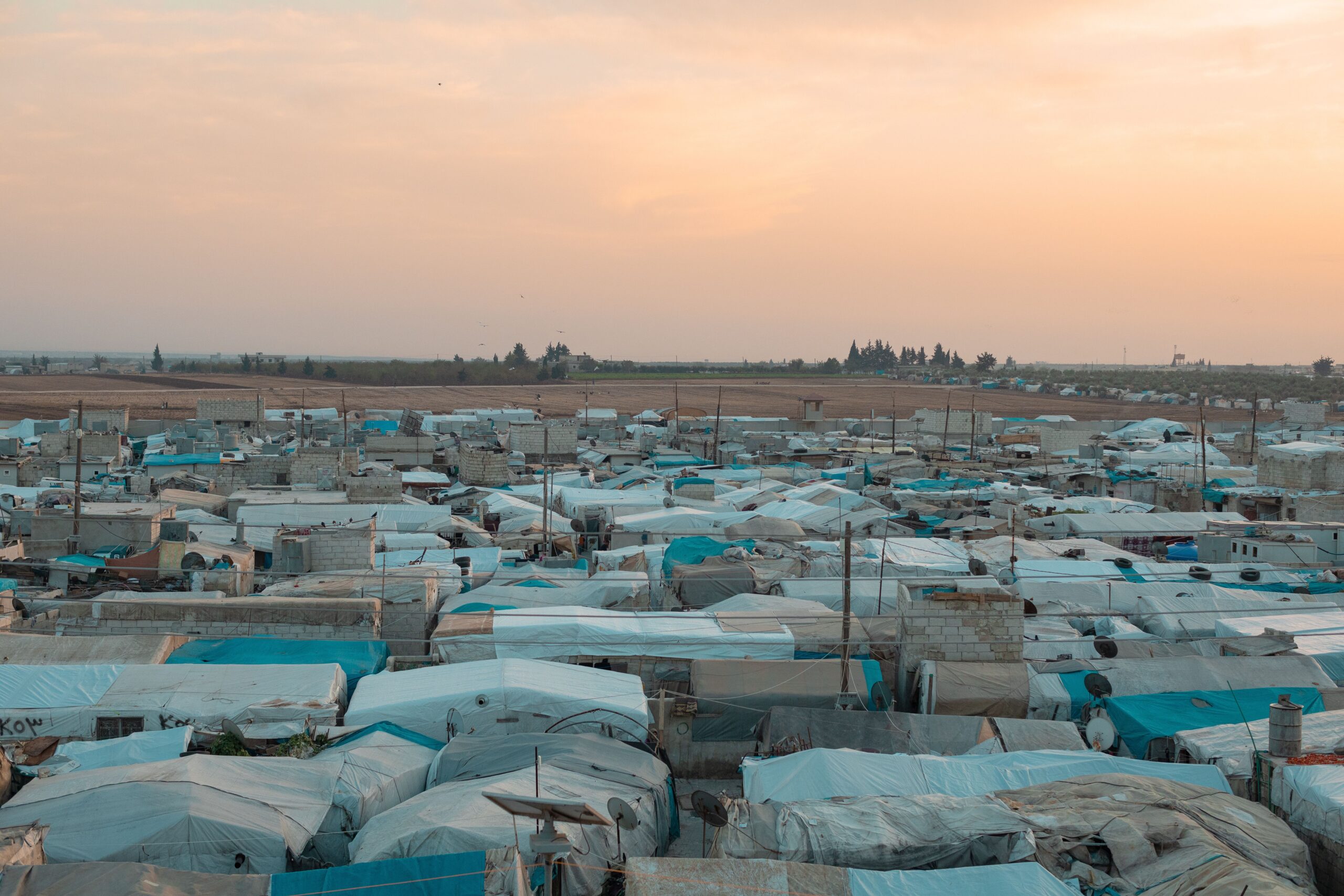
The court ordered Myanmar to provide reparations to victims, including compensation to be determined in later proceedings. It also mandated that Myanmar facilitate the safe return of refugees and take measures to investigate and prosecute individual wrongdoing by its nationals and security forces. Approximately 750,000 to one million Rohingya were displaced by the 2017 offensive, fleeing to camps in Bangladesh, where many remain.
While ICJ rulings are legally binding on UN member states and cannot be appealed, the court possesses limited mechanisms for enforcement. Compliance relies largely on the moral authority of the court and potential action by the UN Security Council. This verdict may influence other ongoing proceedings, including the case brought by South Africa alleging genocide in Gaza, though that case is at a different stage of litigation.
The next step involves Myanmar’s compliance with the reparations order and the investigation of individual perpetrators, with specific compensation details to be addressed in subsequent court proceedings.