The joint statement, published by Chinese state media and the Kremlin, declared that the three heads of state engaged in an “in-depth exchange of views” and committed to upholding strategic stability and international security. The document called for reforms to the United Nations, the protection of diplomatic immunity, and increased supply and production of refined petroleum products. However, the White House had not yet published the statement as of the latest reports, and it remains unclear if the U.S. fully endorses all provisions, particularly those regarding energy production that could support Russia’s war economy.
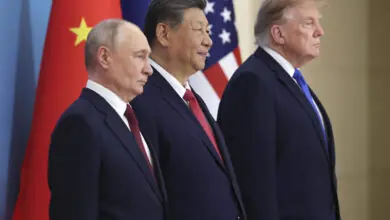
Individual meetings preceded the group session. Trump’s bilateral talks with Putin lasted 42 minutes, while his discussions with Xi lasted approximately one hour. The trilateral group session continued for about 90 minutes, though some time was consumed by simultaneous translation. During the opening remarks, Xi argued that when great powers are at peace, the world is secure, while Putin emphasized their shared responsibility for maintaining international peace and security. Trump described the gathering as a “special responsibility” and stated, “We are really making history,” drawing comparisons from observers to the 1945 Yalta Conference.
Despite the cooperative language, the leaders entered the room with divergent agendas. Trump focused on calling for new curbs on nuclear weapons, a topic complicated by the lapse of the last remaining nuclear treaty between Washington and Moscow earlier this year and China’s resistance to participating in such frameworks. Putin sought to discuss the war in Ukraine on terms favorable to Moscow, while Xi maintained broader themes of economic stability and global clout, avoiding deep engagement on specific conflict resolution. The statement also noted discussions on Iran, economics, and trade, but no specific mechanisms for resolving these disputes were outlined.
The summit’s immediate significance lies in its diplomatic optics: the image of the U.S. president sitting at a table with the leaders of two major rivals. This visual signal of cooperation contrasts with ongoing conflicts in Ukraine and the Middle East. Analysts note that while the leaders agreed to “strengthen the system of international law” and address food and energy security, the lack of independent verification from the U.S. side and the absence of detailed policy commitments leave the long-term impact of the summit uncertain.
The next expected development is the formal U.S. release of the summit’s outcomes and any subsequent bilateral follow-ups between Washington and Moscow or Beijing.