The Legal and Operational Context
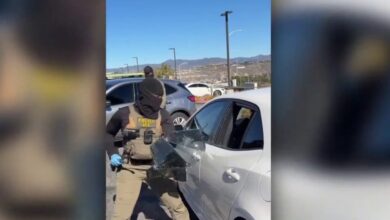
According to the Mexican National Defence Secretariat, the operation was executed using “stealth and surprise” by specialist units from the Mexican National Guard and the Army. Authorities stated that their personnel came under attack from armed individuals using firearms and explosives, whom officials believe were cartel operatives attempting to resist the seizure. Following the exchange of fire, security forces entered a property in the town of Guasave and apprehended Meza Flores. The detainees, including Meza Flores and two other identified leaders of the group, were subsequently evacuated via a Mexican Air Force aircraft to Mexico City.
The legal status of Meza Flores remains that of a suspect pending formal judicial proceedings in Mexico. However, his international notoriety stems from his inclusion on the FBI’s Ten Most Wanted Fugitives list. Former FBI Acting Director Brian Driscoll, who oversaw the listing, described Meza Flores as having spent the last 20 years flooding the United States with fentanyl, cocaine, heroin, and other illicit substances. Driscoll noted that the accusations against Meza Flores and his organization extend beyond drug trafficking to include “heinous crimes,” specifically citing kidnapping, extortion, torture, and murder. These accusations form the basis of the U.S. interest in his detention, although any legal penalties or convictions must be determined through the respective judicial systems of the involved nations.
U.S.-Mexico Intelligence Cooperation
A central element of the reported narrative is the role of bilateral cooperation. The Mexican government explicitly acknowledged that intelligence provided by the administration of U.S. President Donald Trump contributed to the successful location and capture of the cartel leader. Mexican news outlet N+ reported that intelligence agencies from Mexico’s Defence Ministry and the United States had cooperated in the operation. However, both governments have been reticent about disclosing the precise mechanisms of this cooperation. U.S. officials from the FBI and the State Department have not yet issued a formal public statement detailing the extent of American involvement or the specific nature of the intelligence shared. This lack of transparency is consistent with standard security protocols regarding active operations, but it leaves the exact legal and diplomatic framework of the joint effort undefined in the public record.
Violence and Public Safety Implications
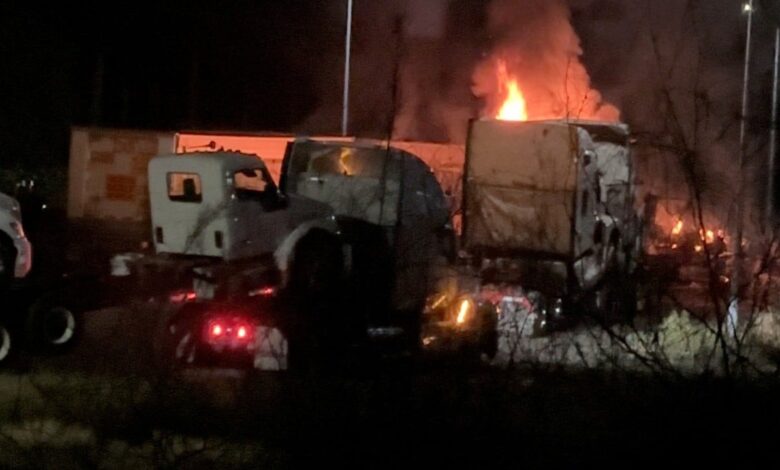
The immediate aftermath of the arrest revealed the volatile security environment in Sinaloa, a state historically plagued by cartel conflicts. The capture triggered armed confrontations that spread beyond the immediate site of the operation. Footage circulating on social media and reported by local authorities, including the newspaper La Jornada, depicted a scene of widespread disorder in Guasave. Reports indicated that gunfire erupted during a nearby baseball match, causing spectators to flee in panic. Additional disturbances included the setting of vehicles on fire, the establishment of roadblocks involving burning lorries, and direct clashes between federal forces and armed groups.
Local authorities urged residents to remain indoors and avoid traveling on affected roads, a precautionary measure reflecting the risk of collateral violence. The incident underscores the practical consequences of high-profile law enforcement actions in regions where organized crime maintains a significant presence. While the legal objective of the raid was to remove a key figure from the criminal hierarchy, the resulting instability highlights the continued threat posed by these organizations to civilian safety and the operational risks faced by security forces.
Legal Proceedings and Next Steps
With Meza Flores now in custody in Mexico City, the focus shifts to the judicial process. In the Mexican legal system, the individual is presumed innocent until proven guilty in a court of law. The next formal step will likely involve his presentation before a judge to determine the legality of the arrest and to charge him with specific offenses under Mexican criminal law. These charges may include drug trafficking, organized crime, and potential homicide or kidnapping, mirroring the crimes alleged by U.S. authorities. The case will also raise complex questions regarding extradition, should the United States formally request the transfer of the suspect for prosecution in American courts. Until such a request is made and adjudicated, Meza Flores remains in the custody of Mexican authorities, where his legal rights and the procedural timeline will be governed by domestic law.