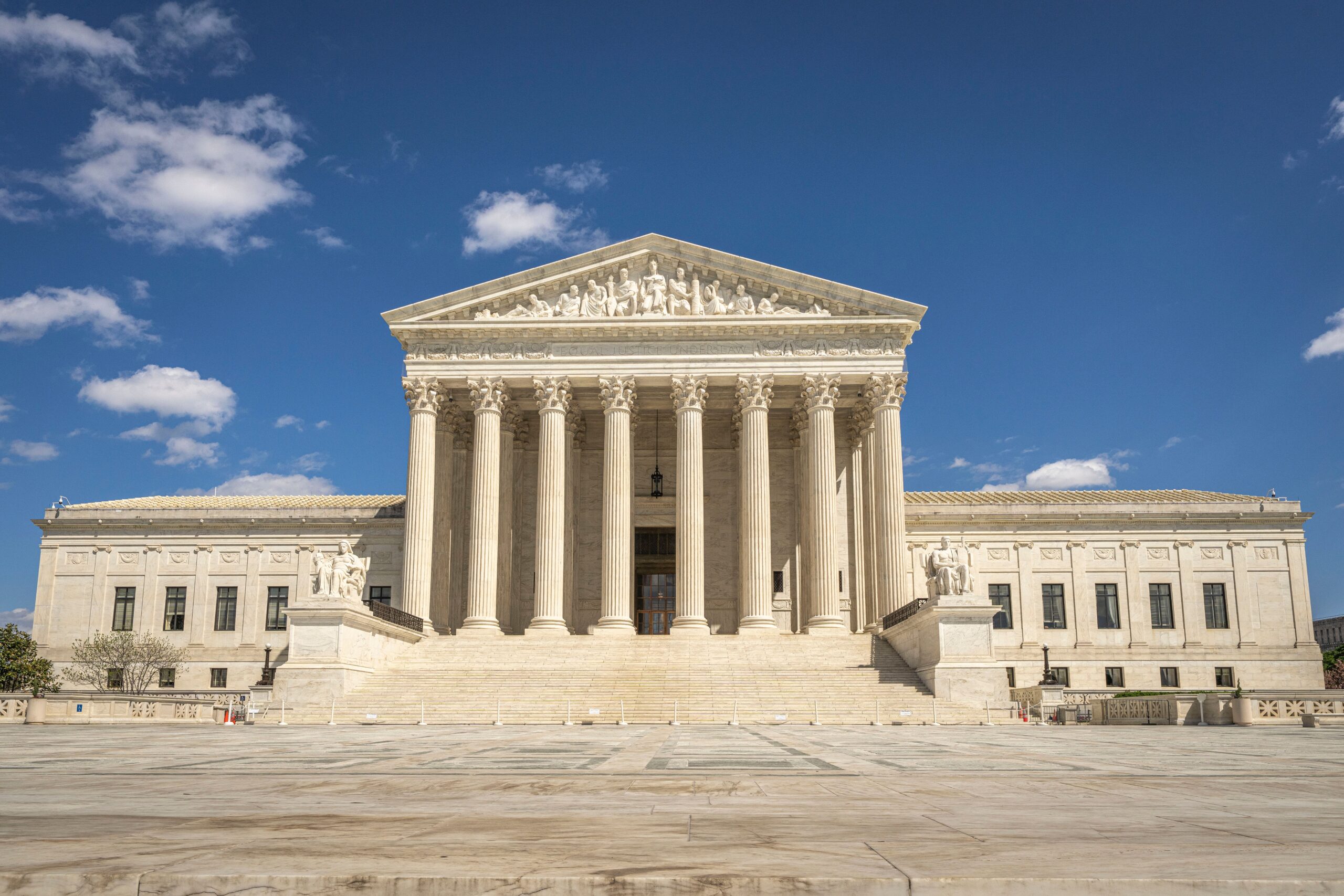
A two-member FCC bench, headed by Chief Justice Aminuddin Khan and comprising Justice Aamer Farooq, made the ruling on Monday. This decision reverses the bench’s November 5 order, which had suspended Article 199 proceedings in the PHC, citing the deployment of armed forces in aid of civil power under Article 245 of the Constitution. Following that earlier directive, the PHC had removed relevant cases from its cause list. The FCC now permits the PHC to take up cases related to the Maintenance of Public Order (MPO) Ordinance, provided the high court does not adjudicate on the validity of the emergency measures themselves.
The legal dispute centers on the interpretation of Article 245(3) and (4), which state that a high court shall not exercise jurisdiction under Article 199 in areas where the armed forces are acting in aid of civil power. During the proceedings, Justice Farooq observed that while a literal reading of Article 245 might suggest a complete suspension of such cases, a strict interpretation would bring the entire judicial system to a standstill. Consequently, the FCC allowed the PHC to hear detention cases while maintaining the suspension of challenges to the emergency proclamation.
The FCC is currently seized with more than 60 appeals against interim orders previously granted by the PHC, which had allowed bail to detainees against surety bonds of Rs100,000 each. These appeals were filed by the KP Home and Tribal Affairs Department. In its defense, the KP provincial government, through Advocate General Sanaullah Khan, submitted a report arguing that the security situation remains “fluid, volatile and interconnected” across all districts. The government maintained that the continued deployment of armed forces is indispensable and that the underlying threats necessitating the emergency have not been sufficiently mitigated. The government urged the FCC to maintain the suspension of Article 199 proceedings across the province.
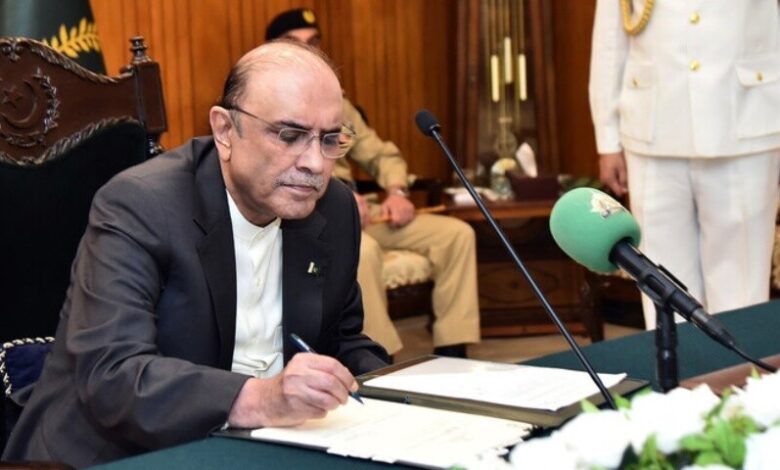
Concurrently, President Asif Ali Zardari has promulgated five ordinances that fundamentally alter the legal landscape in KP. The most consequential of these is an amendment to the KP Provincial Assembly (Powers, Immunities and Privileges) Act 2026, which omits 21 of its 40 sections. This includes provisions that previously protected members of the provincial assembly (MPAs) against preventive detention and criminal liability for breach of privileges. Key omitted sections include those governing the attendance of detained members, the requirement of the Speaker’s permission before arrest, and the definition of breach of privilege as a cognizable offense.
These legislative changes have immediate practical consequences for current detainees. Several KP lawmakers, including former Chief Minister Sohail Afridi and Speaker Babar Saleem Swati, have been in preventive detention or under house arrest since the emergency was imposed on October 11. With the removal of statutory protections, the legal basis for their continued detention shifts, although the FCC has noted that the maintainability of petitions challenging these detentions remains an open legal question.
Two additional ordinances establish executive committees with wide-ranging powers to oversee “special initiatives” in 12 designated districts facing intense security challenges, as well as in the rest of the province. These committees, comprising members nominated by the Prime Minister or the Governor, have the authority to identify executing agencies for developmental schemes, including military formations. The ordinances grant these committees overriding effect over other laws, including the KP Public Procurement Regulatory Authority Act 2012, and explicitly bar civil courts from exercising jurisdiction over actions taken under these new frameworks.
PTI Chairman Barrister Gohar Ali Khan, who was allowed to become a party to the FCC proceedings, argued that the previous FCC order had brought legal practice to a halt in the province. He highlighted that many PTI workers remain in detention and contended that no review board for preventive detentions had been constituted as required by law. The provincial advocate general responded that such a board would be formed after three months, allowing detainees to approach it if their detention exceeded that period.
The situation remains fluid. While the PHC can now hear specific detention cases, the core constitutional challenge to the emergency itself remains blocked by the FCC. The next formal step involves the PHC resuming proceedings on the pending MPO cases, while the FCC continues to examine the provincial government’s report on the necessity of continued military deployment. The legal validity of the new ordinances stripping MPAs of privileges may face further scrutiny in the courts, though the current FCC directives limit the scope of such challenges in the immediate term.