
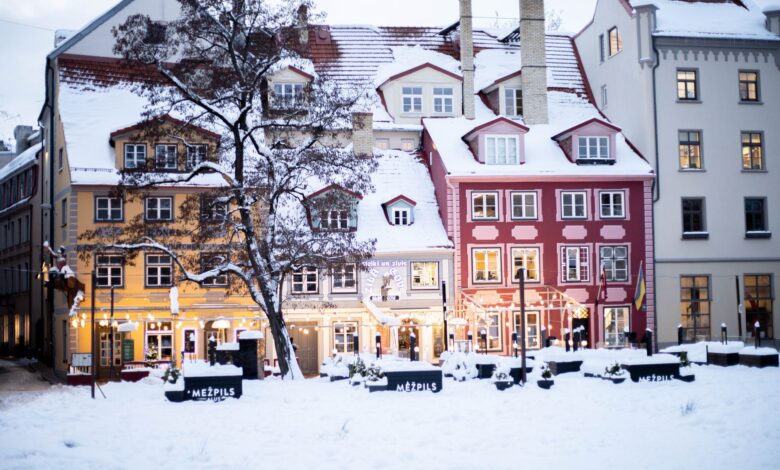
The immediate impact is a severe cold snap affecting a large swathe of Europe. According to data from the National Oceanic and Atmospheric Administration (NOAA), high pressure building over Scandinavia and low pressure shifting southeast into western Russia has opened this cold air pathway. From Monday, temperatures in the Baltic states, Germany, Poland, and Ukraine are expected to fall widely below zero. Meteorologists predict “ice days”—where temperatures remain below 0°C for the entire day—will become common from midweek onward.
By the weekend, the intensity of the cold is projected to escalate significantly. Temperatures could drop between 5°C and 15°C below the seasonal average, with higher ground potentially experiencing double-digit negative readings. Accompanying this temperature drop, the low pressure system over eastern Europe and western Russia will drive extensive snowfall. The first widespread snow is expected in southern Poland, Belarus, eastern Ukraine, and the southeastern Baltics, with depths reaching up to 10cm in southern Poland.

The weather pattern is expected to evolve later in the week as a smaller area of low pressure pushes into western and central Europe. Significant snow is forecast to spread across southern Germany, Austria, and Czechia, where accumulations of 10cm to 20cm could build. The Alpine region may receive a substantial snow dump, a development that offers a welcome boost for ski resorts preparing to open in the coming weeks. High pressure is set to remain dominant across northern Europe into the start of December, likely maintaining below-average temperatures in central and eastern Europe, with potential extensions into the Balkans.
Scientists are also monitoring the potential influence of a sudden stratospheric warming event that occurred earlier this month. There are hints that this upper-atmosphere phenomenon may finally begin to influence the lower atmosphere, potentially extending high pressure farther west and bringing cold easterly winds to western Europe and the United Kingdom. However, confidence in this specific projection remains low, and it is difficult to distinguish this short-term variability from long-term trends without further atmospheric data.
This regional cold snap exists in stark tension with the global climate reality. On Friday, the global average temperature was recorded at 2.12°C higher than the preindustrial average. This represents the biggest anomaly ever recorded, equivalent to 1.22°C above the 1991-2020 climate average. October was the warmest month on record, with an average global temperature of 15.35°C, which was 0.9°C above the 1991-2020 average and 1.75°C above estimated preindustrial levels.
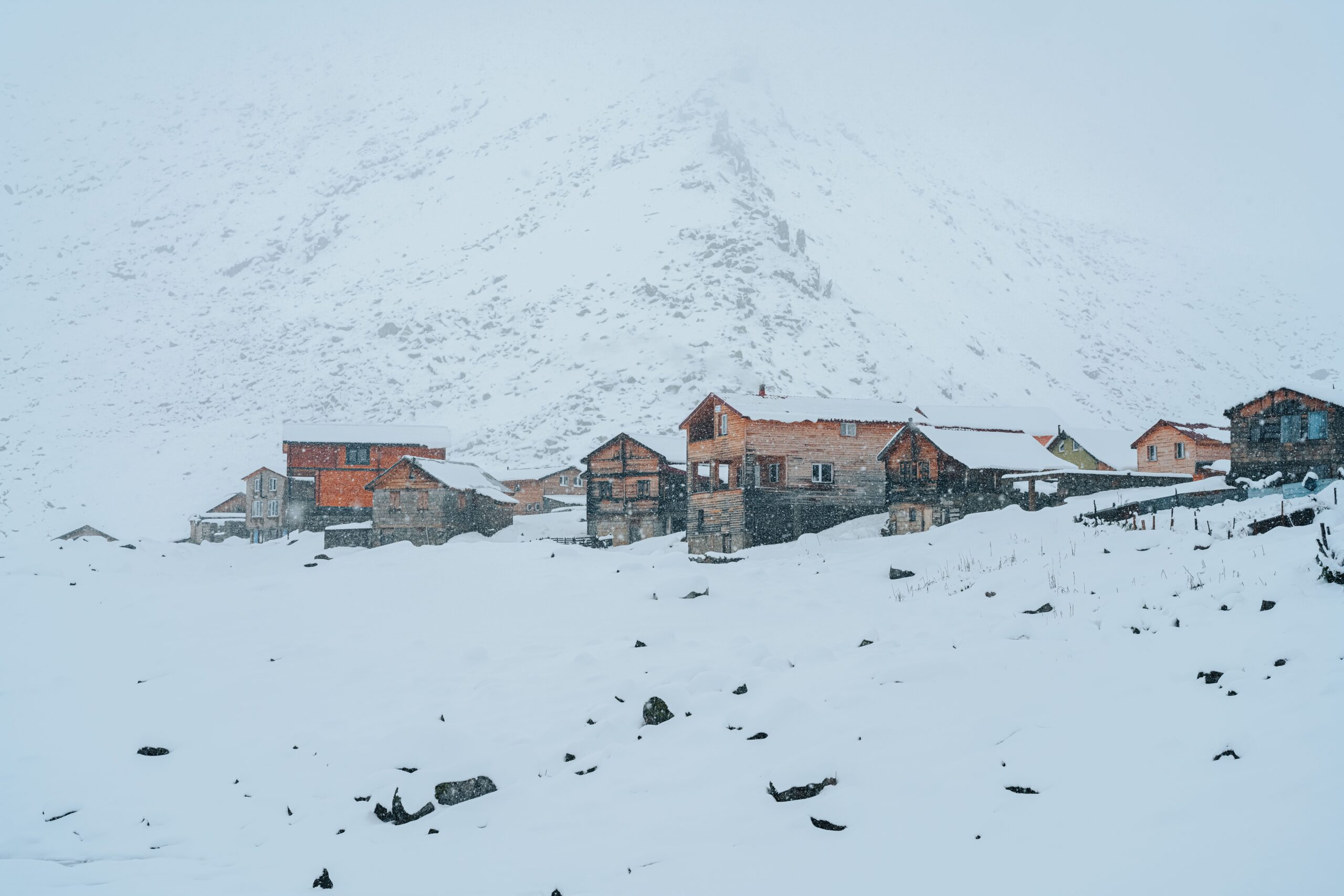
October marked the third consecutive month—following August and September—that global temperatures exceeded 1.5°C above preindustrial baselines. While parts of Europe, including the UK, have seen below-average temperatures in November so far, the global monthly averages have continued to run above normal. The current situation illustrates the complexity of climate science: short-term weather events, such as polar vortex disruptions, can produce intense local cold, but they do not negate the long-term trend of global warming driven by greenhouse gas emissions.
The distinction between individual weather events and long-term climate trends is critical for understanding these developments. The cold air masses moving through Europe are a result of atmospheric dynamics and pressure systems, not a reversal of global warming. Meanwhile, the record global temperatures highlight the persistence of heat accumulation in the Earth’s climate system. As the cold front settles, the focus for meteorologists will shift to how the stratospheric signals develop and whether the high pressure system will persist into December, potentially affecting winter resilience in agricultural and energy sectors across the continent.