
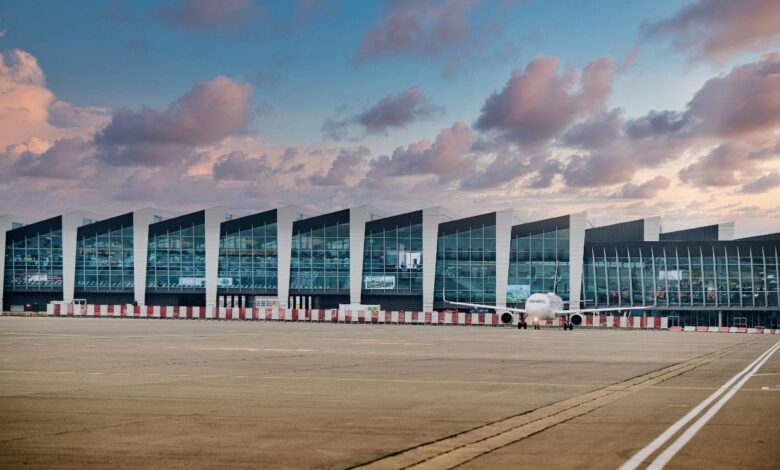
The disruption is the direct result of a general strike organized in response to planned austerity measures currently under discussion by the Belgian federal government. The primary objective of these proposed spending cuts is to reduce the nation’s borrowing costs. While the economic rationale centers on fiscal stability and debt management, the immediate consequence has been a halt to aviation operations, with staff from Skeyes, Belgium’s air traffic control operator, joining the national demonstration.
The scale of the cancellation was severe. Arnaud Feist, CEO of Brussels Airport, noted that only 25 of the 429 scheduled passenger flights were expected to operate. This figure represents a success rate of fewer than 6 percent. The airport’s official statement acknowledged that the “majority of the flights on that day will unfortunately be cancelled,” adding that public transport links to and from the airport would also be affected. For businesses relying on just-in-time delivery or time-sensitive cargo, the shutdown of the primary air hub creates immediate logistical bottlenecks.
The impact extended beyond the passenger terminal to the freight sector. Operations at Liège Airport (LGG), another significant cargo facility in the region, faced parallel disruptions. Both belly-hold capacity—the space available in the cargo holds of passenger aircraft—and dedicated freighter operations were impacted by the strike. This dual disruption at both major Belgian airports suggests a comprehensive halt to air cargo movement out of the country during the strike period, potentially affecting supply chains that depend on rapid transit through the Benelux region.
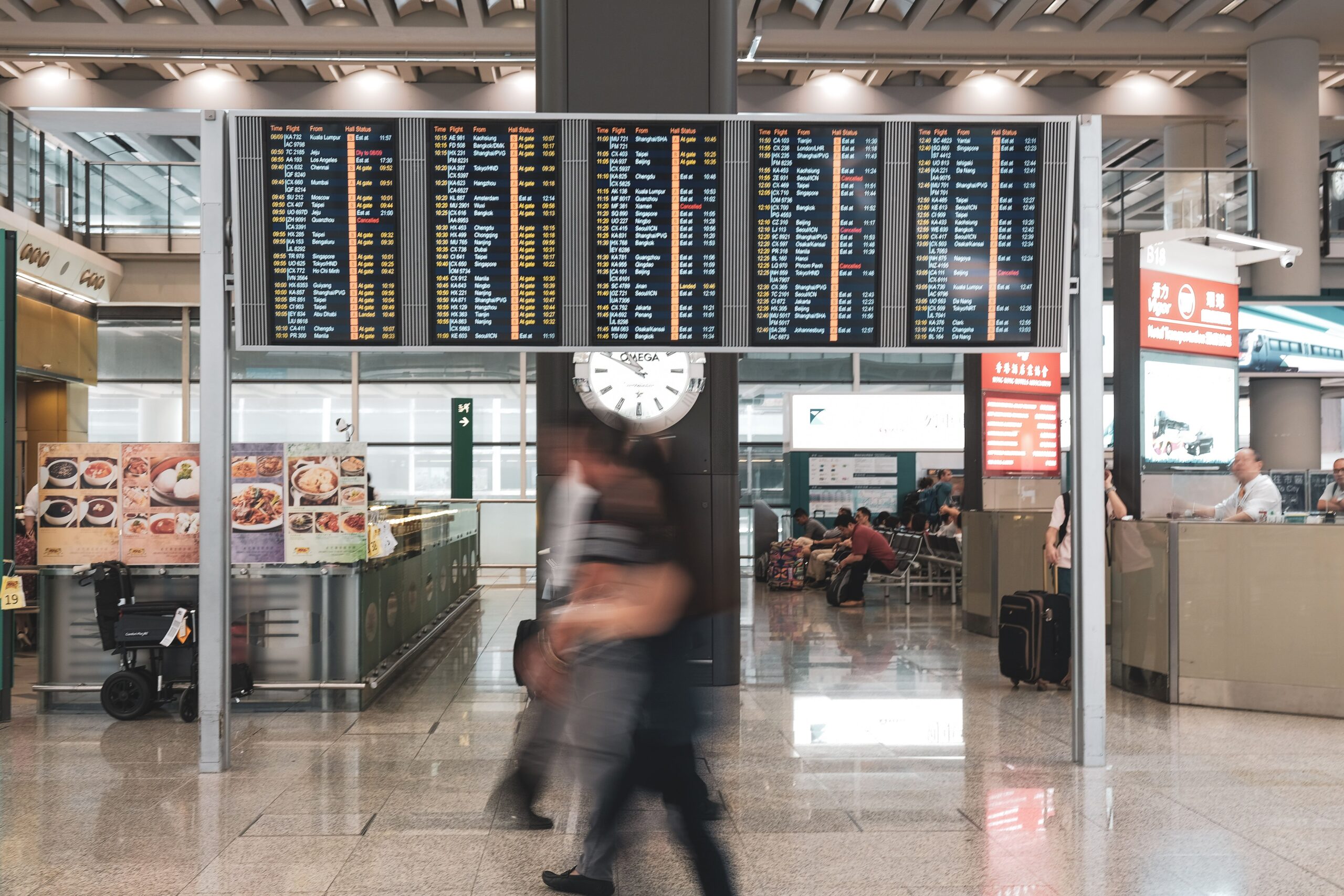
A significant source of friction in this incident was the timing of the notification. Feist highlighted that the airport had been asking partners for weeks how the action might affect their operations to allow for contingency planning. However, Skeyes only acknowledged the disruption on Saturday afternoon. This late announcement left passengers and business partners with “barely any time to adjust their plans,” forcing the sector into a scramble to respond to an unexpected shutdown. Feist characterized the situation as “deeply frustrating,” noting that dealing with the unexpected is an inherent part of airport management, but that the lack of advance notice exacerbated the operational chaos.
The labor dispute is part of a longer pattern of industrial action. Feist pointed out that there have been “ten days of industrial action against government policy in the past two years.” This context suggests that the current strike is not an isolated incident but rather the latest escalation in a sustained conflict between unions and the federal government regarding spending cuts. The unions are protesting the austerity measures, which they view as detrimental to public services or wages, while the government argues that reducing spending is necessary to lower borrowing costs and stabilize the national economy.
Feist emphasized the disconnect between the cause of the strike and its impact on the aviation sector. “A strike by a handful of air traffic controllers means only 25 of the 429 scheduled passenger flights are expected to operate,” he stated. He further clarified that the unions’ protest against federal spending cuts “has nothing to do with aviation or Brussels Airport.” This distinction underscores the collateral damage inflicted on the transportation and trade sectors by broader fiscal debates. The aviation industry, which relies on precise coordination and predictability, bears the brunt of these disruptions, even though it is not the direct target of the labor grievances.

The economic implications of such a shutdown are multifaceted. For the Belgian economy, the strike disrupts international trade flows, potentially delaying shipments of high-value goods that require air transport. For businesses, the inability to move cargo can lead to contract penalties, missed market windows, and increased costs as companies seek alternative routes or modes of transport, such as road or rail, which may be slower or more expensive. The disruption to public transport further complicates the situation for workers and passengers, isolating the airport from its ground-based connectivity.
While the immediate operational halt is clear, the broader economic impact remains tied to the outcome of the political negotiations. If the austerity measures are implemented, they may achieve their goal of reducing borrowing costs, potentially benefiting long-term fiscal health. However, the recurring nature of the strikes—ten days of action in two years—indicates a deep-seated political tension that continues to pose risks to economic stability and operational reliability. Businesses operating in Belgium must now factor in the risk of such labor actions when planning their logistics and supply chain strategies.
As the strike concludes and operations resume, the focus will shift to the recovery of delayed cargo and the assessment of any lasting damage to trade relationships. The next key development will be the response from the federal government and unions, as well as any potential compensation or policy changes that might emerge from the negotiations. For now, the silence at Brussels and Liège airports serves as a tangible reminder of how fiscal policy decisions can ripple outward, affecting global trade networks and daily economic activity.