
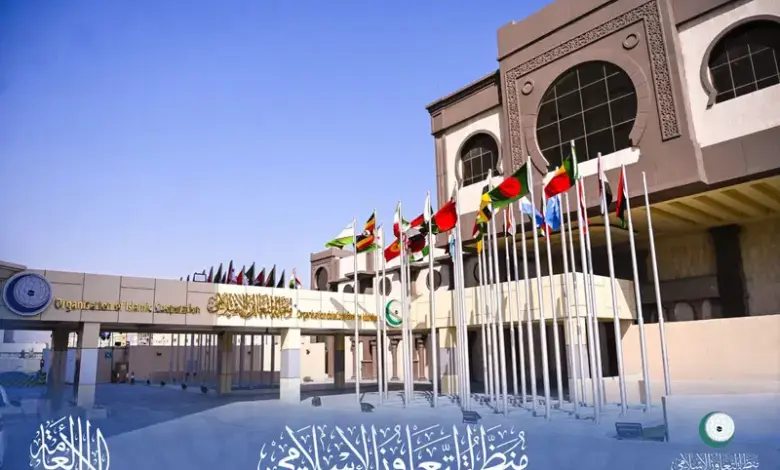
In a statement marking the occasion, OIC Secretary-General Ismail Ould Cheikh Ahmed described violence against women as a violation of human dignity that hinders social justice, family stability, and sustainable development. He characterized the prevention of such violence as a “collective moral imperative” rather than merely a legal duty. The OIC, the world’s second-largest intergovernmental organization with 57 member states, aligned its messaging with the 2026 global campaign theme: “UNiTE to End Violence against Women and Girls: Ensure Justice, Protect Survivors, End Impunity.”
The OIC specifically cited concerns for women enduring conflict, occupation, and humanitarian crises. The statement named Palestinian women under Israeli aggression, women in conflict zones across Sudan and the Sahel, persecuted Rohingya women and girls, and women and girls in Afghanistan who are restricted in their rights to education and work. The OIC urged the international community to strengthen legal safeguards and support survivors, working in partnership with Member States, the Women Development Organization (WDO), and UN Women. It referenced the OIC Plan of Action for the Advancement of Women (OPAAW) and the 2023 Jeddah Document on the Rights of Women in Islam as key frameworks for translating commitments into concrete protection.
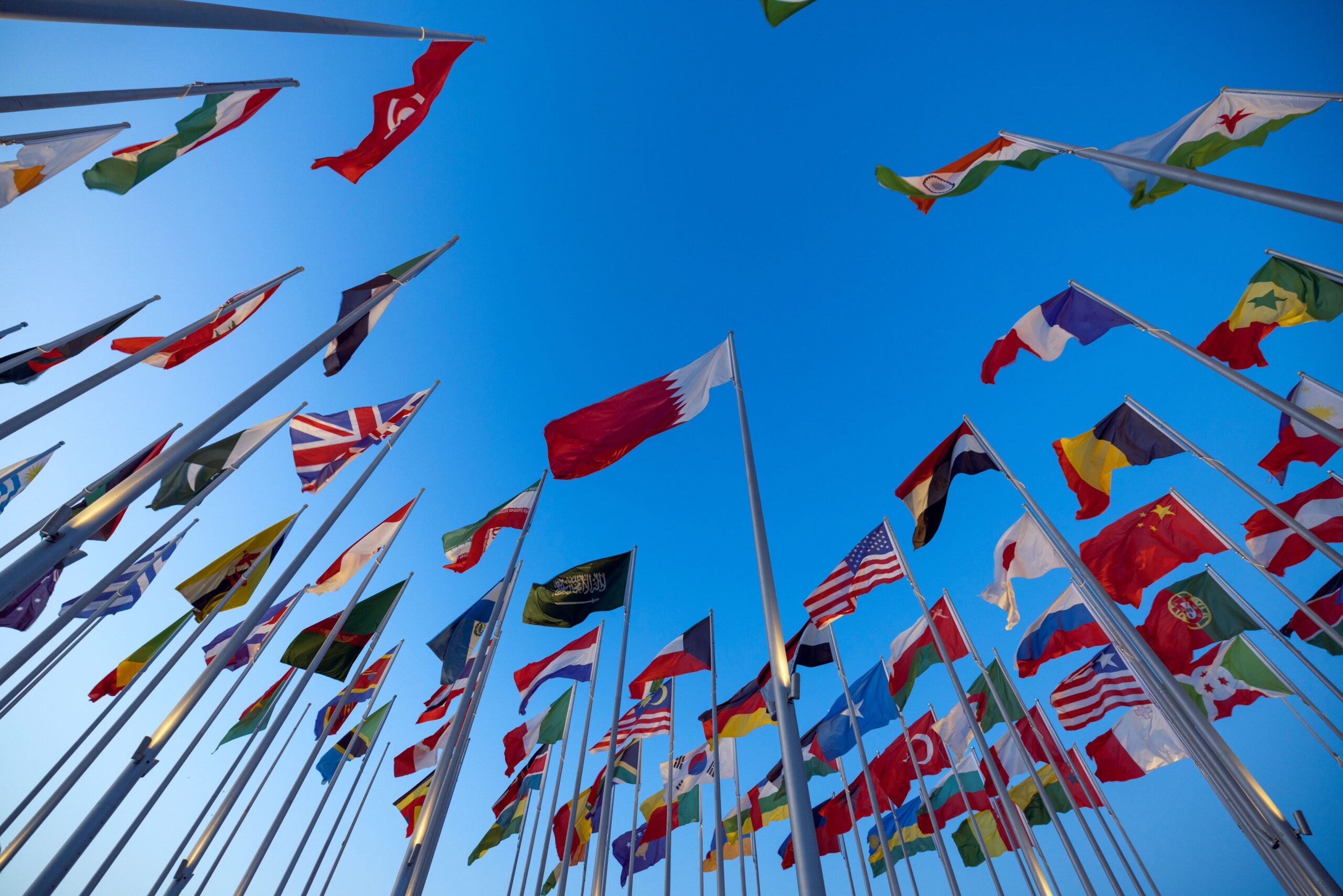
Simultaneously, the European Union outlined its renewed commitment to ending gender-based violence, noting that one in three women in Europe have been victims of such violence. The EU highlighted that in 2023 it acceded to the Istanbul Convention, the first legally binding international treaty to prevent and combat violence against women and domestic violence. In 2024, the EU adopted its first comprehensive law to fight gender-based violence, which explicitly criminalizes online forms of abuse, including the sharing of intimate images without consent, deepfakes, cyberstalking, and online harassment based on gender.
The European Commission stated that this legislation ensures the removal of publicly accessible illegal content and provides stronger protection for survivors. In 2025, the Commission adopted a roadmap for women’s rights, and in March 2026, it adopted the gender equality strategy 2026-2030. This strategy aims to embed gender equality into all aspects of life, addressing new threats such as gender-based cyberviolence, anti-gender narratives, and AI-related risks. The EU has also established a helpline, 116 016, for victims seeking assistance.
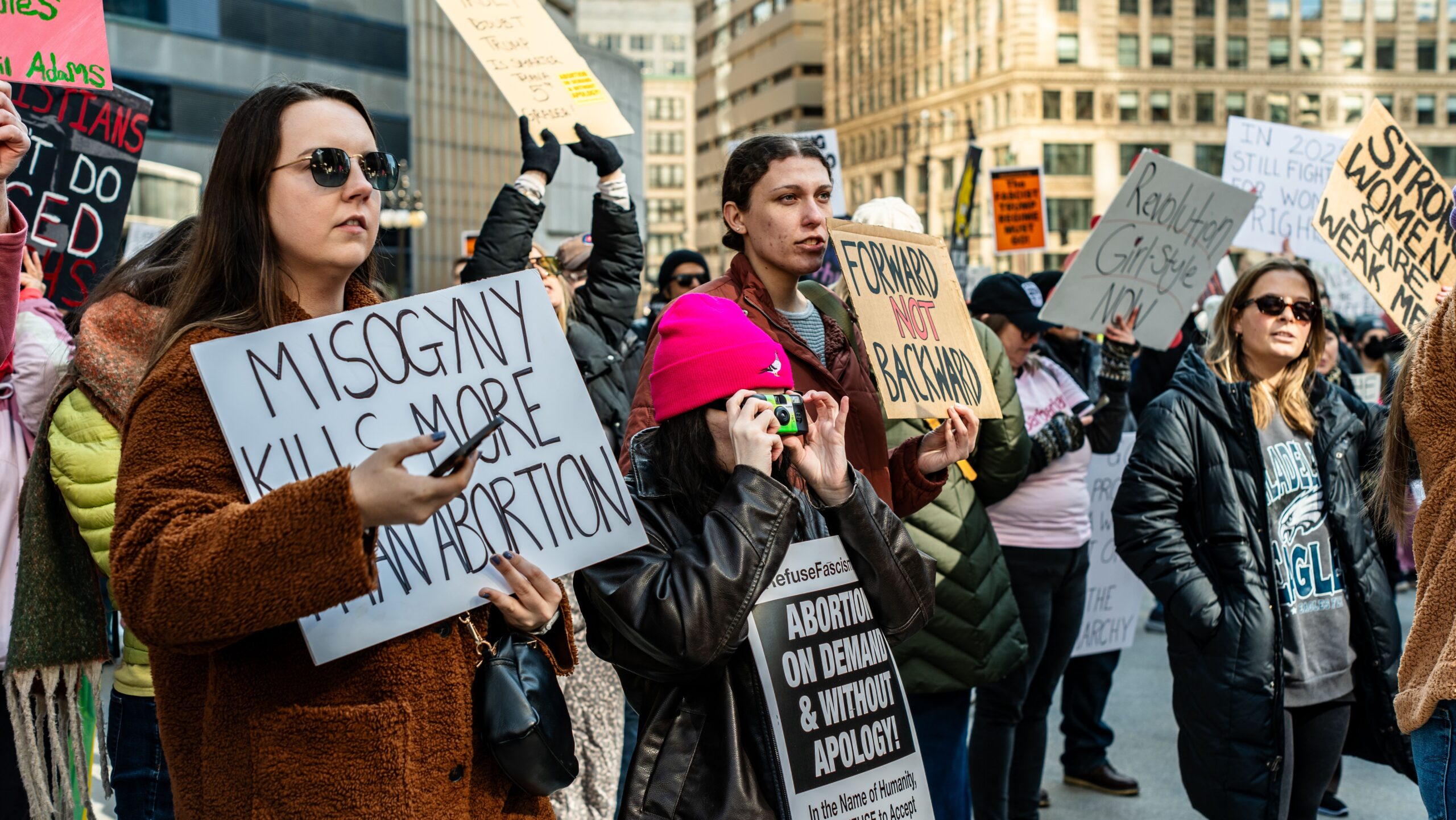
Separately, UNESCO Peru launched a campaign titled “#CuestionaConectaActúa: por una red sin violencia” (Question, Connect, Act: for a network without violence), aligning with the broader international effort to address the digital dimensions of gender-based violence. These coordinated actions by distinct international bodies underscore a global consensus on the need for both legal accountability and humanitarian support to address the multifaceted nature of violence against women.
The next expected milestone in these efforts includes the continued implementation of the EU’s 2026-2030 strategy and the OIC’s ongoing advocacy for legal safeguards in conflict-affected regions, with no specific new treaty dates announced in the available materials.