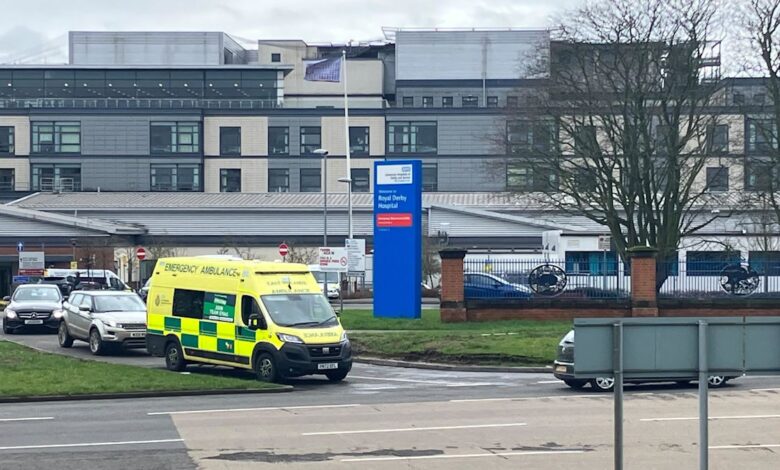
Declaring a critical incident is not merely an administrative step; it signals that demands have exceeded capacity, requiring coordinated internal actions and partnership responses to manage pressure. At Royal Derby Hospital, the impact is most acute. The trust reports that the accident and emergency (A&E) unit is facing its greatest operational pressures, with average waits stretching to approximately nine hours. This delay represents a tangible burden for patients in distress and their families, highlighting the fragility of emergency care pathways during seasonal surges. While the trust urges the public to continue attending A&E for genuine emergencies and to keep planned appointments, the length of these waits underscores the severity of the current strain.
The clinical picture is driven by a dual wave of infection. UHDB stated it is caring for a “significant number” of patients with flu and confirmed Covid-19. At the time of the report, the trust recorded approximately 67 flu cases and 24 confirmed Covid-19 patients at Royal Derby Hospital. These figures are not just numbers on a spreadsheet; they dictate where and how care can be delivered. Respiratory illnesses require specific isolation protocols and monitoring, which can complicate bed allocation and limit the availability of general wards for other conditions, thereby slowing the flow of patients through the hospital.

This situation in Derbyshire does not exist in isolation. A similar pattern is unfolding in nearby Nottingham, where Nottingham University Hospitals (NUH) also declared a critical incident on Monday, November 23. The pressures there are equally severe, with reports of patients waiting in ambulances for up to four hours. NUH noted that in the week leading up to the declaration, there were 60 flu cases and 73 Covid cases across its hospitals. The Queen’s Medical Centre (QMC) emergency department is bearing the brunt of this demand, with around 200 patients present and nearly 100 waiting for beds on wards. The simultaneous strain on both trusts indicates a regional surge in respiratory disease that is testing the resilience of the entire East Midlands health network.
In response to these pressures, Jo Wright, the interim executive chief operating officer at UHDB, outlined a strategy focused on safety and flow. The trust is deploying additional clinical support to areas of highest need and is actively working with health and care partners to facilitate the safe and earlier discharge of patients who are ready to leave. This “bed clearance” process is critical; without moving patients out of acute hospital settings, the system cannot absorb new admissions. Wright emphasized that despite the busy conditions, the trust has plans in place to manage the period safely. “Our hospitals are very busy, but we have plans in place to help us manage periods like this safely,” Wright said. She added that the team is working to help patients move through their care as quickly and safely as possible.
The distinction between a critical incident and a crisis is important. It is a pre-planned operational response. However, the length of A&E waits—averaging nine hours at Royal Derby—poses risks. Prolonged waits can lead to deterioration in patient conditions, increased anxiety, and the potential for hospital-acquired infections, particularly in crowded emergency departments. The trust has explicitly stated that it is still here for everyone who needs care, urging the public not to hesitate in seeking help for emergencies. This message is vital to prevent a secondary crisis where avoidable trips to A&E due to minor ailments, or conversely, delayed presentations due to fear of long waits, further disrupt services. The trust also noted that planned appointments should continue unless patients are contacted otherwise, suggesting that while emergency services are under pressure, the broader hospital operations are attempting to maintain stability.

The evidence from both Derby and Nottingham paints a consistent picture of a health system under significant seasonal stress. The rise in flu and Covid-19 cases is not an anomaly but a predictable, yet challenging, outcome of the changing seasons. The management of this surge relies heavily on the coordination between hospitals, community care providers, and ambulance services. The fact that both trusts are at their highest level of escalation suggests that local resources alone are insufficient to absorb the current demand without significant operational adjustments.
As the trust works to reduce these pressures, the focus remains on the patients waiting in those long lines. The goal is to restore normal flow, clear the backlog, and ensure that the additional clinical support leads to faster, safer care. The next verified development will be the monitoring of these interventions: whether the increased discharge rates and additional staff support can bring A&E waiting times back within acceptable limits. For now, the hospitals in Derby and Burton remain in a state of heightened alert, balancing the immediate needs of patients with the systemic constraints of a respiratory disease surge.