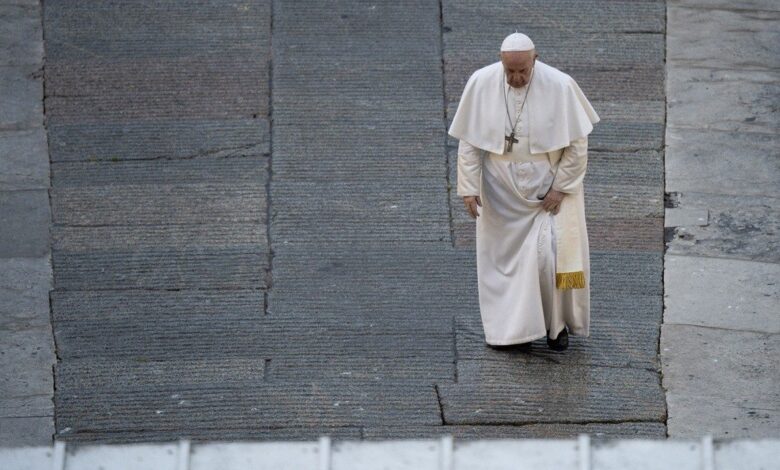
The publication marks a significant moment in Vatican history, presenting the first papal diaries made public since the 1960s. For readers, the book functions as a window into the “heart” of a pontiff who, despite his public accessibility, had never previously shared such unchecked feelings, judgments, and fears. The diary does not merely recount events; it documents a profound spiritual struggle, revealing a “dark night” of the soul akin to the mystical experiences described by Saint John of the Cross—a stripping of the self intended for a more radical union with God.
The central narrative of the diary is defined by a two-year spiritual crisis that began in 2021. During this period, Francis recorded intense psychological and spiritual battles, including what he described as temptations by Satan and anxieties regarding the exercise of his authority. In one entry, he wrote of fighting against becoming someone “who uses others like puppets,” a reflection on the weight and potential corruption of power within the Roman Catholic Church. While the book does not clarify the specific context of this fear, it highlights the internal tension between his role as leader and his identity as a believer.
Perhaps the most striking revelations are the specific visions recorded in the diary. In a January 2021 entry, Francis listed three instances where he believed he saw the devil, including one occurrence during a meeting with Vatican officials while serving as pope. He described the experience with visceral detail, noting, “I can’t forget the powerful raspiness of his voice.” Earlier, in a June 2018 entry, he had written: “Last night I saw the entrance to hell. Pagan seduction in full force… it terrified me… Pagan seduction is strong… there’s no room for hope in it.” These entries stand in stark contrast to moments of profound comfort, such as a May 2019 note where he felt “with certainty that the Lord loved me with a predilection,” describing a sensation like “a cushion… wrapped around me and saved me from disintegrating.”
The curation of these private thoughts was entrusted to Cardinal Victor Manuel Fernández, a longtime friend whom Francis called from Argentina to Rome in 2023 to serve as Prefect of the Dicastery for the Doctrine of the Faith. Fernández’s prologue explains that the decision to publish stemmed from a moment of trust; Francis had shown him the “old agenda book” at the Casa Santa Marta and simply said, “You others will see about this.” After receiving approval from the newly elected Pope Leo XIV, Fernández spent a year selecting texts he believed would “bring some edification to readers,” avoiding sensationalism or psychological voyeurism.
For Cardinal Fernández, the project is also a personal act of vindication. Speaking on the release, he acknowledged that for a long time, he refrained from speaking about Francis, citing both a certain “cowardice” in the face of those who “took deep delight in being able to bury him” and a difficulty in finding the right words. The diary, he argues, allows Francis to speak for himself, offering a voice that surprises observers and counters what Fernández describes as “very unjust criticism.” By letting the text stand on its own, the book shifts the narrative from external speculation to internal testimony.
The diary also connects to Francis’ broader theological vision. Fernández points to underlined passages in other works, such as the Aparecida Document, where Francis emphasized the need to offer the faithful “a personal encounter with Jesus Christ, a profound and intense religious experience.” The diary serves as the practical application of this theology, documenting the “wild” and often terrifying nature of that encounter. It reveals a faith that is not static or comfortable, but dynamic and contested, involving both “pagan seduction” and “merciful smiles” from the Lord.
As the book reaches shelves in the US, the UK, and globally through publishers like Penguin Random House, it invites a re-evaluation of the late pope’s legacy. The entries do not present a saintly perfection, but a human complexity marked by fear, doubt, and intense spiritual longing. For the Church and the wider world, the diary offers a rare, authenticated glimpse into the mind of a leader who governed the largest Christian denomination for over a decade. The next step in understanding this era will likely involve how theologians and historians interpret these private struggles in the context of the institutional changes Francis championed during his life.