

The core argument for statehood centers on the lack of voting representation in Congress for the island’s approximately 3.2 million residents. Martin Rivera, Director of Advocacy for the Puerto Rico Statehood Council, noted that these citizens do not receive the same level of federal benefits as those in the 50 states. Rivera described the petition as a civil rights issue, stating that the move aims to activate the broader Puerto Rican diaspora to pressure legislators to address this inequality, particularly in the context of the upcoming midterm elections.
However, public opinion on the island remains divided. While the last four non-binding plebiscites favored statehood, recent interviews with residents in San Juan indicate significant opposition to the prospect. Many locals fear that statehood would eliminate the current tax advantages that keep the cost of living manageable, leading to skyrocketing taxes and economic turmoil. One resident, who grew up in Puerto Rico and now lives in Connecticut, expressed concern that the transition would mirror the economic changes seen in Hawaii, arguing that wages are already too low to support a sudden increase in costs.
Other residents and students cited cultural identity as a primary barrier to statehood. Ignacio Pedraza, a student from Bayamón, supports maintaining the current territorial relationship, pointing to the autonomy it provides, such as the ability to compete separately in the Olympic Games. He argued that statehood would strip the island of its distinct identity. Similarly, Gabriela López, a student from Mayagüez, recalled choosing independence as a child, reflecting a segment of the population that views the current relationship with the United States as unequal. Some residents described feeling that while they are U.S. citizens, they are not treated as equals, with one noting that the U.S. limits Puerto Rico in every aspect of governance.
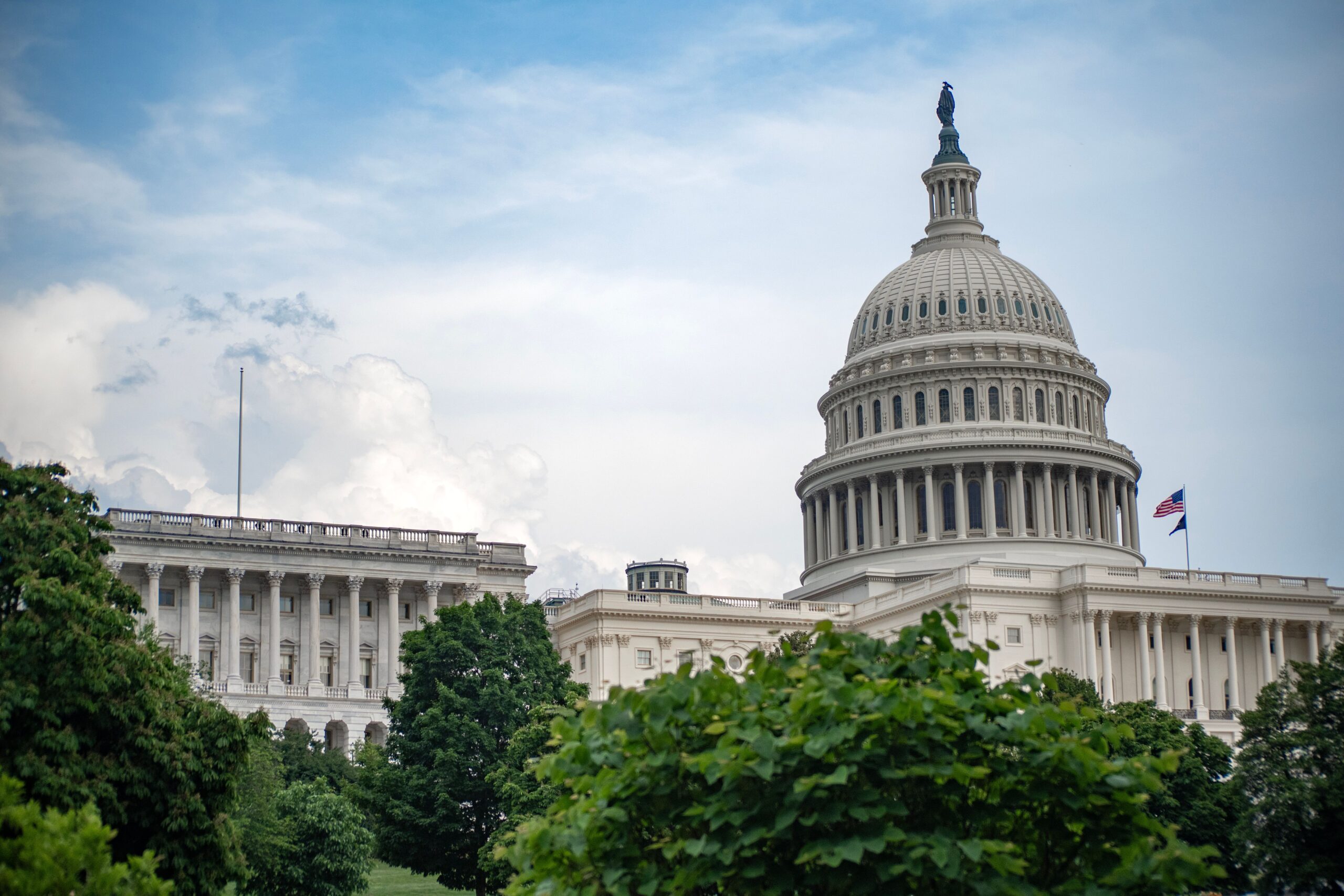
Legislative efforts to change the island’s status have faced hurdles in Washington. The Puerto Rico Status Act, which would have allowed for a binding vote on the island’s status, passed the U.S. House of Representatives in 2022 but failed to pass the Senate. Some members of the Republican party have raised concerns regarding the island’s finances and the potential impact on the balance of power in Congress. The Statehood Council maintains that the issue is bipartisan and focused on civil rights, indicating that advocacy efforts will continue with both the White House and congressional champions following the midterm elections.
The next step involves congressional consideration of the petition, with advocates expecting the issue to remain a focal point of political debate as the U.S. approaches its 250th founding anniversary.