
Hurricane Fiona’s trajectory began in the Caribbean Sea, where it made landfall in Puerto Rico’s southern coast on September 18, 2022, as a Category 1 hurricane. The storm’s slow movement was the primary driver of its initial impact, dumping more than two feet of rain on the island. This precipitation overwhelmed Puerto Rico’s already fragile infrastructure, causing catastrophic flooding, landslides, and the complete loss of power across the territory. Hundreds of thousands of residents were left without access to water, and vast swaths of farmland were destroyed. The disaster resulted in at least five confirmed deaths in the Caribbean region, according to authorities.
As Fiona moved north, it passed through the Dominican Republic and the Turks & Caicos Islands before reaching Bermuda. By the time it passed just west of Bermuda on September 22, the storm had intensified significantly. The U.S. National Hurricane Center reported sustained winds of 115 knots (130 miles per hour). The storm’s intensification was fueled by anomalously warm sea surface temperatures in the Atlantic Ocean, providing the thermal energy necessary to sustain and strengthen the cyclone as it crossed waters significantly warmer than normal. In Bermuda, the impact was severe; about 80 percent of the island was left without power in the wake of 100-mile-per-hour wind bursts and heavy rain.

Forecasters noted that Fiona was becoming one of the strongest storms to ever reach the Canadian Maritimes. Environment Canada predicted landfall in eastern Nova Scotia on September 24, though the storm actually made landfall as a post-tropical cyclone before dawn on Saturday, September 24. Despite transitioning to an extratropical system—a process that typically weakens hurricane-force winds—Fiona retained hurricane-strength winds, gusts of up to 110 miles per hour (175 km/h), and a storm surge of up to 6.5 feet (2 meters). The storm delivered 4 to 6 inches (100–150 mm) of rain across widespread areas of Atlantic Canada.
The impact in Canada was concentrated in the infrastructure and coastal zones. In Nova Scotia, more than 252,000 Nova Scotia Power customers were left without electricity, while over 82,000 customers in Prince Edward Island lost power through Maritime Electric. The cumulative effect meant that hundreds of thousands of people across the Atlantic provinces were in the dark. In Prince Edward Island, Tanya Mullally, the head of emergency management, had warned prior to landfall that the flooding was significant to the point that it could not be measured against previous events, citing the northern portion of the island as facing the brunt of the winds and coastal flooding.
The physical destruction in Newfoundland and Nova Scotia was marked by the force of the storm surge. In Channel-Port Aux Basques, Mayor Brian Button reported that people were being evacuated to high ground as winds knocked down power lines and caused multiple electrical fires. The Royal Canadian Mounted Police declared a state of emergency in the town. While no fatalities were confirmed in Canada, searches continued for a 73-year-old woman who was last seen in her residence moments before a wave tore away part of the basement. A separate woman in the area was confirmed safe after being tossed into the water as her home collapsed, though high winds initially prevented aerial searches.
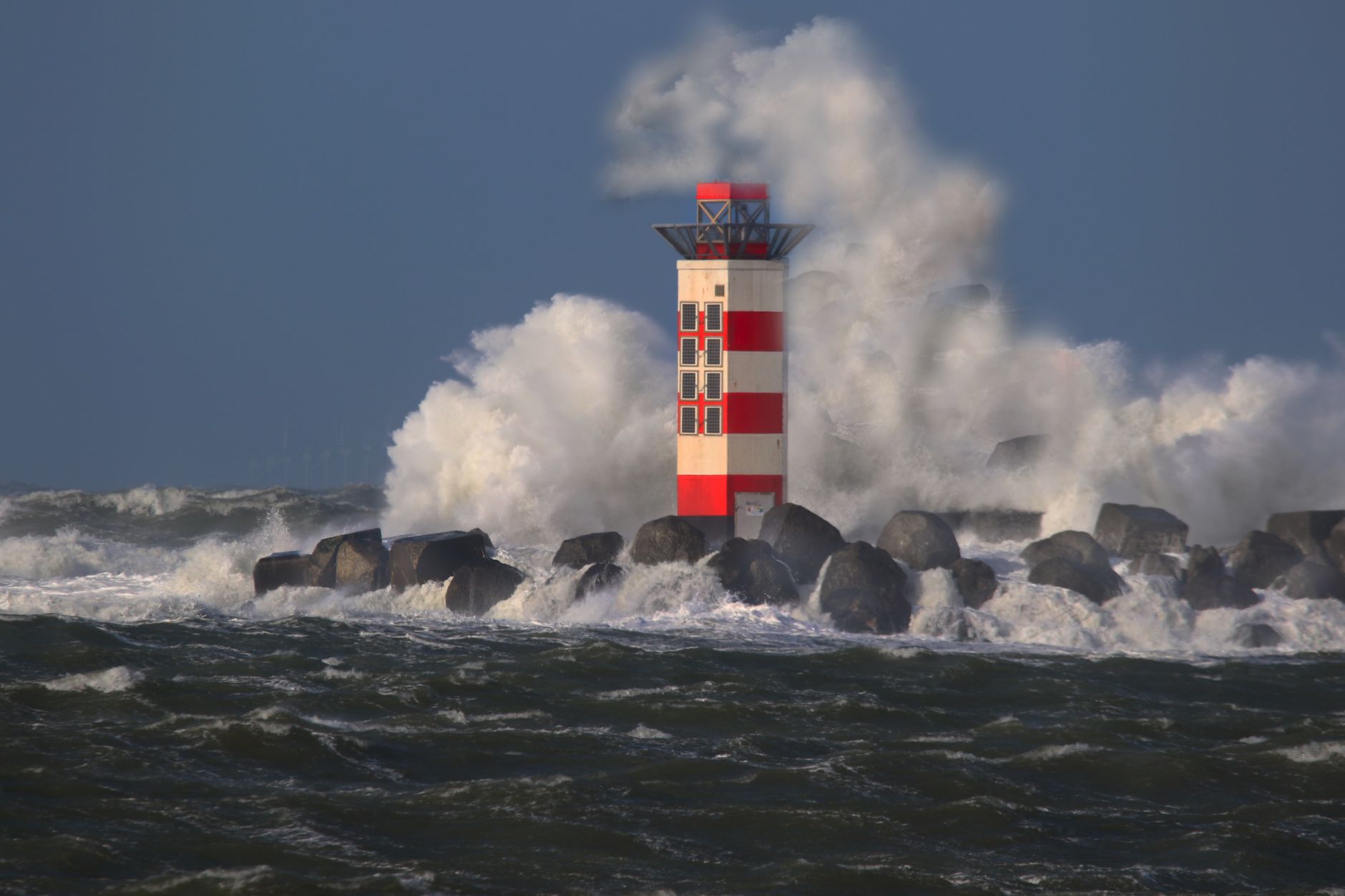
The storm’s path demonstrated the increasing variability and intensity of Atlantic weather systems, driven in part by warmer ocean temperatures. The National Weather Service highlighted that Fiona’s trajectory bypassed the United States but posed a “landmark weather event” for Eastern Canada. The deployment of the Canadian Armed Forces, announced by Prime Minister Justin Trudeau, was intended to assist in removing fallen trees and restoring transportation links. Relief efforts, including those by World Central Kitchen, focused on providing over 680,000 meals to affected communities in the Caribbean and Canada, highlighting the humanitarian scale of the event.
As the immediate danger subsided, the focus shifted to the long-term assessment of damage. The storm had swept away houses, stripped roofs, and blocked roads across the provinces. For communities like Channel-Port Aux Basques, the challenge was no longer just survival, but the reconstruction of a coastline that had been physically altered by the storm surge. The event served as a stark reminder of the vulnerability of coastal infrastructure to extreme weather events that are becoming more frequent and intense in the North Atlantic basin.
