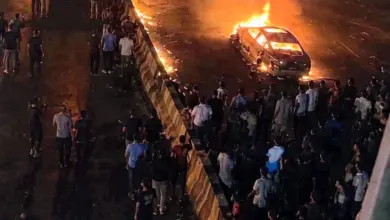
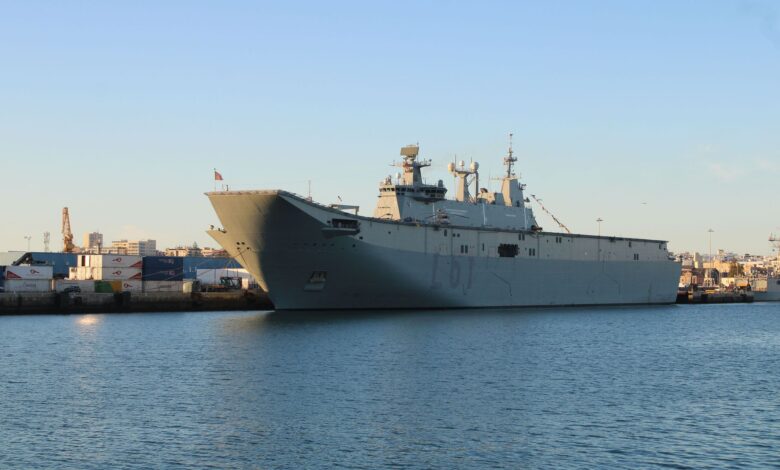
The incident in question involves the sinking of the Russian corvette Merkuriy, which was carrying a Ka-27 helicopter, and the damage inflicted on the dry cargo ship MV ANGARA, a vessel reportedly used by Russia to transport weapons. These strikes, carried out by Ukrainian drones, have drawn sharp diplomatic reactions from Italy, a country with significant historical and strategic interests in the Mediterranean basin. Meloni stated clearly that “the war must not and cannot spread to the Mediterranean.” This warning serves as a delineation of red lines, suggesting that while Italy continues to support Ukraine’s defense, it views the extension of hostilities into the Mediterranean as an unacceptable escalation.
The diplomatic friction is not limited to the Prime Minister’s public remarks. On Tuesday, Italian Foreign Minister Antonio Tajani held a conversation with his Ukrainian counterpart, Andriy Sybiha. During this exchange, Tajani expressed Italy’s concern over the attack on the port of Benghazi, where the Russian ships were located. This bilateral communication underscores the level of seriousness with which Rome views the incident. The Italian government is positioning itself to communicate this stance directly to Kyiv, aiming to ensure that future operations account for the broader security dynamics of the region.
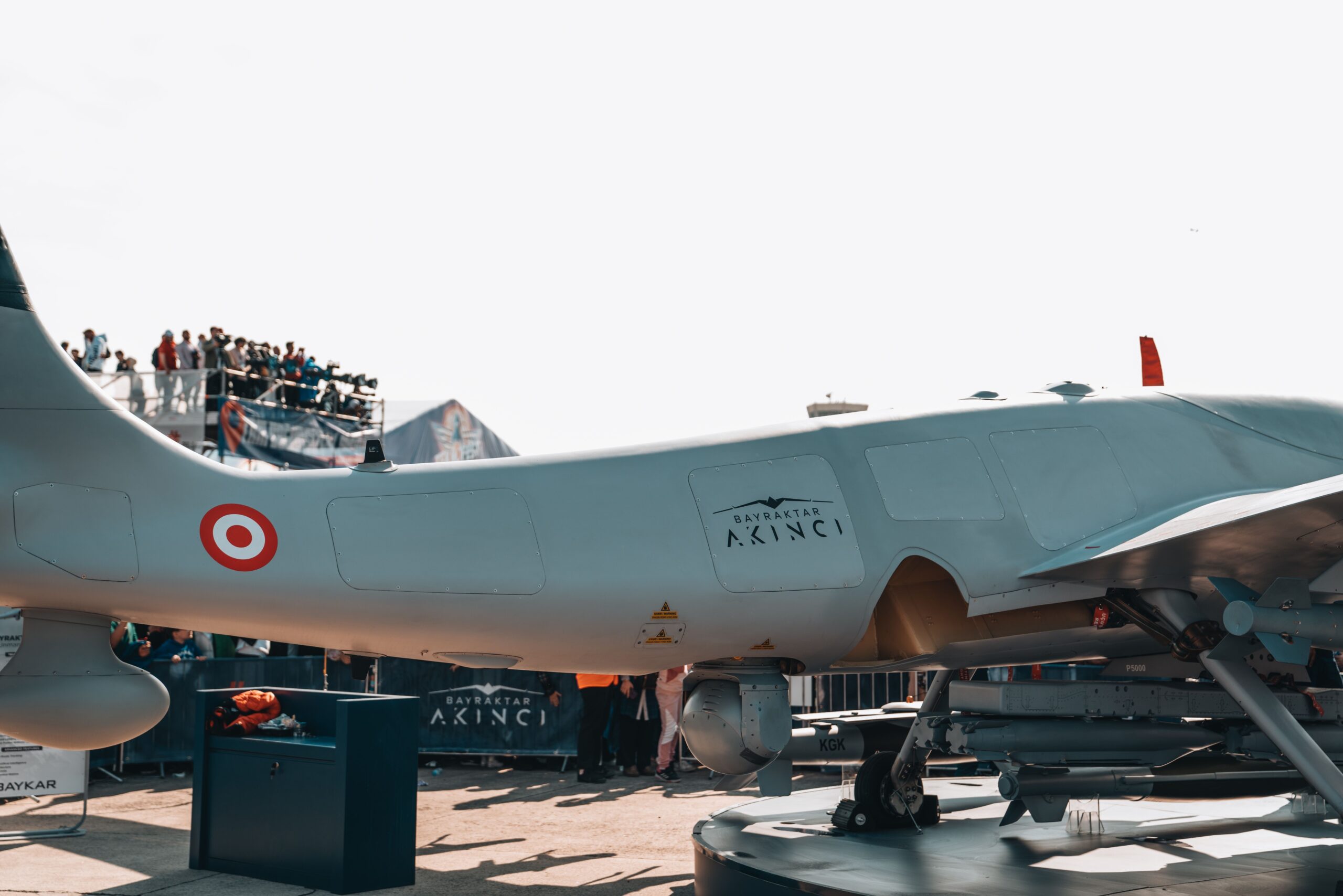
Domestically, the issue has also resonated within the political coalition governing Italy. The League, a right-populist party that is part of Meloni’s current ruling coalition, has declared that Ukraine’s conduct of operations in Libya without prior consultation with Western allies, particularly Italy, is unacceptable. This internal political pressure reinforces the government’s public posture, indicating that the warning is not merely a diplomatic formality but a reflection of broader consensus among key Italian political actors regarding the management of the conflict’s spillover effects.
However, Meloni was careful to distinguish between her concerns about the location and nature of the strikes and Italy’s overall commitment to Ukraine. When asked about a potential link between the incident in Libya and the resources Italy provides to Kyiv, she stated, “I would not link the issue of resources for Ukraine with those attacks.” She reaffirmed that Italy must continue to “do everything to help Ukraine defend itself.” This dual-track approach—expressing firm concern over the Mediterranean expansion while maintaining support for Ukraine’s defense—illustrates the complex balancing act faced by European leaders. Meloni added that Italy must also protect its own borders and citizens, a point she intends to communicate “very clearly” to President Volodymyr Zelensky.
The reaction from other European capitals has not been uniform, highlighting divergent interpretations of international law and strategic necessity. In contrast to Italy’s cautionary tone, French Foreign Minister Jean-Noel Barro has characterized the Ukrainian strikes on the two Russian ships in Libyan waters as the realization of Ukraine’s “absolute right to self-defense.” This divergence in language between Rome and Paris suggests that while the alliance remains united in its support for Ukraine, there are differing views on the operational parameters and the legal justifications for strikes conducted far from Ukrainian territory.
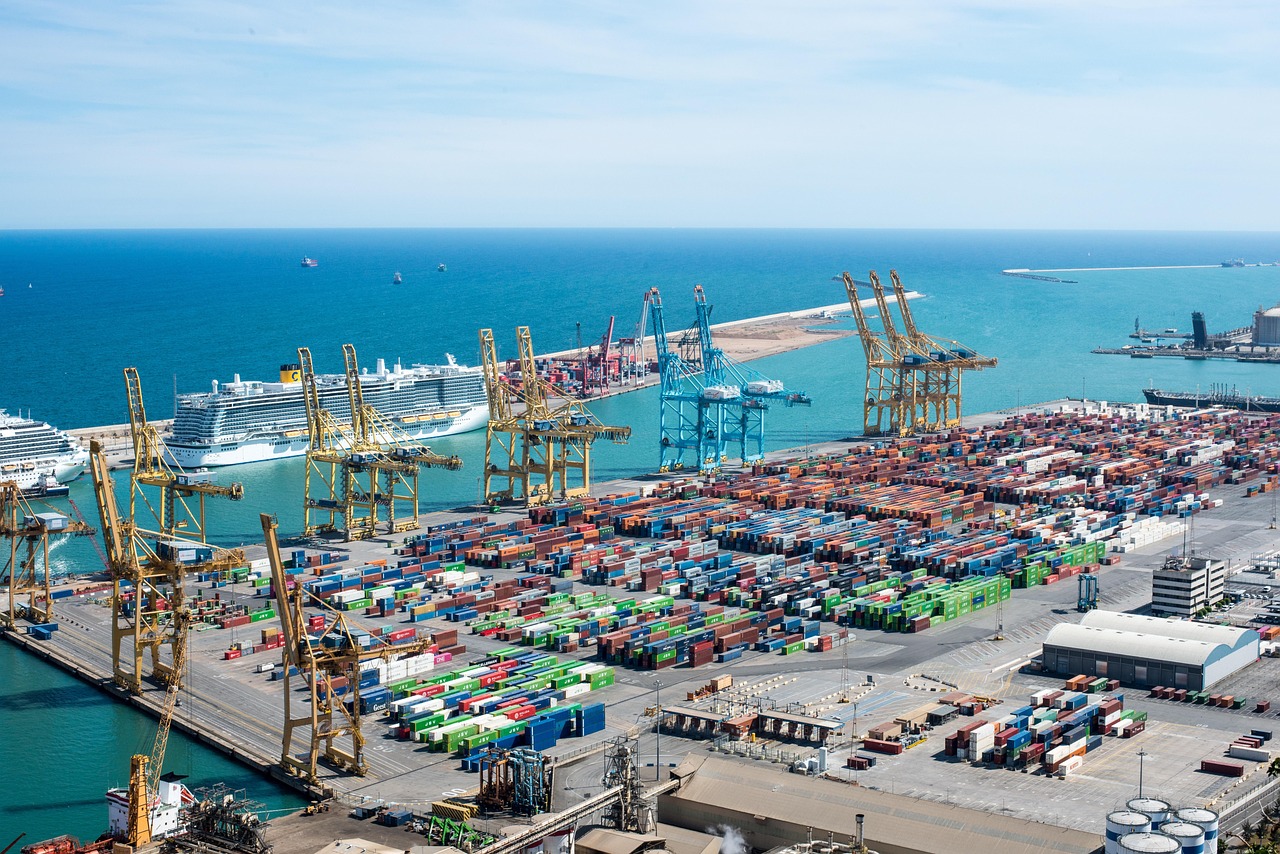
The significance of these events lies in the potential for the war to geographically expand. The Mediterranean Sea is a critical waterway for European security, trade, and military logistics. The presence of Russian naval assets in Libyan waters, and their subsequent targeting by Ukrainian drones, signals that the conflict is no longer confined to the Eastern European theater. For Italy, which shares a maritime border with Libya and has a long history of engagement in the region, this development poses direct security implications. The incident forces a re-evaluation of how Ukraine’s defense capabilities are being deployed and how Western partners perceive the risks associated with such deployments.
As the diplomatic channels remain open, the focus now shifts to how Ukraine and its partners will navigate these sensitivities. Meloni’s insistence on clarity in dialogue with Kyiv suggests that future discussions will likely include specific protocols or expectations regarding operations in third-party territories. The unresolved tension between the right to self-defense and the desire to contain the conflict geographically remains the central challenge for European diplomacy. While the immediate military outcome of the Benghazi strikes is established, the political and strategic ramifications continue to unfold, with Italy taking a prominent role in advocating for a containment strategy that prevents the war from spreading across the Mediterranean.