
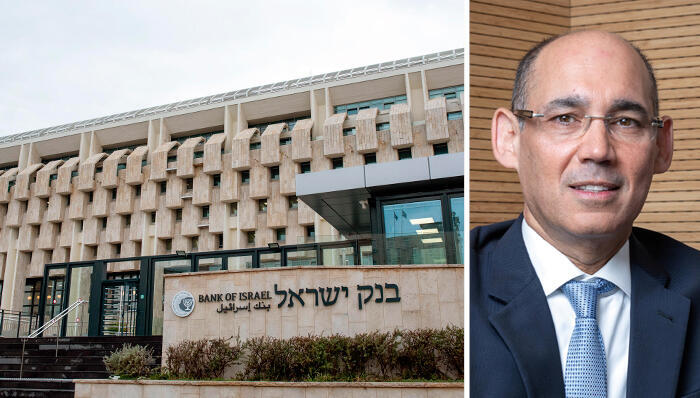
The shekel has experienced a sharp reversal in performance, flipping from its best-performing currency to its worst over a recent period. This volatility has occurred after a strong run for the currency, placing it at a crossroads for traders and policymakers. The shift in momentum has eased immediate pressure on the central bank to intervene aggressively to support the currency, as the initial rapid appreciation has moderated.
The specific timing and size of the $801 million purchase remain a point of analysis for market participants. The fact that the operation was not disclosed until weeks after execution has added a layer of mystery to the central bank’s actions. Investors are examining whether this purchase was a preemptive measure to manage volatility or a response to specific market conditions that were not immediately apparent to the public.

This development highlights the complex nature of currency management in a volatile market environment. The shekel’s recent trajectory has been influenced by broader economic factors and domestic policy considerations, but the explicit central bank action provides a concrete data point for analysts. The market’s reaction to the disclosure underscores the sensitivity of foreign exchange rates to official sector interventions, particularly when transparency is delayed.
Traders and institutional investors are now assessing the implications of this $801 million move for future shekel stability. The episode serves as a reminder of the central bank’s capacity to influence currency values through direct market operations. As the shekel navigates its current position, the focus remains on how the Bank of Israel will communicate and execute future interventions to maintain monetary stability.

No immediate follow-up data releases or policy meetings were specified in the available sources regarding the next steps for the shekel. The market awaits further clarity on the central bank’s stance as it manages the currency’s transition from its recent extremes.