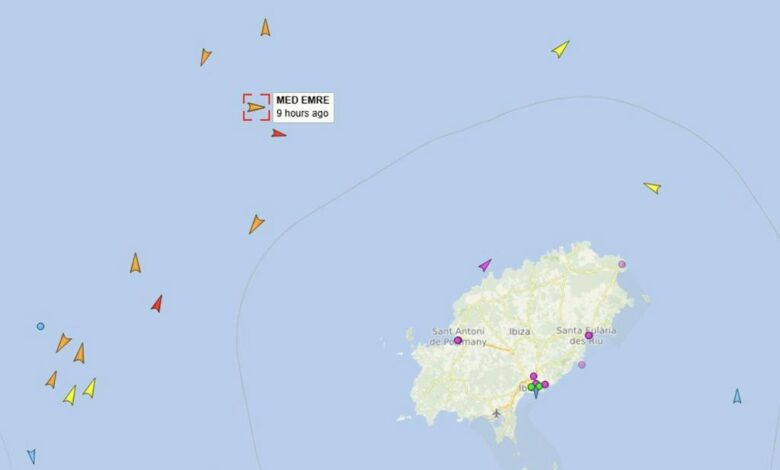
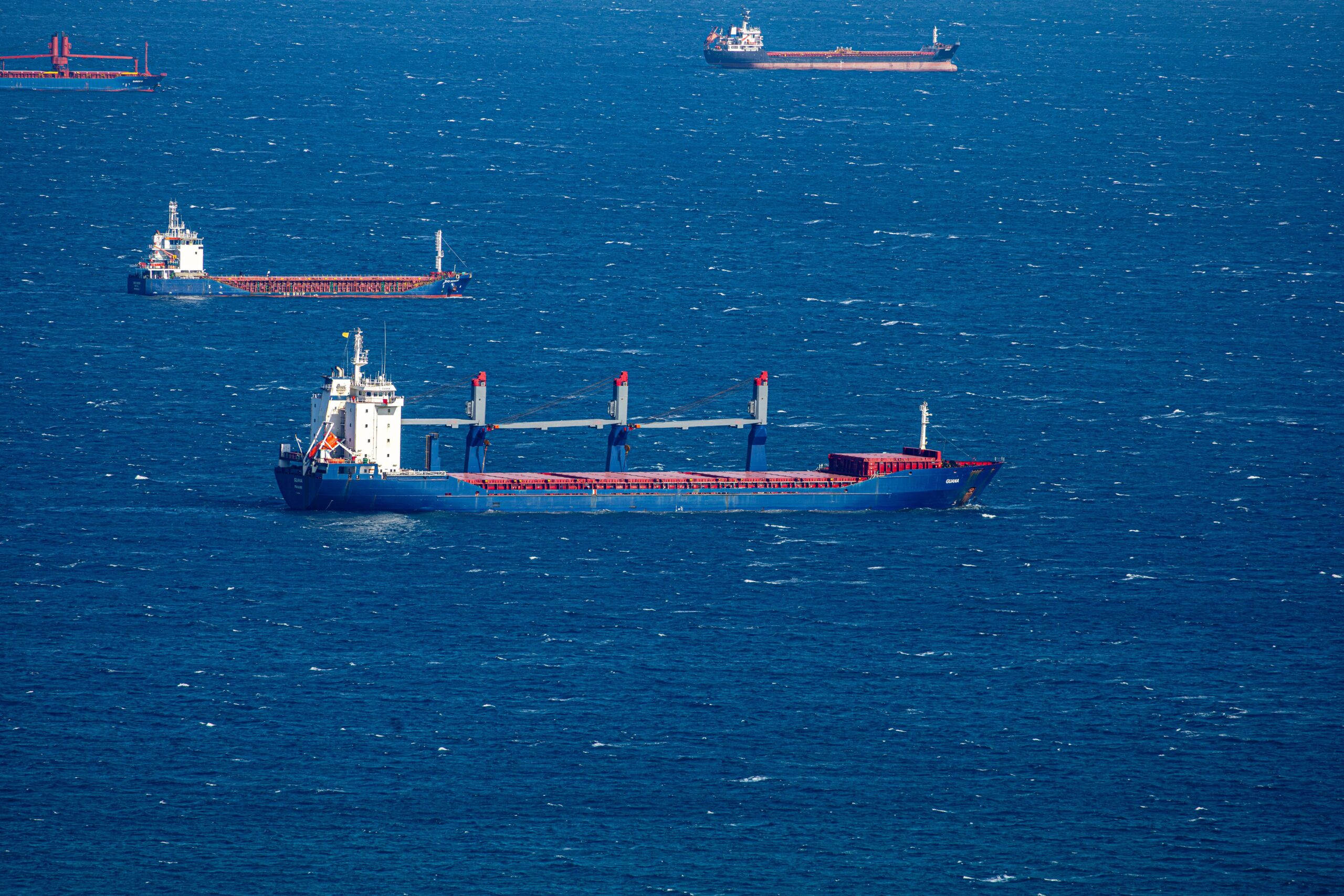
The accident occurred under a yellow storm warning, the lowest of three active alert levels, with wind force 5 and rough seas. According to the Association of German Shipowners, such conditions would not normally pose a danger to a modern ship of this size, leading to ongoing investigations into why enough water entered the hull to cause such a severe list. The Med Emre, built in Turkey and put into service in 2019, is considered a smaller tanker in the international merchant fleet, with a deadweight tonnage of just over 8,000 metric tons. All 17 crew members, who were of Turkish and Indian nationality, were rescued. While one died after being transported to Can Misses hospital in Ibiza, six others were treated for light injuries, primarily hypothermia, at local hospitals, and five were taken to Valencia.
The primary concern now shifts from the immediate rescue to the environmental integrity of the Balearic Islands. Pablo Gárriz, the Balearic Islands government’s Director General for Emergencies, stated that no significant pollution has been detected in the Mediterranean Sea around the stricken vessel, although small oil sheens have been observed. Spain’s merchant marine authority has activated the national maritime pollution contingency plan at level 2, the second-highest tier, and dispatched the Clara Campoamor, a specialized vessel designed to investigate potential pollution, to the site. Technical experts are currently assessing the stability of the hull to determine the feasibility and safety of cargo recovery operations.
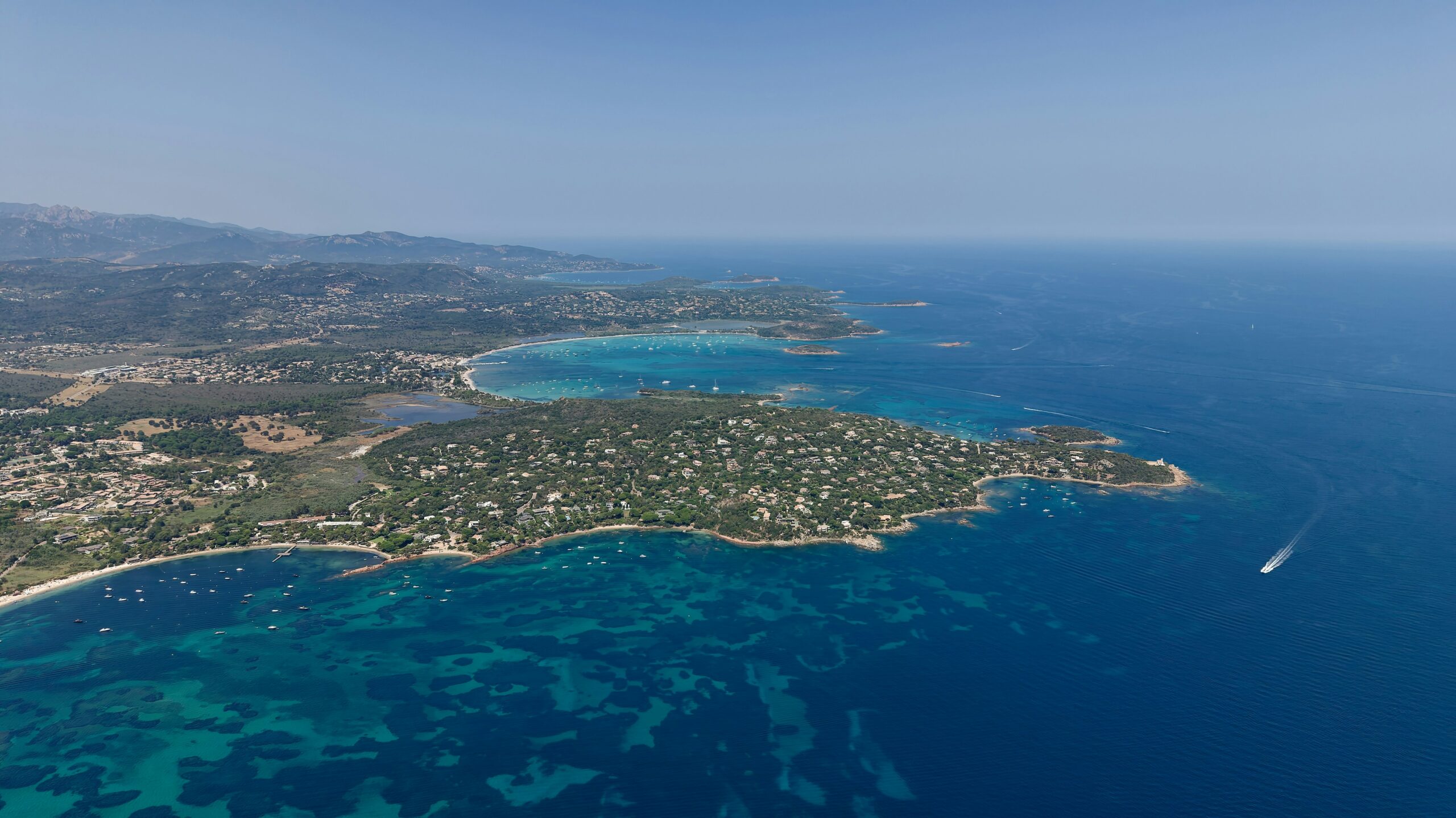
The ecological stakes are high. The waters surrounding Ibiza are a designated habitat for sea turtles, dolphins, and the Balearic shearwater, one of Europe’s most threatened seabirds. The area is also home to extensive meadows of Posidonia oceanica, a seagrass species that plays a vital role in supporting marine biodiversity. Nina Noelle, a spokesperson for Greenpeace and an expert on international crisis response, highlighted the specific risks posed by diesel. Although diesel evaporates quickly, its toxic components can enter the water column and harm marine life. “A major spill of about 7,000 metric tons of diesel off the coast of Ibiza would pose a significant threat to the sensitive marine ecosystems of the Balearic Islands,” Noelle explained. She noted that if small organisms at the base of the food chain are affected, the consequences could ripple through the food web, impacting larger species.
Potential impacts extend to protected areas, including the Ibiza Channel, where coral and sponge communities reside, and the migration corridors for sperm whales and fin whales. These species are protected, and any contamination in these corridors would require rigorous investigation. The incident echoes the region’s worst maritime environmental disaster, which occurred in 2002 when the Prestige sank off the coast of Galicia, spilling tens of thousands of tons of heavy fuel oil and fouling hundreds of beaches in Spain and France. However, the Med Emre is subject to strict international safety and environmental protection regulations regarding construction, technical equipment, operation, and crew qualifications, which may influence the outcome of the salvage efforts.
While the immediate threat of a massive spill appears contained by the vessel’s buoyant position, uncertainty remains regarding the long-term stability of the hull. The Balearic regional government is gathering information on the accident’s consequences to decide on further measures. As salvage teams work to assess the situation, the focus remains on preventing the diesel cargo from entering the sensitive habitats that define Ibiza’s marine environment. The next verified step involves the completion of the stability assessment, which will dictate whether the cargo can be safely recovered or if further containment measures are required to protect the surrounding waters.