Authorities initially reported the ship had sunk, but Spanish government sources clarified on Thursday that the vessel is “lying keel up” and partially submerged, rather than fully submerged. Regional emergencies director Pablo Gárriz noted this condition is favorable for recovery operations, moving the scenario from a potential 1,000-meter depth to a surface-level operation. The cause of the incident remains unclear, and the nationalities of the crew have not been disclosed. The Med Emre, built in Turkey in 2019, was en route from Algeciras to Barcelona when it issued a distress call at 22:30 local time, reporting a leak and a 90-degree lean.
Spain’s merchant marine authority has activated the national maritime pollution contingency plan at Level 2, the second-highest tier. Maritime security expert Emilio Rodriguez Diaz noted the ship features a double hull designed to act as a buffer, preventing cargo release in the event of a leak or collision. As of Thursday morning, the maritime rescue vessel Guardamar Talia reported no wreckage, floating debris, or signs of pollution at the site. However, the pollution control vessel Clara Campoamor and an aircraft from Spain’s national maritime rescue service are surveying the area. Prime Minister Pedro Sanchez stated the government is “closely following” the situation, and Civil Protection has requested satellite imagery from the EU’s Copernicus system.
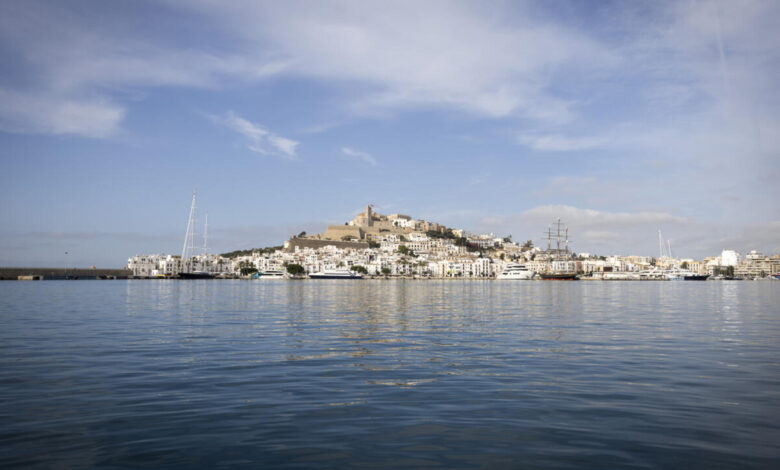
The ecological stakes are high, as the waters around Ibiza are designated a UNESCO World Heritage Site and part of the EU’s Natura 2000 network. The area supports dense meadows of Posidonia oceanica seagrass, which is unique to the Mediterranean and vital for marine biodiversity. It is also a habitat for sea turtles, dolphins, and the Balearic shearwater, a critically endangered seabird. SEOBirdLife warned that fuel contact could damage the birds’ plumage insulation, leading to hypothermia. Any pollution would also threaten local tourism and fishing industries.
Authorities are continuing to assess the risk of fuel pollution before deciding on further measures. The incident recalls the 2002 Prestige disaster off Galicia, which spilled over 60,000 tonnes of heavy fuel oil, marking it as one of Spain’s worst environmental catastrophes. Monitoring operations are ongoing to determine if any diesel has entered the water.