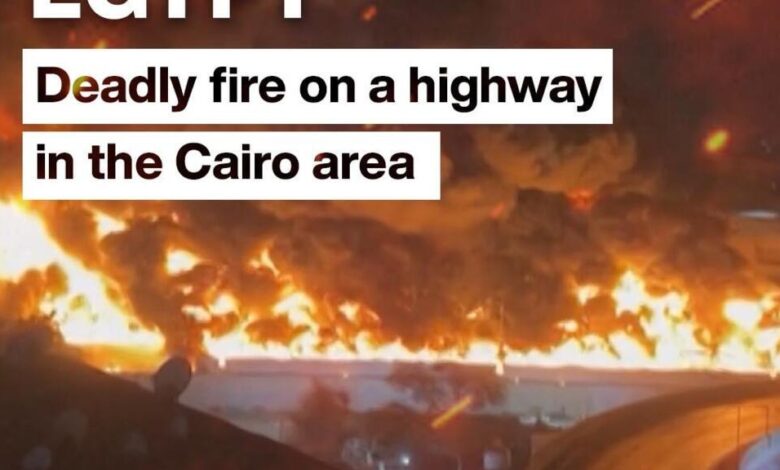
The immediate human toll was severe. Egypt’s Ministry of Health dispatched 39 ambulances to the scene to transport the injured to nearby hospitals. The public prosecutor’s office confirmed the arrest of the suspected driver on Thursday and ordered DNA samples from the victims to assist in identification. While the Ministry of Health stated it would continue to monitor the situation, the scale of the disaster has overshadowed routine operational responses, highlighting the catastrophic potential of fuel transport accidents in urban environments.
This tragedy is not an isolated anomaly but the culmination of a long-standing crisis in Egyptian road safety. According to the Central Agency for Public Mobilization and Statistics (CAPMAS), Egypt recorded 44,940 road deaths and 476,126 injuries between 2019 and 2025. In the most recent year of data available, the agency logged more than 5,800 road deaths and 84,000 injuries. The demographics of these victims reveal a specific pattern of vulnerability: pedestrians accounted for more than one-third of those killed, while children under the age of 15 made up 1,580 of the deaths and 29,101 of the injuries. These figures suggest that the lack of protective infrastructure disproportionately harms the most vulnerable members of society.
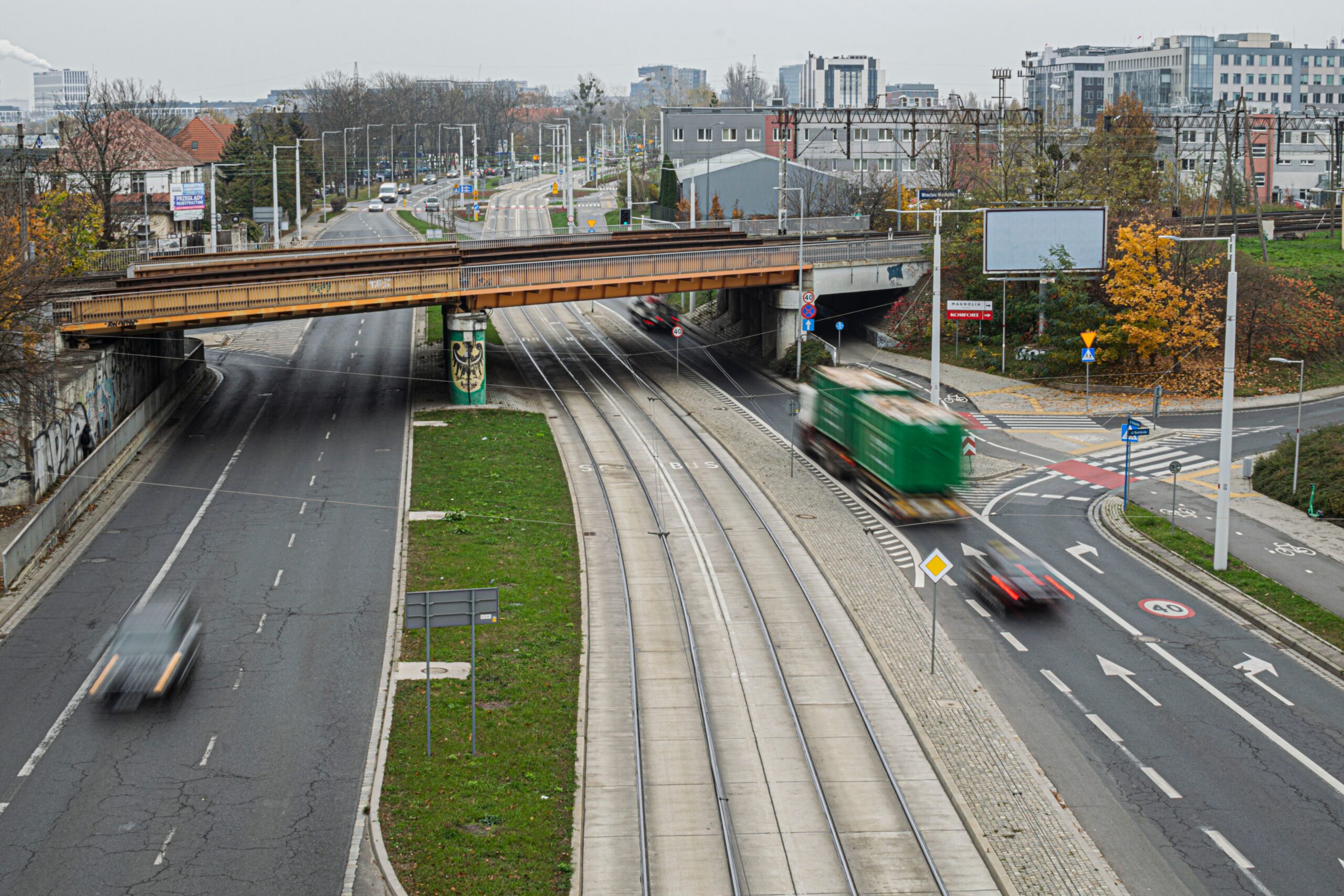
The structural causes of these accidents have been documented by international bodies. A 2020 World Bank report identified critical deficiencies in Cairo’s urban planning, noting that 97 percent of the city’s streets lack traffic lights and 78 percent have no clear pedestrian footpaths. Such gaps in infrastructure create high-risk environments where vehicles and pedestrians share space without adequate separation or signal control. The Giza explosion, occurring on a ring road in a working-class district, underscores how these systemic failures persist even in areas with heavy traffic volume.
The issue extends beyond roads to the railway network, which has also seen a rise in incidents. In 2025, there were 170 recorded train incidents resulting in 44 deaths and 215 injuries. Earlier this month, a separate tragedy in Giza saw at least seven people killed and more than 125 injured when a train backed into another. This recurrence of fatal accidents across both road and rail sectors has intensified political pressure on the government to explain its management of transport safety.

The debate is particularly sharp given the significant financial resources allocated to the sector. Egypt’s Ministry of Transport announced that approximately $37 billion was spent on transport investment between 2014 and 2024. Despite this substantial expenditure, the continued frequency of deadly accidents has led to accusations that funds are not being effectively directed toward safety improvements. Political figures have called for greater scrutiny of how this money was deployed. Irene Saeed, leader of the centrist Reform and Development Party’s parliamentary bloc, has demanded full financial transparency regarding the Ministry’s spending and loans. Similarly, Abdel Moneim Imam, a member of the Egyptian Parliament and leader of the Justice Party, criticized the government’s response, stating that “the continued turning of a blind eye to the shortcomings and the recurrence of accidents without genuine accountability leads to the continuation of the crisis.”
While the current investigation focuses on the specific mechanical and human factors behind the Giza explosion, the broader context indicates a need for systemic reform. The distinction between individual driver error and infrastructure failure is blurred in a system where 97 percent of streets lack basic traffic controls. As the investigation proceeds, the focus will likely shift from the immediate cause of the explosion to the regulatory and infrastructural frameworks that allowed such a hazardous scenario to unfold in a densely populated urban center. The next critical step will be whether the promised inquiries lead to enforceable safety standards and transparent accountability, rather than further cycles of tragedy without structural change.