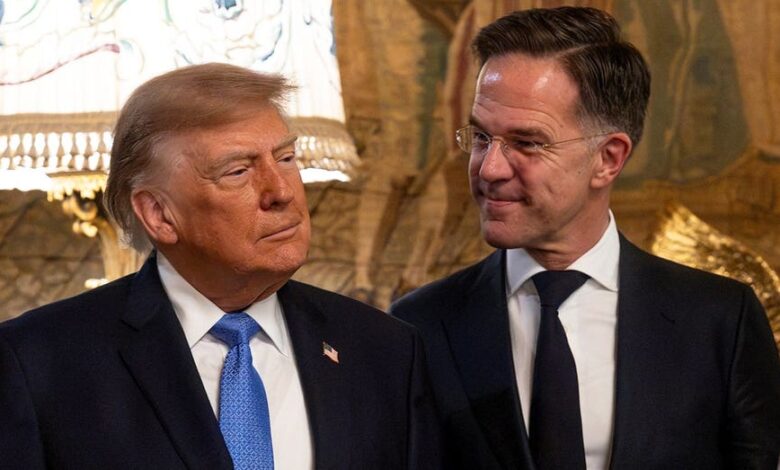
The central message of the Mar-a-Lago summit was a direct appeal to Russia to avoid any moves, whether intentional or unintentional, that would expand the war. In their joint declaration, Trump and Rutte emphasized the necessity of obtaining a peaceful resolution as rapidly as possible. This diplomatic effort comes at a critical juncture, with the leaders noting that the war between Russia and Ukraine, along with the conflict in Iran, were the primary subjects of their discussion. They also referenced the “record setting achievements” made at previous summits in the Hague and Ankara, framing the current talks as a continuation of a broader strategic alignment.
The diplomatic push for de-escalation occurs against a backdrop of escalating rhetoric from the Kremlin. On Thursday, Russian officials accused Ukraine of attempting to widen the geographical scope of the conflict. Kremlin spokesman Dmitry Peskov characterized recent Ukrainian actions as “terrorist activity” and “potentially very dangerous actions on the part of the Kyiv regime.” Specifically, Moscow pointed to the sinking of a Russian warship in Libya using drones and an attack on a Russian military-linked cargo ship in the Gulf of Finland over the weekend. Peskov warned that these incidents could cause concern among coastal states and the North Atlantic Treaty Organization as a whole, arguing that nobody would want the conflict to spread geographically.
These accusations highlight a significant divergence in how the two sides perceive escalation. For the Kremlin, the definition of “expanding the war” includes Ukrainian drone strikes on Russian assets far from the front lines, such as in the Mediterranean and the Baltic Sea. For NATO and the United States, the focus remains on Russian incursions into Ukrainian sovereign territory and attacks on civilian infrastructure, as evidenced by the overnight missile strikes on Kyiv. The joint statement from Mar-a-Lago attempts to bridge this gap by setting a baseline: Russia must refrain from actions that broaden the conflict, while the West continues to pressure for a rapid diplomatic end to the hostilities.
Beyond the immediate military situation, the meeting addressed the structural underpinnings of Western security. Trump and Rutte discussed the importance of continuing to expand defense spending and investment in the industrial base, both in the United States and across NATO. This economic dimension is crucial for sustaining the alliance’s capabilities in a prolonged conflict. Rutte’s subsequent post on X reinforced this strategic pivot, stating, “It’s clearer than ever that American leadership remains essential as we build a stronger Europe in a stronger NATO.” This assertion underscores the dependency of European security architecture on American support, particularly as defense budgets and industrial production ramp up.
The timing of the statement, issued on the eve of Thanksgiving, carries symbolic weight. It signals a commitment to the alliance’s cohesion despite the holiday period, but it is also a direct response to the ongoing violence. The Russian Defense Ministry claimed that its overnight strikes hit two sites linked to the production of drones, a target set that reflects the technological dimension of the war. Meanwhile, independent reporting has noted that the human cost of the conflict continues to rise, with reports indicating that the death toll in Russia’s war has reportedly topped 700,000 as the country scrambles for recruits.
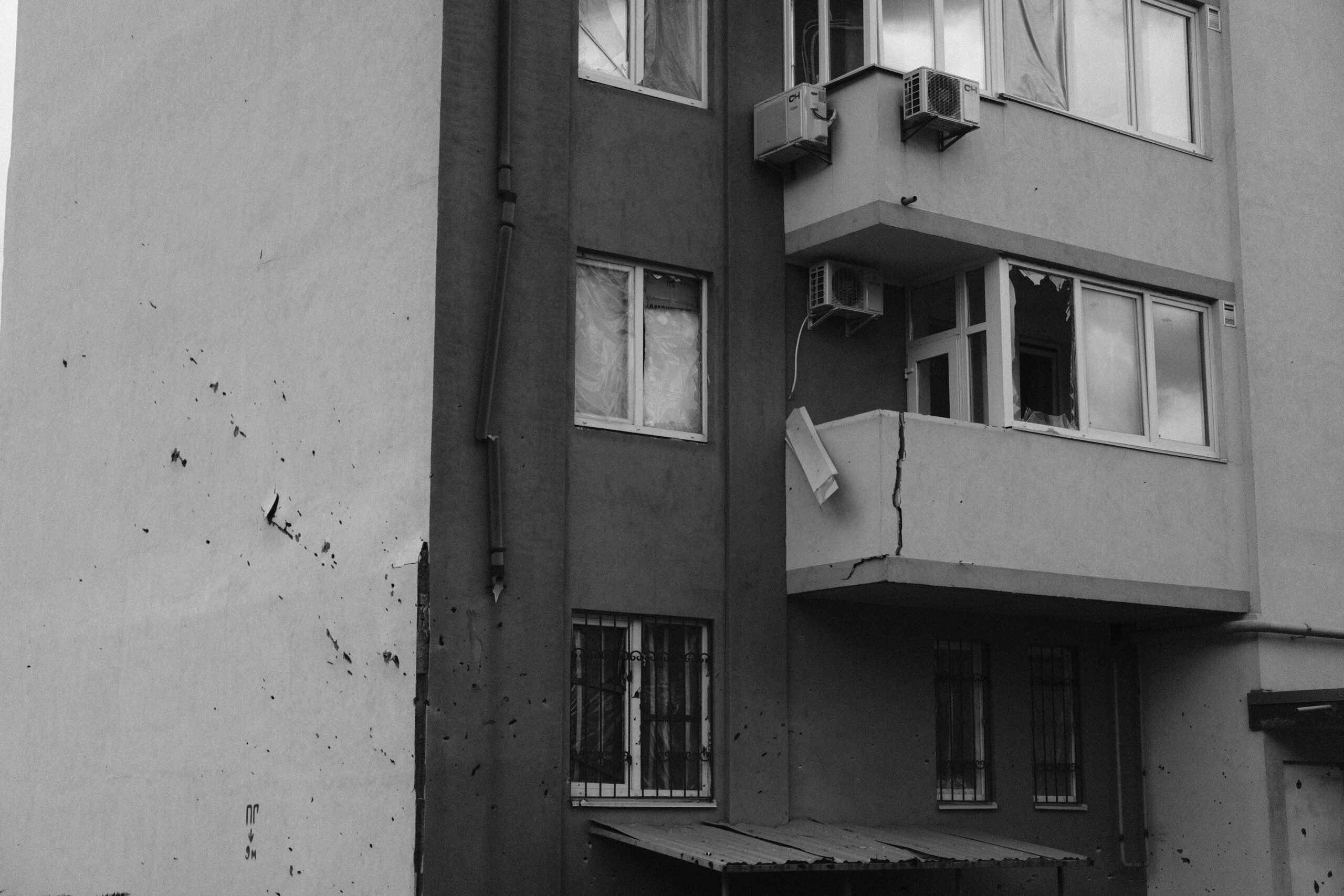
The interaction between diplomatic statements and military actions remains tense. While Trump and Rutte called for restraint, the physical reality on the ground did not pause for the summit. The strikes on Kyiv, which injured civilians and damaged commercial infrastructure, serve as a stark reminder of the stakes involved in the negotiations. The Kremlin’s insistence that Ukraine is the escalator, citing attacks in distant waters, contrasts with the Western focus on Russia’s direct attacks on Ukrainian cities. This narrative conflict complicates the path toward the “peaceful resolution” both leaders deemed essential.

The meeting in Florida thus serves as a checkpoint in a complex geopolitical maneuvering process. It reaffirms the transatlantic partnership and sets explicit red lines for Russia regarding the geographic expansion of the conflict. However, the immediate aftermath of the meeting was marked by further Russian missile strikes, suggesting that diplomatic declarations alone are insufficient to halt the kinetic operations. The focus now shifts to whether the stated commitments to expanded defense spending and industrial investment will translate into tangible strategic leverage, and whether the accused “geographic expansion” by Ukraine and the “territorial expansion” by Russia can be contained within existing diplomatic frameworks.
As the holiday season approaches, the unresolved tension between the rhetoric of de-escalation and the reality of daily bombardment remains the central feature of the crisis. The leaders’ call for Russia to avoid expanding the war is a clear directive, but its enforcement relies on the continued cohesion of the alliance and the sustained pressure on Moscow. The next developments will likely test the durability of the “record setting achievements” cited in the Hague and Ankara, as the parties involved continue to navigate a conflict that shows no immediate signs of de-escalating in the short term.