
The operation involved the disposal of DLA, a highly sensitive primary explosive that becomes unstable over time, particularly when exposed to moisture or specific environmental conditions. The term “degraded” refers to the chemical breakdown of the compound, which increases its shock and friction sensitivity, making it significantly more dangerous to handle than its stable counterpart. The decision to detonate the stockpile rather than attempt remediation or long-term storage suggests that the material had reached a point where safe handling was no longer viable or cost-effective.
In a post on Truth Social early Thursday, President Trump addressed the event, praising the execution of the detonation. However, the announcement was accompanied by partisan rhetoric, with the President taking “swipes” at former President Obama and CNN. By attributing responsibility for the situation to the previous administration, the current leadership has framed the incident not merely as a hazardous materials management task, but as a legacy issue requiring resolution. This political framing, however, has obscured the technical underpinnings of the event, specifically the mechanisms by which such a volume of unstable explosive material came to exist in the first place.
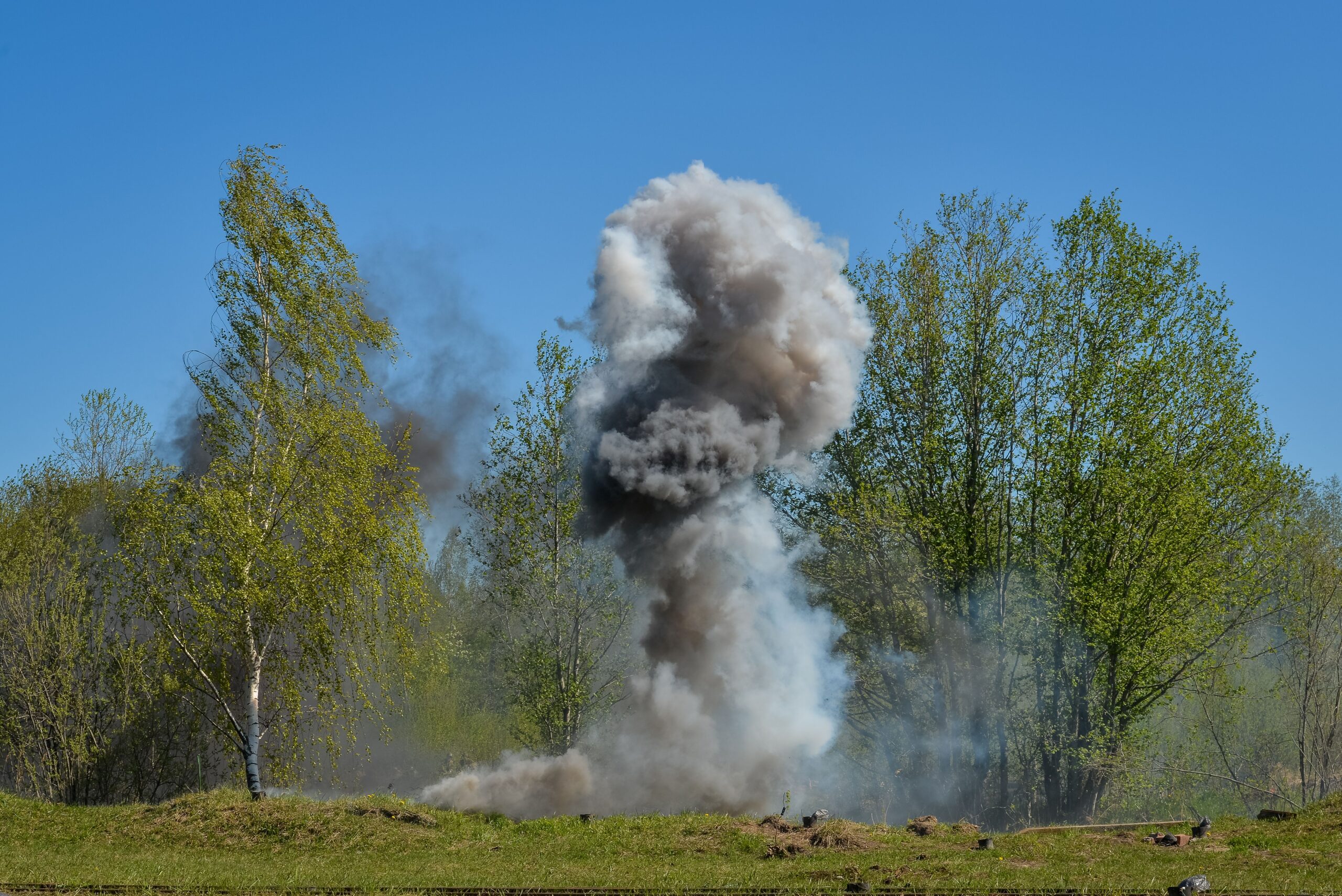
The central unresolved question surrounding the Iowa detonation is the accumulation process. The source material notes that the move has “raised questions around how the explosive material accumulated to that degree.” In military and industrial contexts, the presence of large quantities of degraded energetic materials typically indicates long-term storage issues, supply chain irregularities, or a failure in routine inspection and disposal protocols. While the detonation itself is a tactical or operational-level event—a specific action to remove a hazard—the implications are strategic and systemic. It highlights potential vulnerabilities in the management of legacy munitions and hazardous materials across the defense industrial base.
From a defense and security perspective, the distinction between the confirmed event (the detonation) and the unverified or unclear context (the cause of accumulation) is critical. The government has confirmed the removal of the hazard, but it has not provided a detailed public account of the historical timeline of the DLA’s storage, the specific unit or facility responsible for its initial acquisition, or the reasons for its delayed disposal. Until these details are clarified, the incident remains a case of successful crisis management with opaque root causes.
The political commentary from the White House underscores the sensitivity of such operations to public perception. By labeling the detonation as “perfect,” the administration aimed to project competence and decisiveness. Conversely, by blaming the former administration, the narrative shifts away from current operational security procedures. This dichotomy complicates the objective assessment of the event. Without independent verification or a detailed declassified report on the material’s history, the public debate remains focused on political accountability rather than technical safety standards.
The significance of this development extends beyond the single site in Iowa. It serves as a reminder that the management of aged energetic materials remains a persistent challenge for national security agencies. The successful detonation is a necessary operational step, but the broader inquiry into how such materials are tracked, stored, and eventually disposed of is essential for maintaining the integrity of the defense logistics chain. As the political rhetoric subsides, attention will likely turn to any formal investigations or reports that address the accumulation of the DLA, providing a clearer picture of the systemic factors involved.