
The environmental significance of the detonation lies in the nature of the material involved. Lead azide is not merely an explosive; it is a heavy metal compound with no beneficial role in human physiology. According to Dr. Stephanie Widmer, a medical toxicologist and emergency medicine physician, dispersing such a substance into the atmosphere is not a trivial occurrence. “Lead has no beneficial role in human physiology,” Widmer stated. “In fact, lead in the human body can really mess with biology.” While trace amounts of heavy metals like lead are naturally present in soil and can be ingested through fresh produce, the detonation of what Widmer described as a “tremendous amount” of the toxic metal raises the risk of dangerous exposure for nearby communities.
Official responses have been swift but cautious. A Trump administration official reported that the detonation exceeded expectations by achieving maximum mitigation. The Environmental Protection Agency (EPA) emphasized its continuous presence, stating, “The EPA has been on the ground in Iowa BEFORE the controlled detonation, we will be here DURING the detonation, and we will be here for as long as necessary AFTER detonation to ensure communities are safe.” The agency predicted a brief increase in lead in the air above Middletown, and officials in both Iowa and Missouri issued warnings regarding potential exposure to toxic lead dust. Preliminary data from the EPA indicated that no levels of lead were detected in the air 30 minutes after the detonation. However, Widmer noted that the absence of immediate airborne detection does not rule out lingering impacts. “We know that lead is dangerous for humans, but we don’t know how much, or if any, lead they’re being exposed to,” she said. “It could be none. It could a ton.”

The primary concern for public health experts is the pathway of lead into the human body and the environment. Lead inhalation is cited as one of the most efficient ways the metal can enter the human system. Beyond the air, fallen particles can contaminate soil and water sources. “It can stay in soil, it could stay in water,” Widmer explained. This persistence is particularly concerning because lead can have negative effects on the human body without presenting immediate symptoms. Long-term buildup of lead in the body can be stored and slowly re-enter the bloodstream over time. At very high levels, lead can damage the kidneys and nervous system in both children and adults, leading to complications in the brain, seizures, neuropsychiatric symptoms, and unconsciousness. Children under the age of six are identified as the most susceptible demographic, as lead poisoning can severely impact the development of their bodies and brains.
The potential for environmental contamination extends to local agriculture and water systems. Iowa is a major agricultural hub, leading the nation in the production of corn, pigs, eggs, ethanol, and biodiesel, and ranking second in soybean production and cover crops. According to the Iowa Farm Bureau, these commodities end up in everyday household products, meaning that any contamination of the local soil or water could theoretically impact the broader food supply. Doug Seyb, an Iowa farmer, expressed concern to PBS that the detonation could impact his nearby farm. His worries included the safety of his cows out at pasture and local ponds that fill the farm’s water tank. The public fears that lead could eventually enter the food supply through crops grown in contaminated soil and livestock raised on contaminated water.
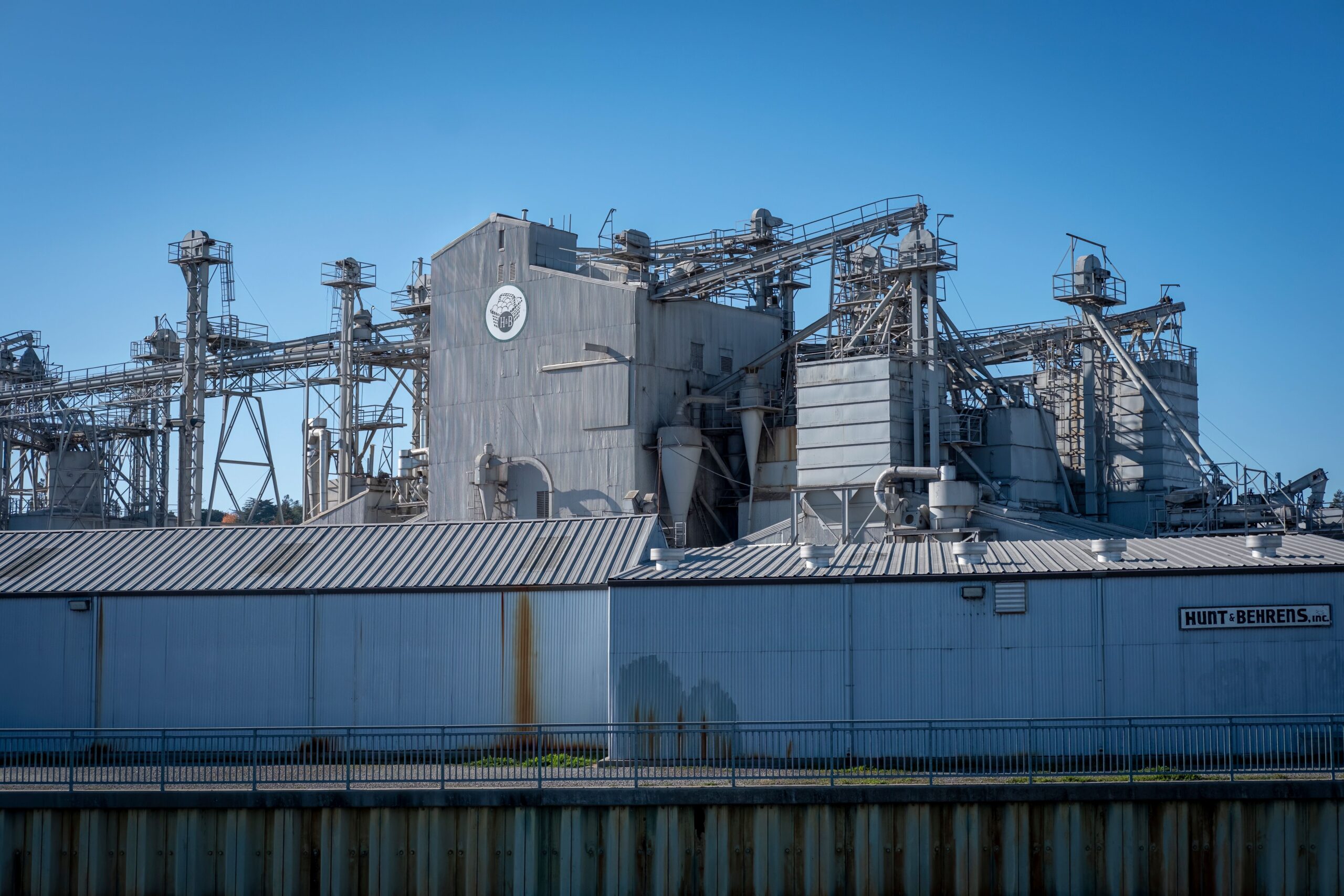
Despite the initial success of the detonation in mitigating an unstable explosive risk, the aftermath requires rigorous follow-up. Widmer advised that individuals who believe they have been exposed to lead, even without showing symptoms, should visit a healthcare provider for a blood test to check for exposure and lead levels. She emphasized that follow-up is key, as the absence of immediate symptoms does not guarantee safety. For those near the detonation site, the recommendation remains to shelter in place, keep windows closed, and utilize ventilation or air purifying systems until officials provide an all-clear.
The incident highlights the complex intersection of military necessity and public health safety. While the Army’s action was taken to prevent a potentially catastrophic uncontrolled explosion, the controlled release of toxic heavy metals introduces a different set of risks. The uncertainty remains regarding the total quantity of lead dispersed and its subsequent distribution in the environment. Until comprehensive testing confirms that soil, water, and air quality have returned to safe baselines, the community within the 20-mile radius remains in a state of precautionary vigilance. The next verified development will depend on the results of the EPA’s ongoing monitoring and the availability of blood test data for potentially exposed individuals.