
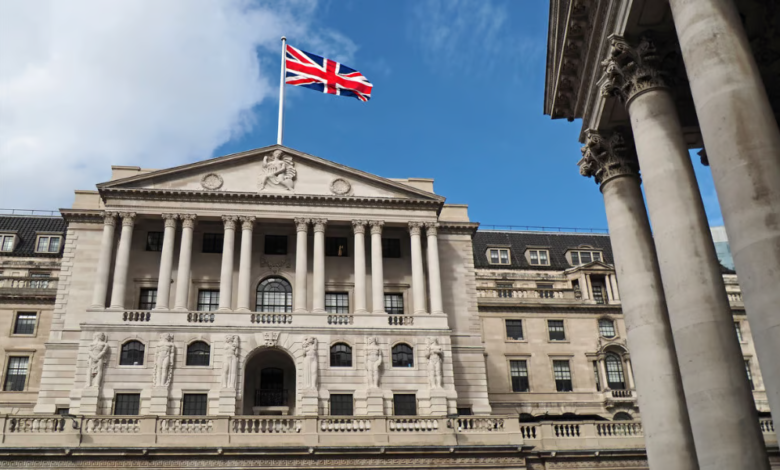
Despite the hike, Bank of England Governor Andrew Bailey offered a nuanced outlook during testimony before parliament’s Treasury Committee. Bailey stated that if recent energy price trends continue, the peak of inflation could be lower than initially projected. “If the current prices were to stay where they are, the peak of inflation mechanically could be lower,” Bailey said. This comment suggests that the severity of future tightening may be tempered, potentially offering relief to mortgage holders whose rates are influenced by Bank of England decisions and swap rates.
However, the Governor did not rule out further aggressive action, repeating the view that more rate increases are still likely. The initial rate rise comes amid growing inflation concerns spurred by the US-Iran war, which has spiked fuel costs and alerted global central banks. While the recent drop in fuel prices is viewed as a positive development, the BoE’s previous warning of inflation reaching 5% indicates that the Bank remains vigilant. Financial markets currently still anticipate a rate hike in December, and BoE officials have done little to distance themselves from that possibility.
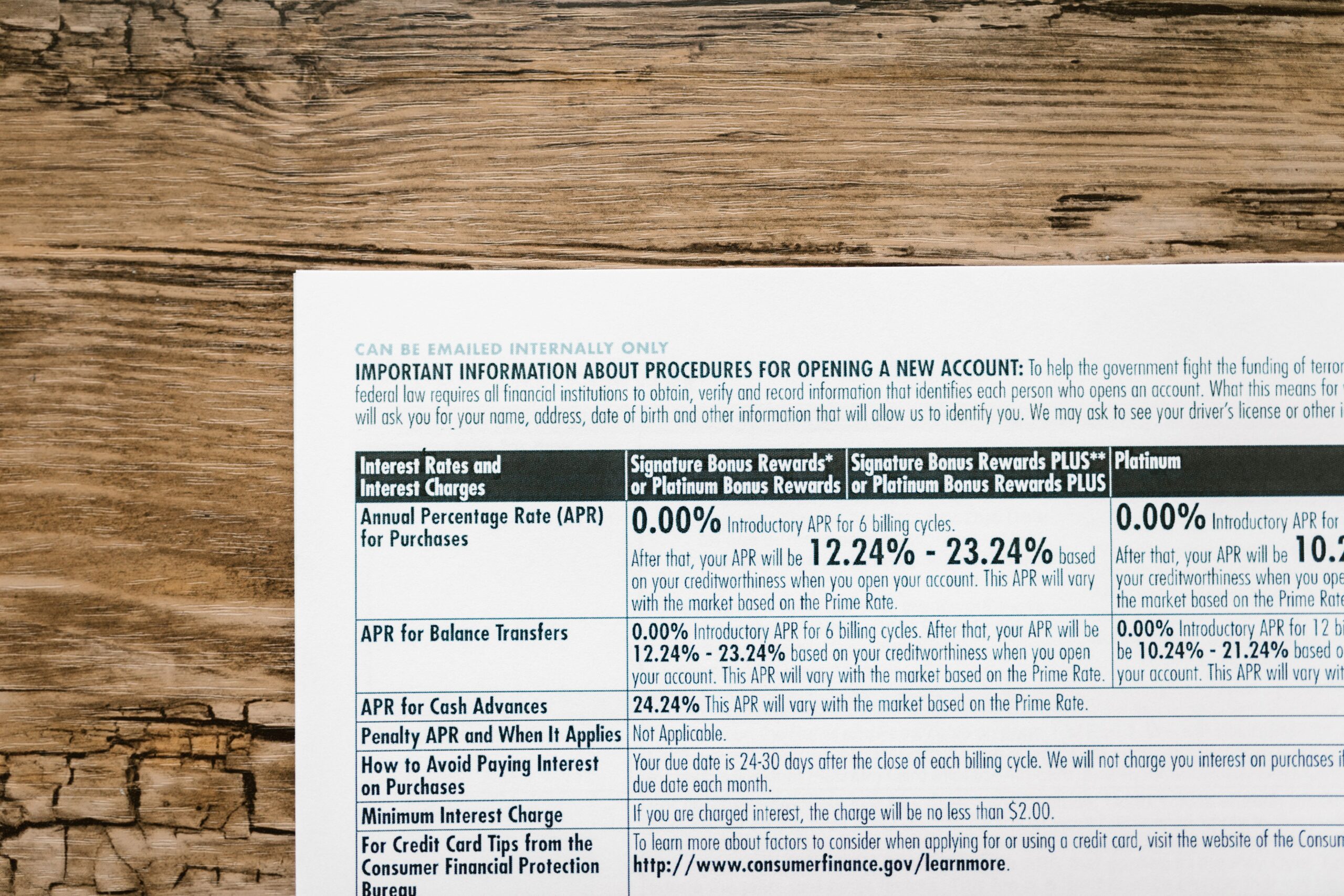
Several members of the Monetary Policy Committee (MPC) have signaled a preference for swift action. External MPC member Catherine Mann told the Treasury Committee that inflation expectations remain high, stating, “The optimal response is to hike rates more and sooner.” Deputy governor Clare Lombardelli suggested that tighter policy could be in store if inflation risks continue to build, while External MPC member Megan Greene described the Bank as being behind the curve. Chief economist Huw Pill has also called for rapid action on inflation.
The interplay between short-term rate decisions and longer-term market expectations has significant implications for fixed-rate pricing. Swap rates, which reflect market expectations of future Bank of England decisions, will adjust based on any signals that the pace of tightening may slow. If inflation peaks lower than the Bank’s 5% forecast, lenders may adjust their pricing strategies accordingly, though the immediate path remains one of continued vigilance and potential further hikes.

The next critical data point will be the upcoming inflation release, which will test Bailey’s hypothesis about the inflation peak. Investors and policymakers will closely monitor whether energy prices remain stable, as this will directly influence the MPC’s decision on whether to proceed with a December rate increase or pause to assess the impact of the current tightening cycle.