
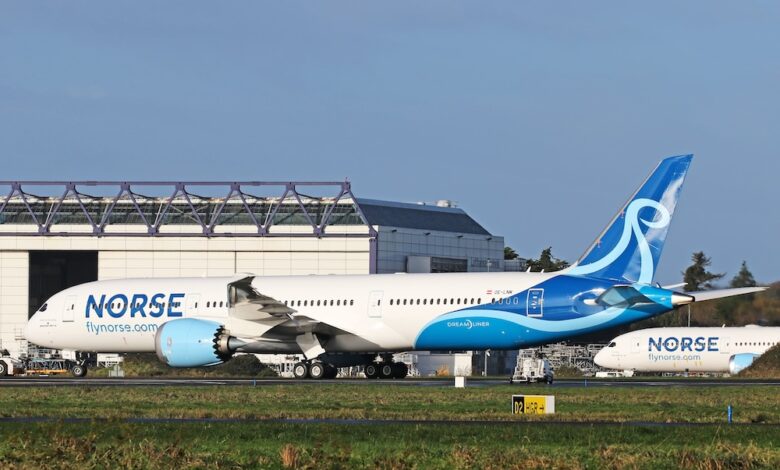
The suspension affects the airline’s entire operational schedule. In a statement, Norse said it is “continuing to consider options” to obtain the necessary capital. The company noted that it is in discussions with investors regarding a potential takeover that would include a financing solution. However, the airline explicitly stated there is “no assurance” that a viable solution will be found. If short-term financing is not secured urgently, the board’s intention is to file for bankruptcy.
The immediate trigger for the suspension appears linked to the collapse of its wet-lease arrangements. On 25 November, the same day the airline issued its warning about its critical financial state, it cancelled its wet-lease flights with Pakistan International Airlines (PIA). These cancellations occurred just weeks after PIA had stepped in to lease two of Norse’s aircraft, a deal that lasted only a couple of weeks before being interrupted by the current crisis.
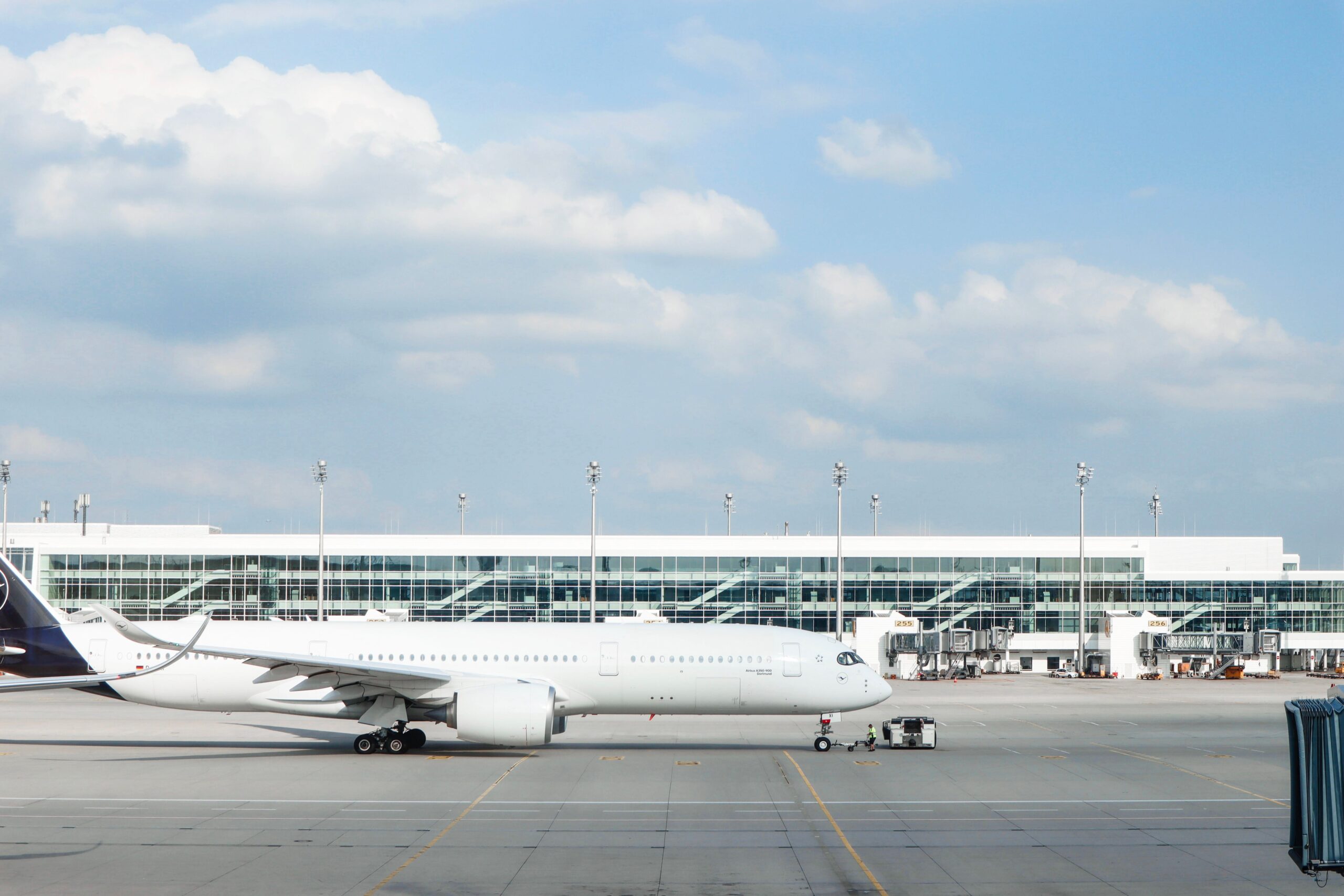
Norse Atlantic operates a fleet of 12 Boeing 787-9 Dreamliners. The airline emerged in early 2021, shortly after the budget carrier Norwegian abandoned its own Boeing 787 long-haul operation as part of an extensive restructuring. Norse positioned itself to capitalize on the post-pandemic recovery in long-haul travel, commencing its scheduled low-cost transatlantic services on the Oslo-New York route in June 2022.
While the carrier has achieved strong revenue growth and broadened its network beyond initial transatlantic services, it has struggled to overcome persistent losses. Although Norse turned in positive earnings over several short periods, it has never achieved full-year profitability. This financial instability led management to revamp its business strategy, allocating half of its 787 fleet to provide leased capacity for other carriers rather than solely operating scheduled services.
The pivot to wet-leasing was intended to stabilize cash flow, but the strategy has faced significant headwinds. The airline’s initial major agreement was with Indian carrier IndiGo, which leased six aircraft. However, this arrangement lasted only about 18 months, as geopolitical issues undermined IndiGo’s original business case, leading to the termination of the deal. The subsequent, much smaller agreement with PIA proved equally fragile, lasting only weeks before the current suspension.

The situation raises questions about the viability of Norse’s hybrid model of combining scheduled passenger services with capacity leasing in the current economic environment. The airline’s failure to secure a lifeline would result in the idling of its 12-aircraft fleet and the cessation of its long-haul routes, impacting passengers and the broader transatlantic and transcontinental low-cost market. The outcome of the ongoing investor discussions will determine whether Norse can obtain the short-term financing required to resume operations or if it will proceed to a bankruptcy filing.
For now, all flights are suspended. The board’s position is clear: without immediate financial intervention, the airline cannot continue operations. The next 24 to 48 hours are critical as investors weigh the risks and returns of a potential takeover or rescue package.